The 3D Printer of the Future: What Features Should We Expect?
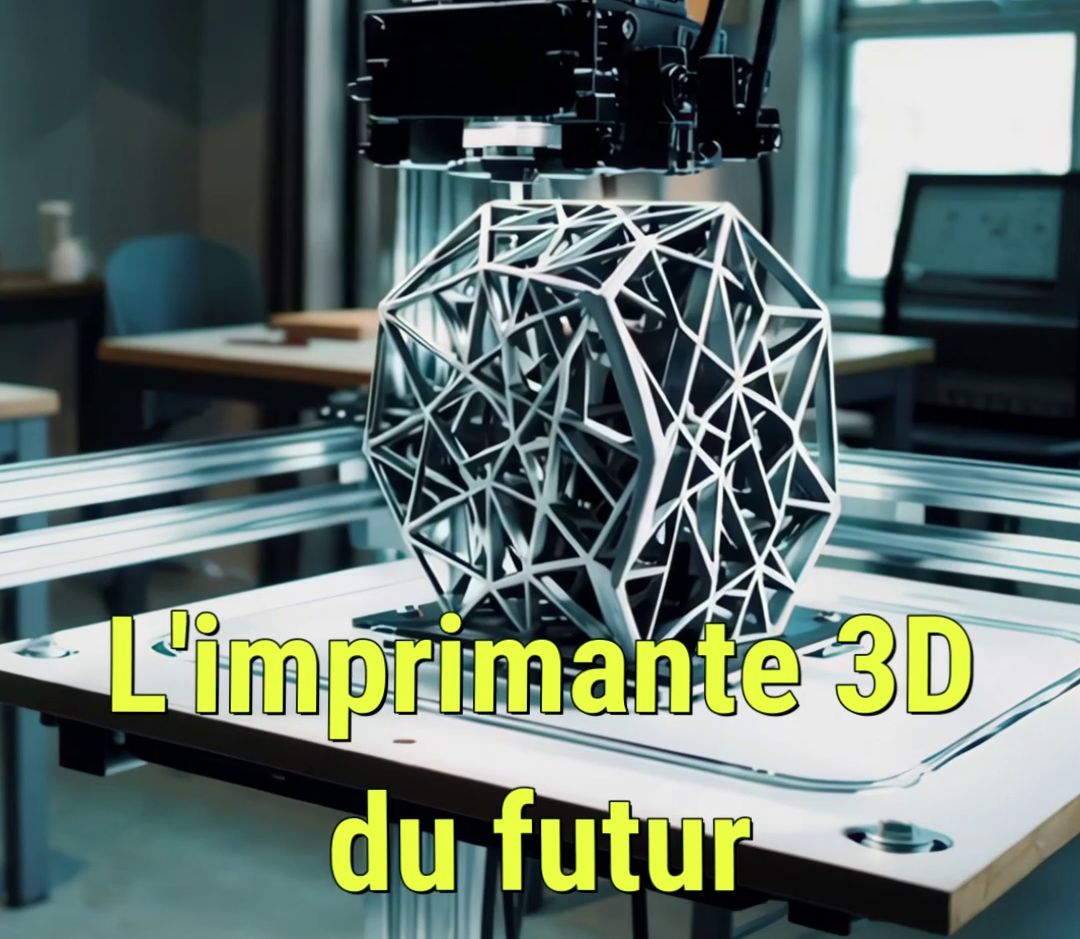
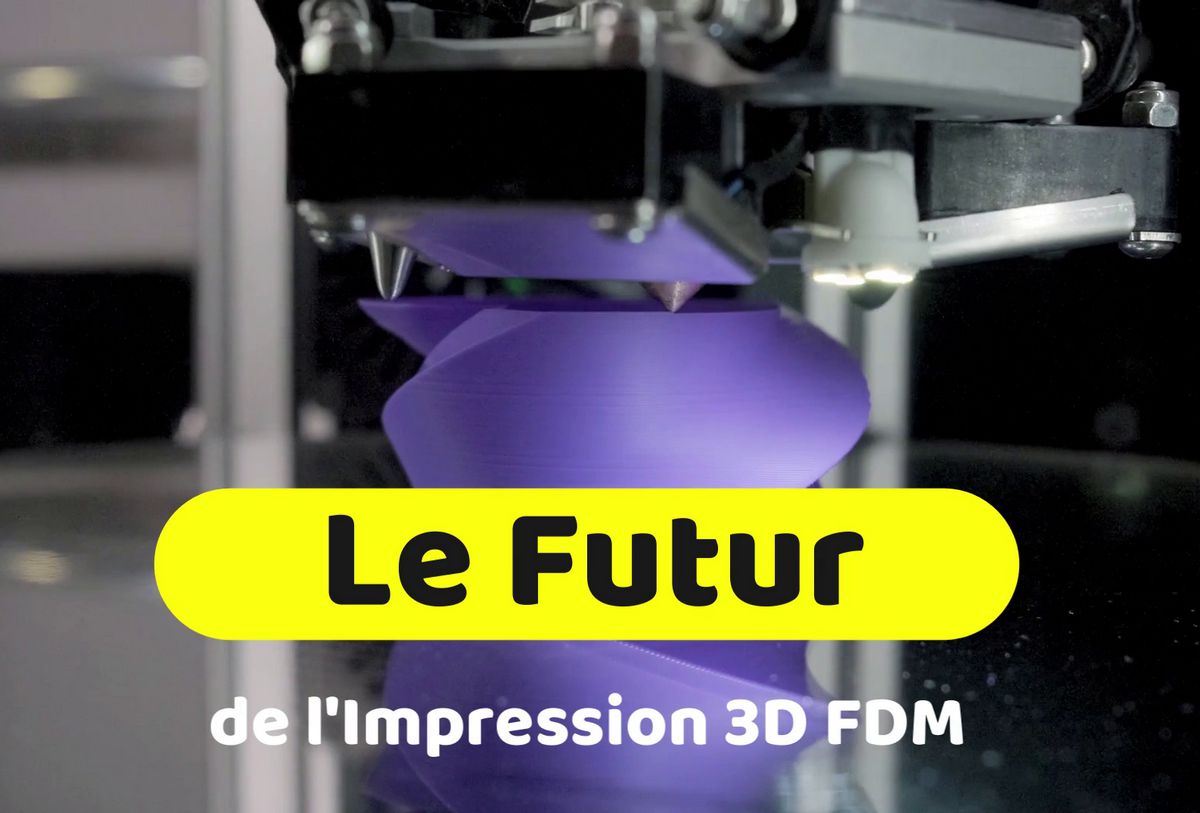
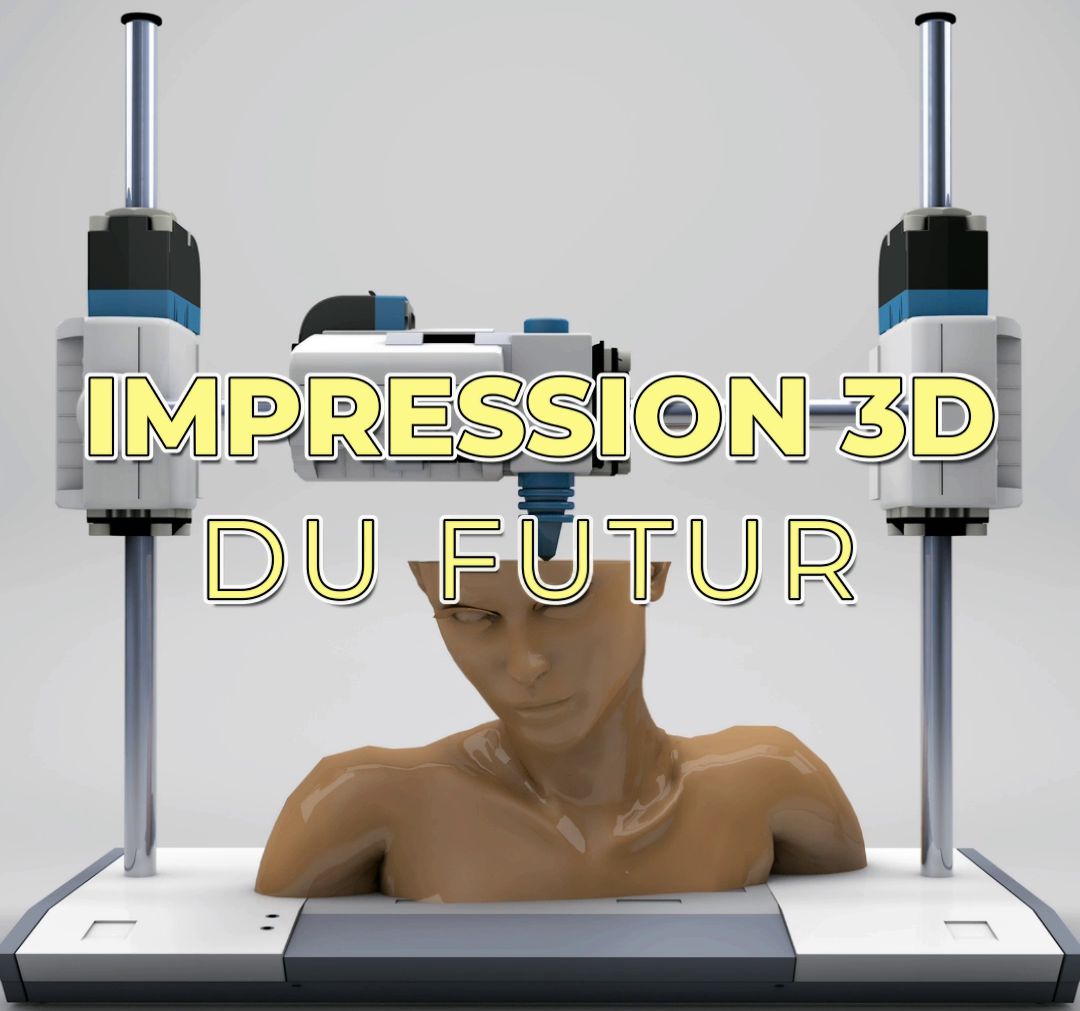
3D printing has come an incredible distance in just a few years, putting personal fabrication in reach for millions of people. But for it to become a truly mainstream device—like a paper printer—it still has obstacles to overcome. The 3D printer of the future won't just be faster; it will be smarter, more reliable, and even easier to use.

Artificial Intelligence for Simplicity
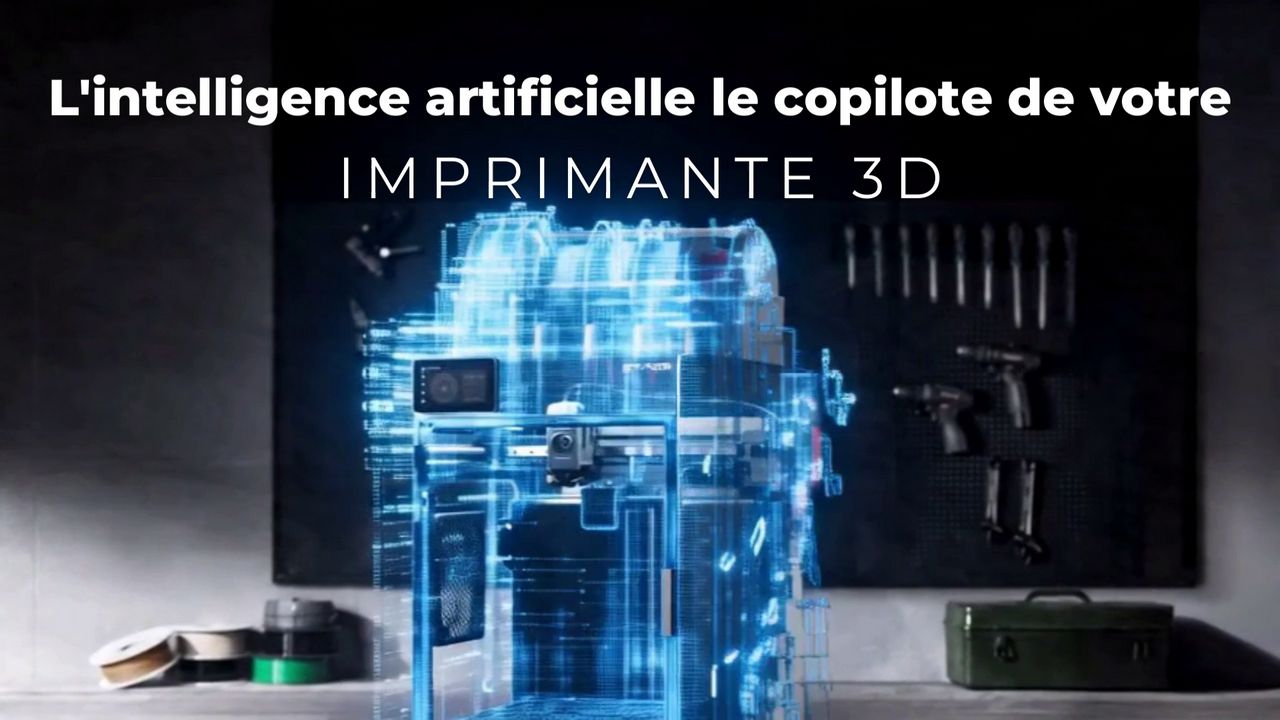
The biggest revolution ahead is integrating artificial intelligence to eliminate complex tasks and print failures.
- Intelligent and automated slicing: AI will handle the slicing of your model. By analyzing the geometry of your part, AI will automatically choose the best orientation, the most efficient support type, and optimal infill density to produce a part that's both strong and fast to print—without you adjusting a single parameter.
- Predictive maintenance: The printer won't just detect errors during the current print. With AI, it will monitor the wear on its components (motors, nozzles, belts) and alert you before a breakdown occurs. It can even tell you the exact part to replace and guide you through the process.
- Voice and gesture control: Tomorrow's user interface could be even more intuitive than touchscreens. Imagine starting a print, adjusting temperature, or pausing with a simple voice command or hand gesture for a more natural interaction with the machine.
- Intelligent material management: The printer will automatically recognize the inserted filament (type, brand, color) and load the optimal print profile without user intervention or any slicer adjustments.
These features would make the creation process more fluid, less technical, and ultimately more accessible to everyone.
Speed and Multi-Material, With No Compromise
Today's printers excel at either speed or quality, but rarely both at once. The future must combine both performances while pushing the boundaries of materials.
- Blazing speed, flawless quality: Speeds of 600 mm/s will no longer be a feature—it'll be the bare minimum standard. Even faster machines will enable producing prototypes in minutes without sacrificing detail.
- Material fusion: Beyond simple color changes, we'll be able to print a single object combining multiple materials with different properties. Imagine a rigid part with flexible sections, or a solid shell with soluble support—all in one print.
- Zero waste: Current multi-material systems often require a "purge tower" to change colors, wasting filament. Future printers will find a smarter way to purge the nozzle, making the process both more eco-friendly and cost-effective.