Flexi in 3D Printing: What It Is and How It Works
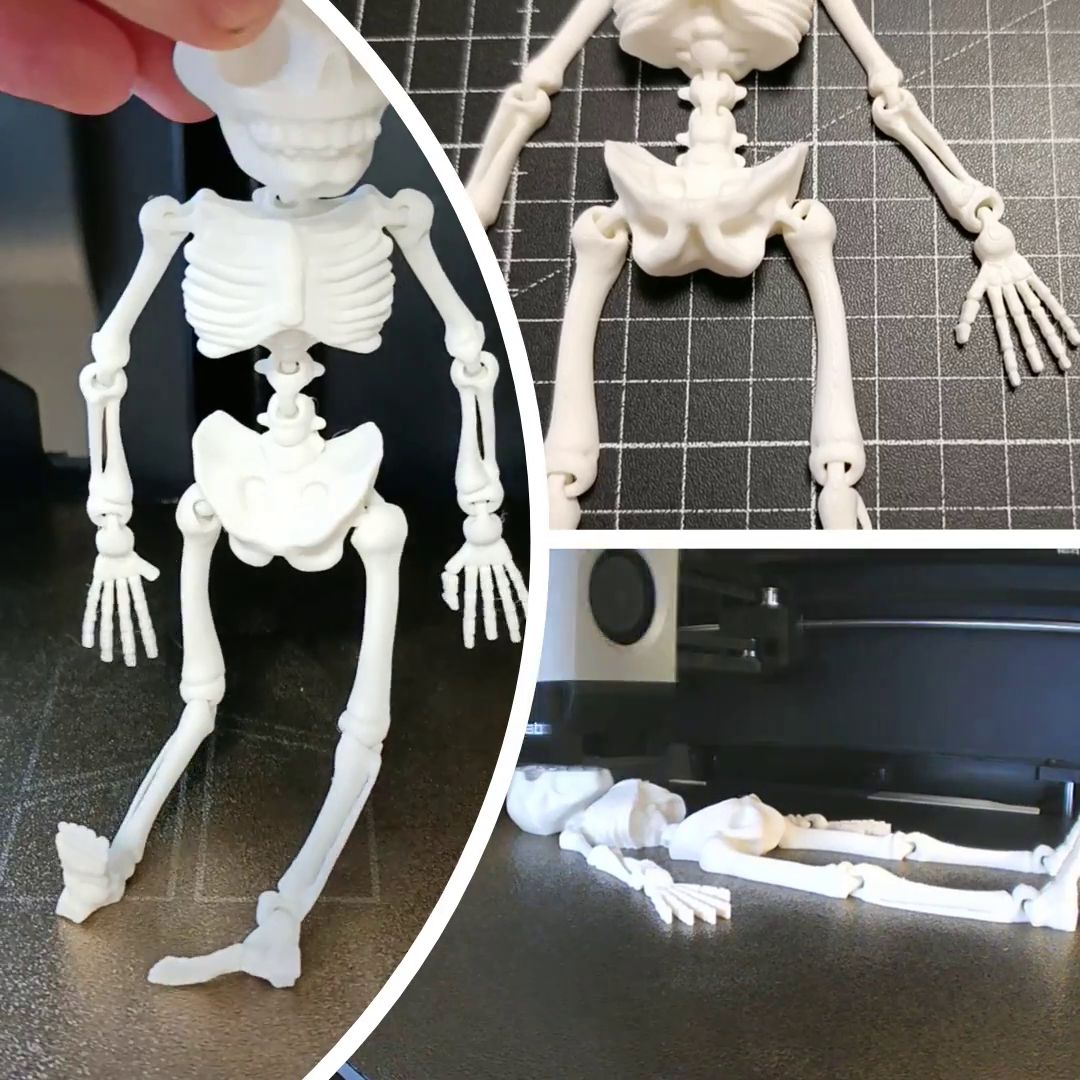
You're hearing more and more about "flexi" prints in the 3D printing world. This term, often associated with flexible or articulated parts, actually covers two distinct but complementary approaches to creating objects that aren't rigid.
So what is "flexi" and how is it possible to give flexibility to plastic?
Flexibility Through Filament

(3D model source: 3D design via MakerWorld)
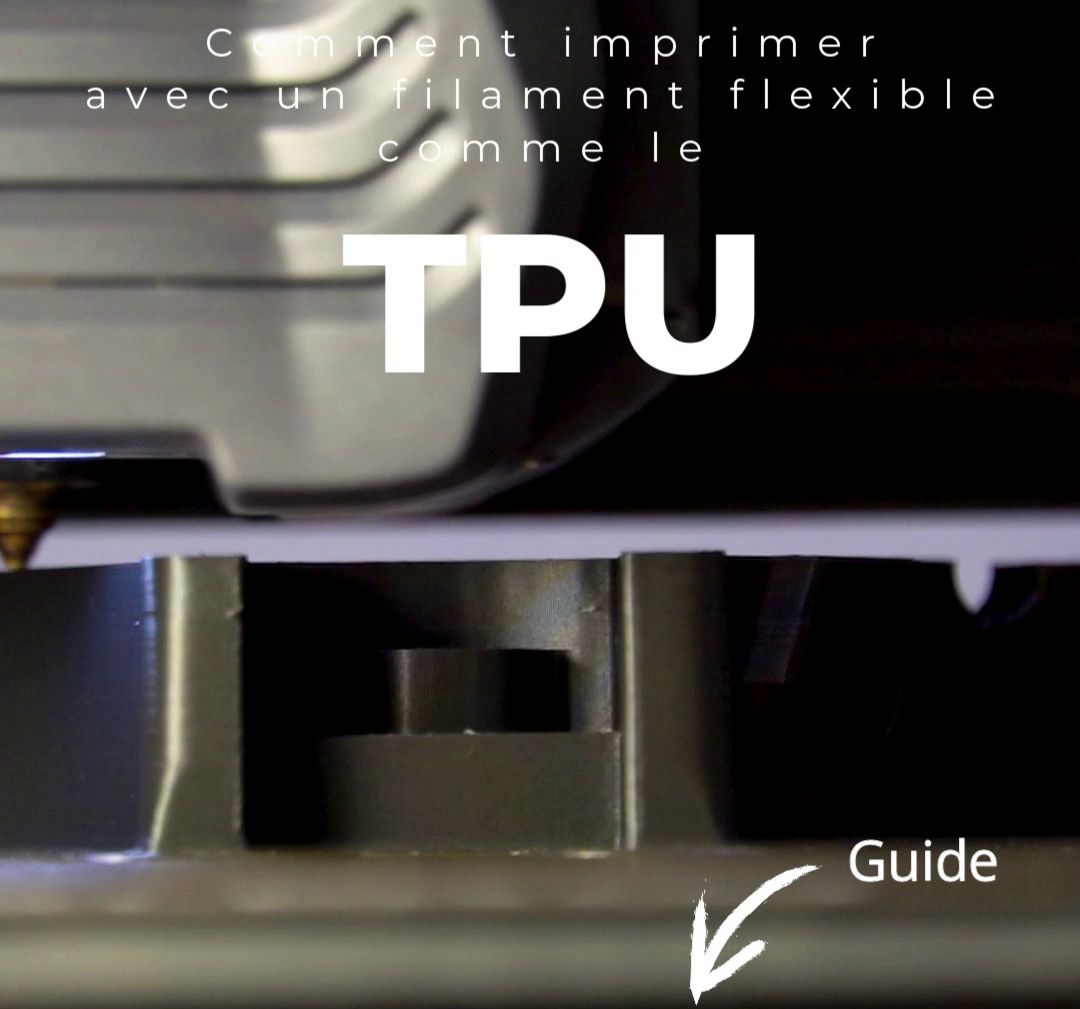
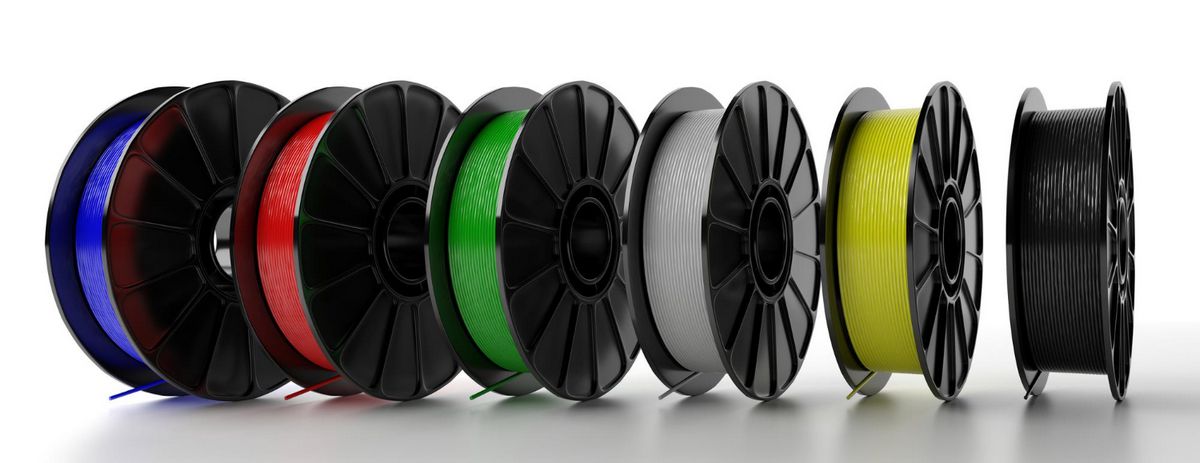
This is the most direct method: using a naturally flexible filament. The most well-known is TPU (thermoplastic polyurethane).
TPU filament has elastic properties and abrasion resistance that make it resemble rubber. An object printed in TPU can bend, twist, and absorb impacts before returning to its original shape.
- How does it work? The printer heats the TPU filament, which, once deposited, remains flexible and elastic.
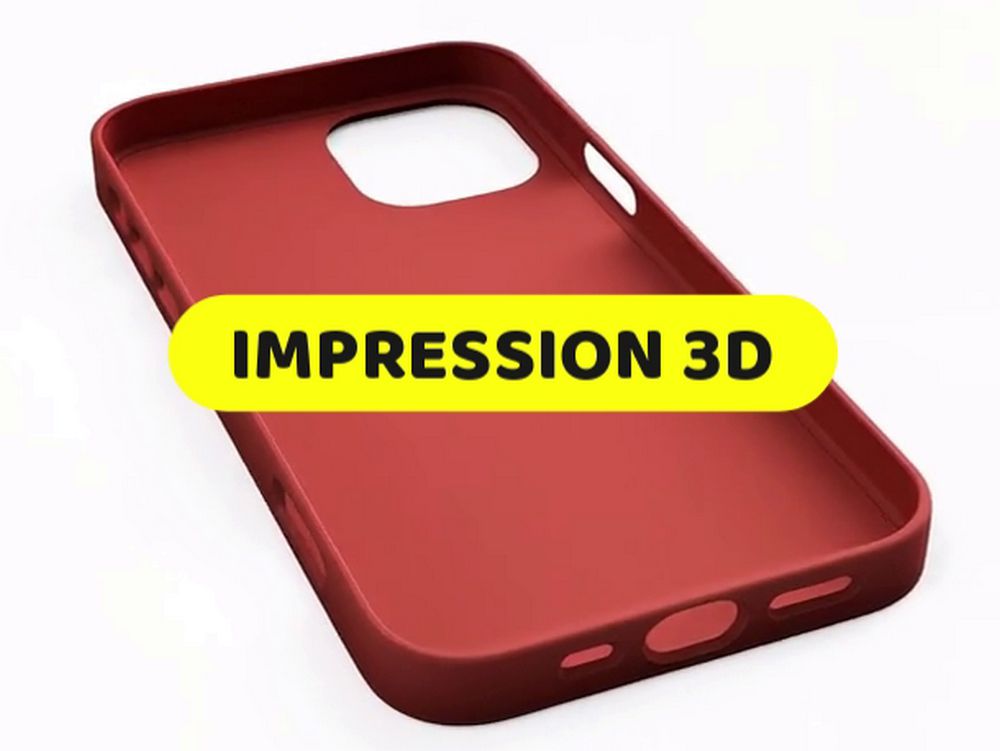
- What objects is it for? This technique is ideal for functional parts that must withstand impacts or deformations, such as phone cases, gaskets, watch bands, or vibration-dampening feet.
- Challenges: TPU is more difficult to print than PLA because its flexibility can cause extruder jams. It requires very slow print speeds and specific settings.
Flexibility Through Design
This is a more subtle and highly creative approach. It consists of printing a flexible object in a single piece, using not a soft filament, but a rigid one like PLA. The flexibility no longer comes from the material, but from how the object is designed.
Two techniques are particularly popular:
Articulated Objects
These are models, like the famous articulated dragon, designed to be printed all at once. The different parts are connected by tiny joints that are not fused together. Once printing is complete, you simply move the piece to free up the joints, and the object becomes fully flexible and mobile.
Living Hinges
This technique involves creating thin strips in an otherwise rigid part. These strips are so thin they can bend thousands of times without breaking, acting as a hinge for boxes, flaps, or cases.
- How does it work? The printer deposits filament to create thin links that bend, or separate articulated pieces.
- What objects is it for? Perfect for parts that require movement without assembly, like toys, gadgets, or decorative objects that articulate.
In summary, the term "flexi" in 3D printing can mean two very different things:
- Printing an object in flexible TPU material for its resistance and elasticity.
- Printing a rigid PLA object with smart design that gives it articulated or bendable properties.
Both approaches unlock endless creative possibilities and allow you to create functional, durable, and unique parts.
Many online platforms are packed with free and paid flexi models ready to download and print. Check out our selection of Best STL file platforms