3D Print a Phone Case
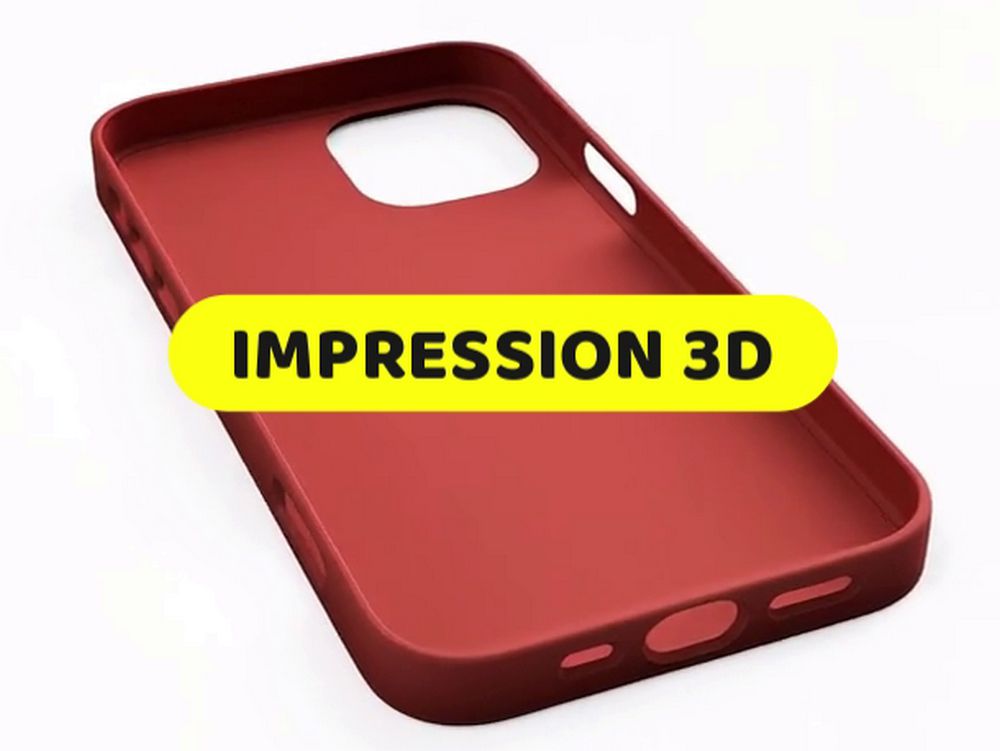
3D printing a phone case is an iconic project for any maker: it combines ultimate customization (design, texture, ergonomics) with the challenge of working with a flexible material needed for protection and practicality.
Here are the key elements to successfully 3D print a unique and functional phone case.

The Critical Material Choice: TPU
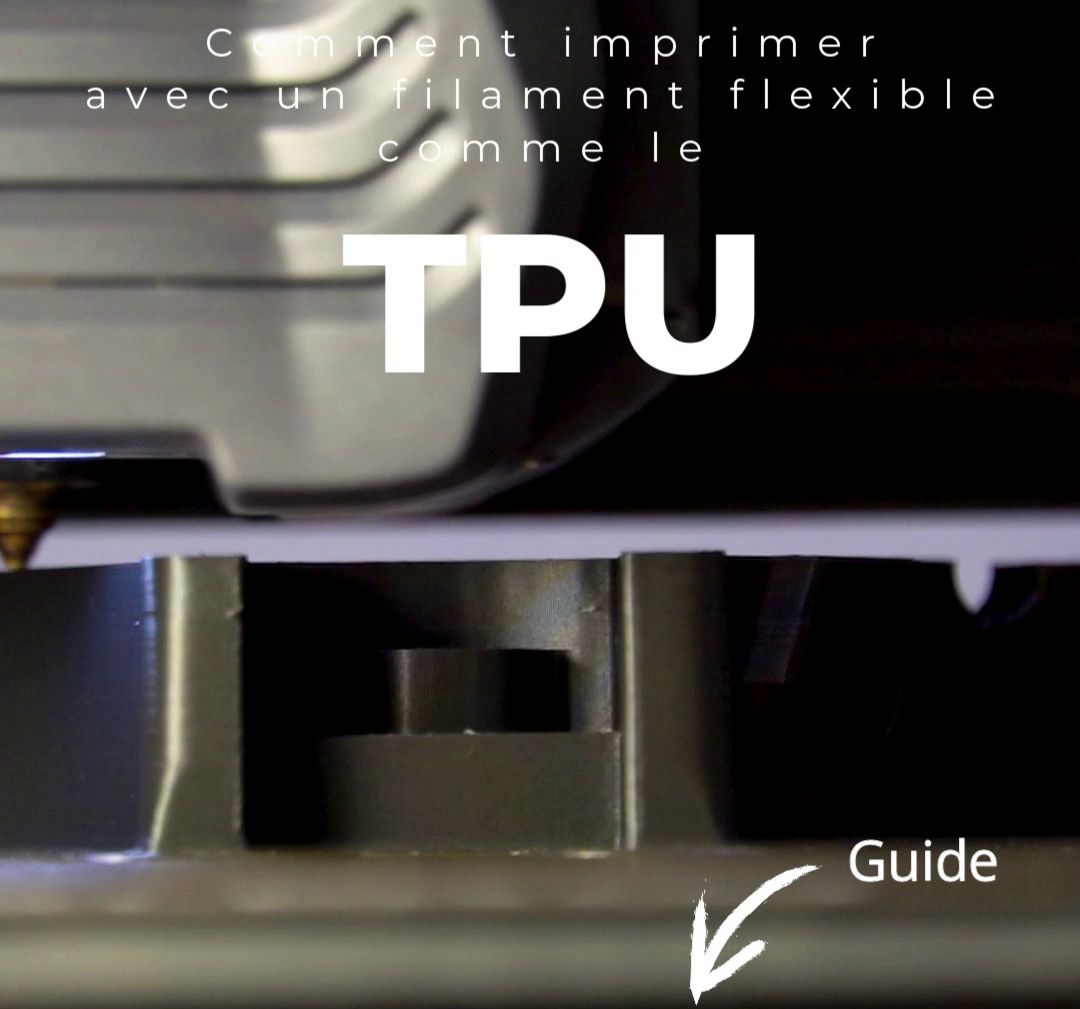
For a phone case, the most commonly used and best-performing material is TPU (Thermoplastic Polyurethane). It's a thermoplastic elastomer (TPE) that offers ideal protective properties:
- Flexibility and Resilience: TPU is both flexible (it can be stretched and twisted) and tough, allowing it to absorb shocks from drops and protect your phone.
- Abrasion Resistance: It's very durable and resists daily wear, scratches, and skin oils.
- Shape Memory: Despite its flexibility, it has excellent shape recovery, ensuring the case stays snugly fitted around the phone without loosening over time.
- Shore Hardness: Flexibility is defined by Shore hardness (e.g., 95A is stiffer, 85A is softer). For a phone case, TPU with higher Shore hardness (around 95A) is often the best compromise between protection and printability.
The Challenges of Printing Flexible Filaments
TPU printing is trickier than PLA and requires specific adjustments:
- Slow Print Speed: TPU is "pushed" (not pulled) by the extruder. If extruded too fast, it can twist and jam. A slow speed (typically between 20 and 40 mm/s) is essential.
- Minimal or No Retraction: Filament retraction (pulling it back slightly during head movement) must be reduced to a minimum or disabled entirely. Otherwise, the flexible filament stretches and causes jams.
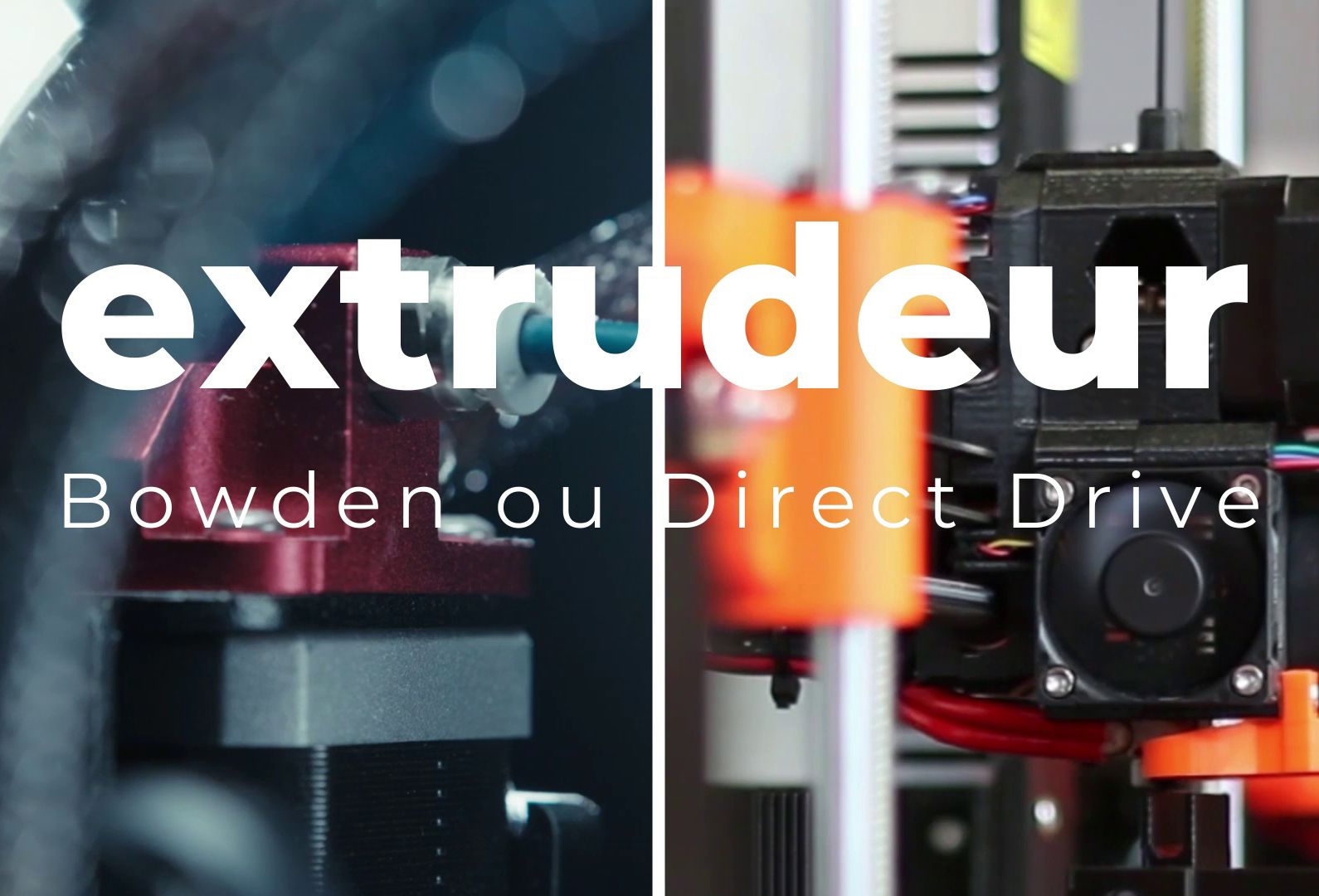
- Direct Drive Extruder: Printers equipped with a Direct Drive extruder (where the motor is directly above the nozzle) are preferable to Bowden systems (where the motor is remote and pushes filament through a long PTFE tube), as they offer better control of soft materials.
Design: Precision and Ergonomics
Case modeling must be done with great precision so your phone fits perfectly and all access points remain functional:
- Precise Dimensions: It's crucial to get the exact dimensions of your phone (via technical drawings or measurement). Allow for a very tight tolerance (sometimes 0.1 mm or 0.2 mm) so the case snaps on with slight effort.
- Buttons and Openings: The locations of buttons (volume, power), charging port, speakers, and camera must be modeled precisely. For buttons, it's best to create integrated, very thin buttons in the case (less than 1 mm thick) so the TPU stays flexible at those spots for easy button actuation.
- Custom Design: This is where 3D printing shines. You can integrate relief patterns, logos, textures (for better grip), or even retractable supports (kickstands) directly into your case design.
Thanks to TPU's flexibility and 3D printer precision, anyone can create a phone case that's not only protective and functional, but also a true reflection of their personality and ergonomic needs.
Resources: Where to Find Your Models
If you don't want to model your case yourself, you'll find many ready-to-print models for most phone brands on 3D file sharing platforms (check our guide to free 3D file sites). Just search for your specific phone model.