🤖 InMoov: The 3D-Printed Open-Source Humanoid Robot
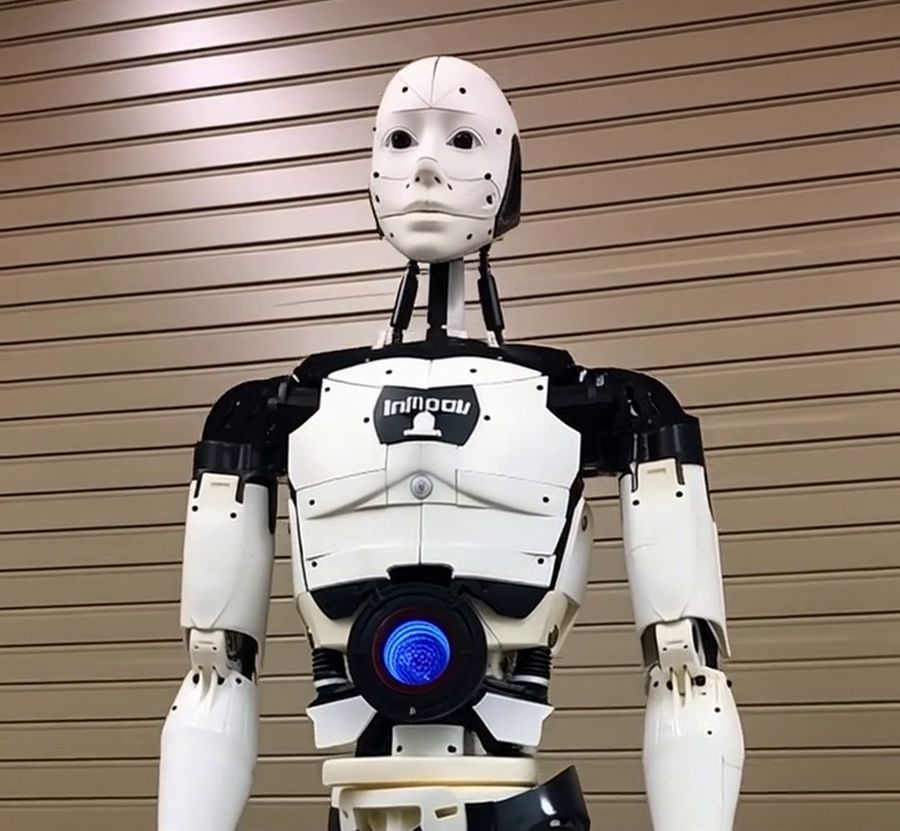
InMoov is more than just a robot; it's a global community project that symbolizes the accessibility of robotics.

1. The Fundamental Concept
-
One of a Kind: InMoov is the first full-size humanoid robot (human-sized) where every part is designed to be 3D-printed.
-
Creator: It was initiated in 2012 by French sculptor and designer Gael Langevin, originally with the goal of designing a futuristic hand prosthetic.
-
Accessibility: All parts are designed to be printed on a standard small desktop 3D printer (with a build platform of approximately 12 × 12 × 12 cm).
-
Open Source License: The plans and files are distributed under the Creative Commons (CC-BY-NC) license. This allows anyone to download the files, print them, and modify them, turning the project into a learning and development platform.
2. Technology and Features
-
Hardware: The robot uses popular open source technologies such as Arduino microcontrollers and servo motors for its movements.
-
Software: It is primarily controlled by the MyRobotLab framework, based on Java, which allows developers to add open source software building blocks to control it.
-
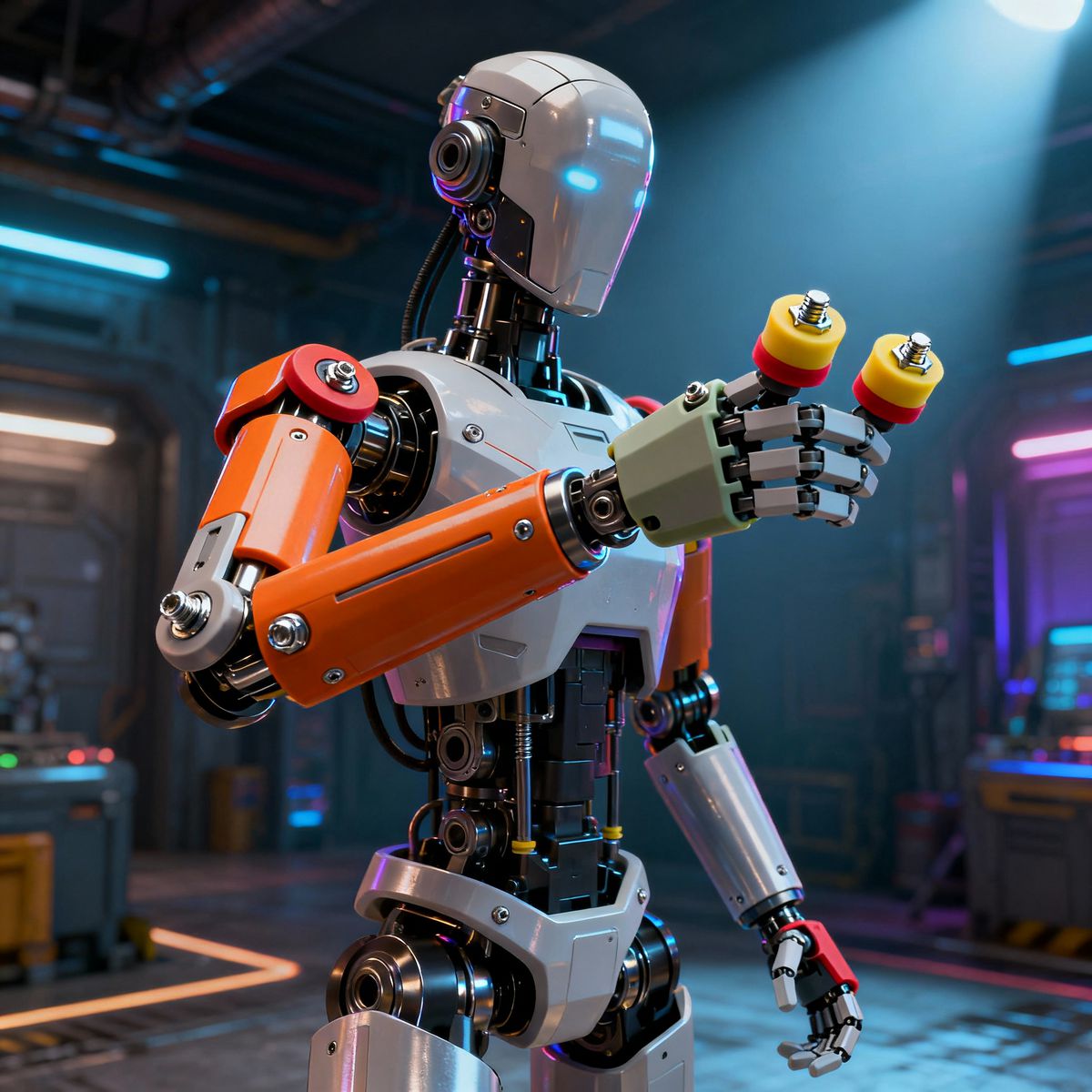
Capabilities: Once assembled and programmed, InMoov is capable of:
-
Listening to sounds and speaking.
-
Seeing (through cameras).
-
Moving (often on a wheeled base or developing legs).
-
Interacting (some versions can grasp objects with their hands).
-
3. The Importance of Community
-
Learning Platform: The InMoov concept is built on sharing and community. It is used in more than 50 countries and in many universities, labs, and Fab Labs.
-
Derivative Projects: The robot serves as the foundation for countless personalized projects. For example, people have used it to develop:
-
Versions with integrated screens.
-
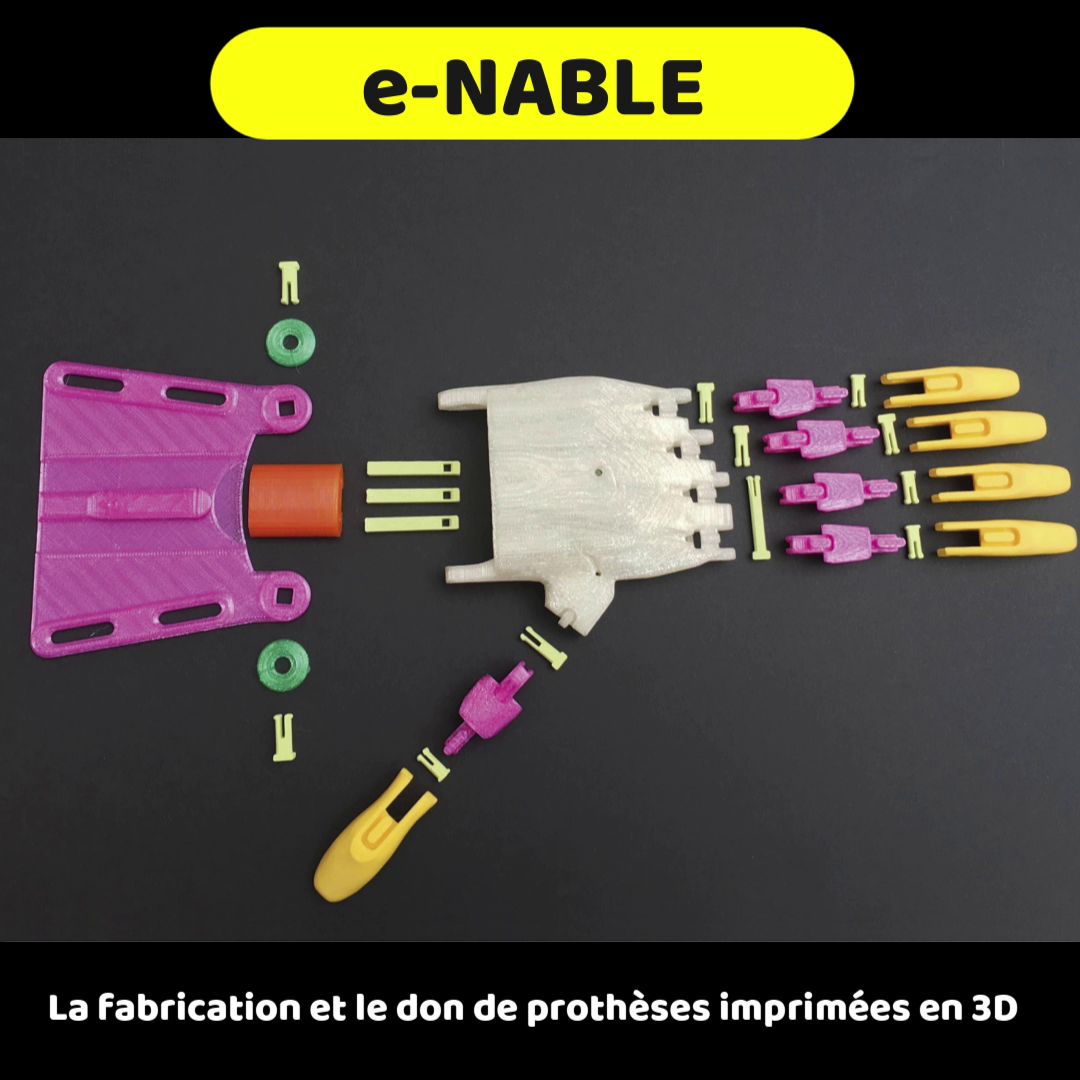
Prosthetic systems (like the Bionico or E-Nable projects, derived from the original hand).
-
Assistant robots (some have transformed it into a bartender, or used it for AI research).
-
-
Maker Spirit: The project embodies the spirit of the Maker movement: the ability to create complex technological objects at home through shared tools and knowledge.
Infinite Customization: The Real Strength
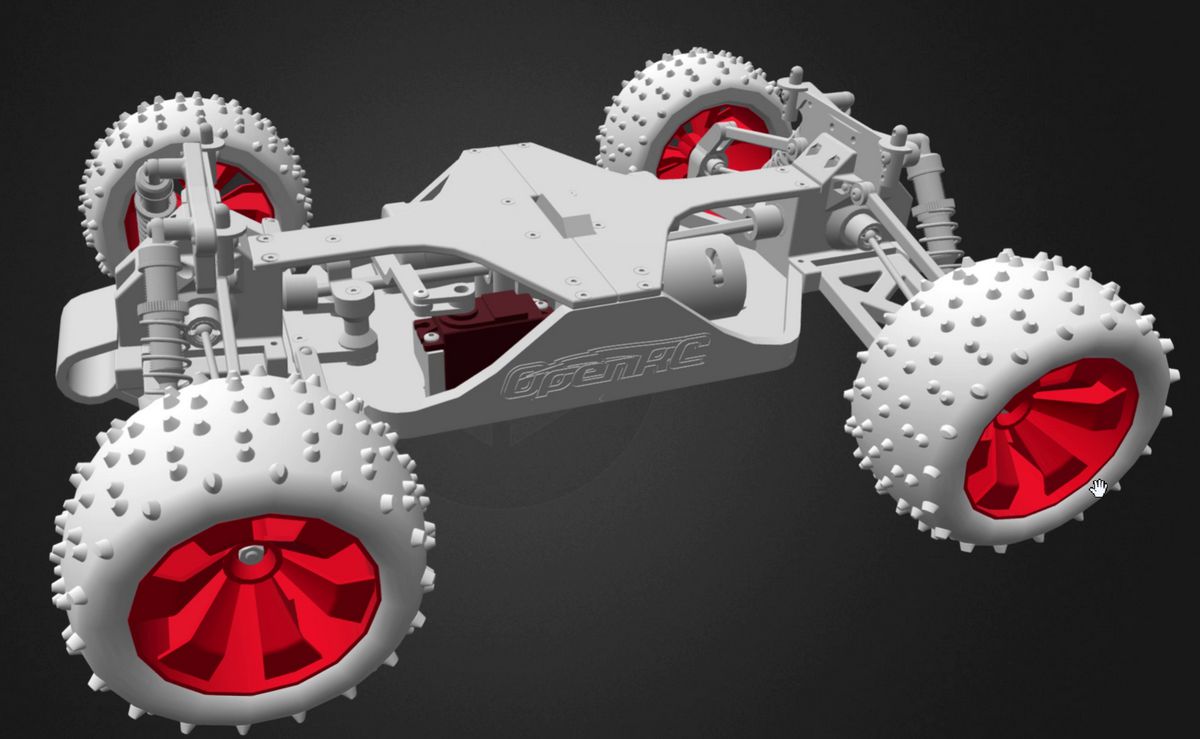
With OpenRC, each model can be:
-
adapted (dimensions, rigidity, durability),
-
reinforced depending on the terrain,
-
lightened for more speed,
-
customized in color and design,
-
modified to accommodate different motors or batteries.
Additive manufacturing allows you to create a truly unique machine, entirely designed according to your driving style.
An Excellent Educational Project
OpenRC is often used in:
-
engineering schools,
-
robotics clubs,
-
makerspaces,
-
STEM workshops.
It combines CAD, 3D printing, electronics, mechanics, RC control, and problem-solving. A complete, fun, and motivating project to learn by building.
OpenRC is not just a collection of files to print: it's a revolution in the RC world.
It offers complete freedom, low cost, a huge community, and above all the ability to build a functional vehicle with your own hands.
Thanks to 3D printing, anyone can become a creator, builder, and pilot.
OpenRC is the future of RC modeling: free, accessible, and fully customizable.