Open Source 3D Printing
In the world of 3D printing, the term "open source" is far more than just a label: it's the very foundation of the technology as we know it today. The idea of freely sharing designs, software, and knowledge has not only democratized additive manufacturing, but it has also created an unprecedented community of creators and innovators.
What is open source in 3D printing?

Being open source means that the design schematics, software code, and plans for a product are accessible to everyone. This allows anyone to use, modify, and distribute them. In 3D printing, this manifests itself at three levels:
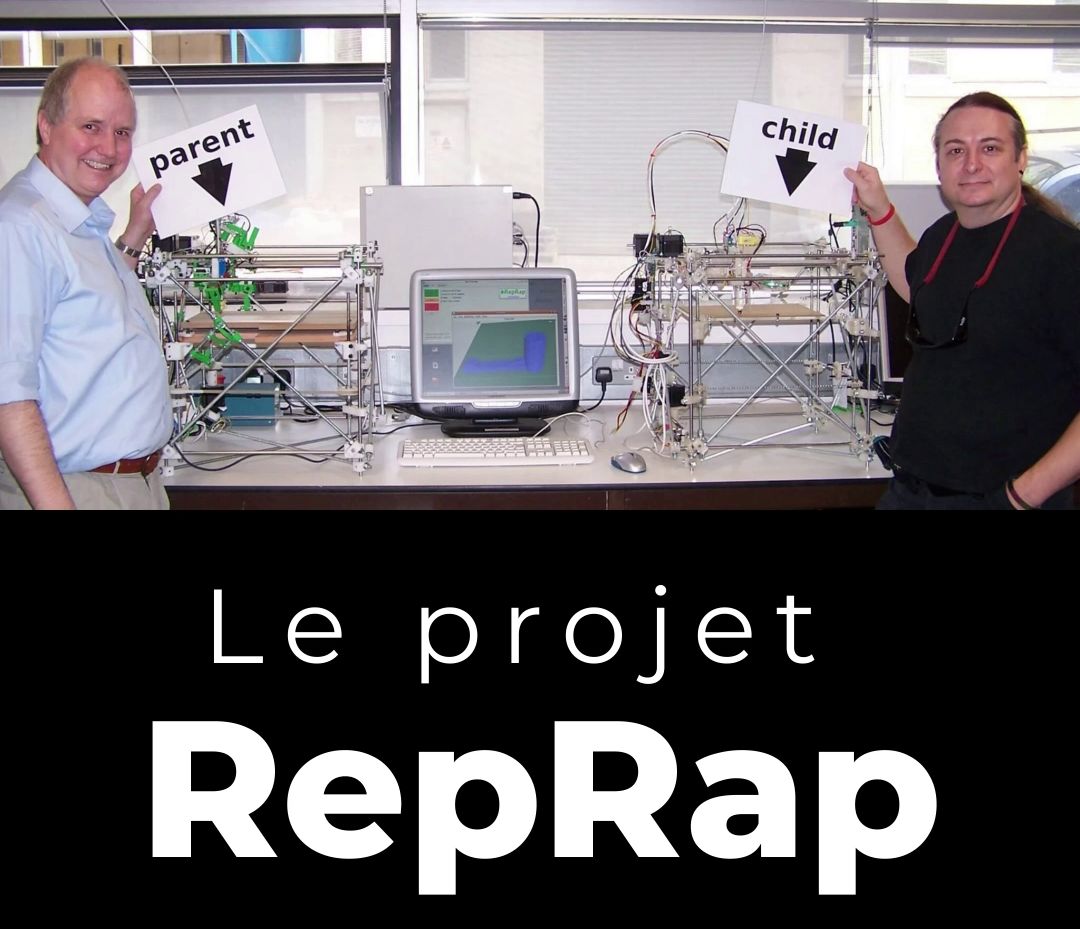
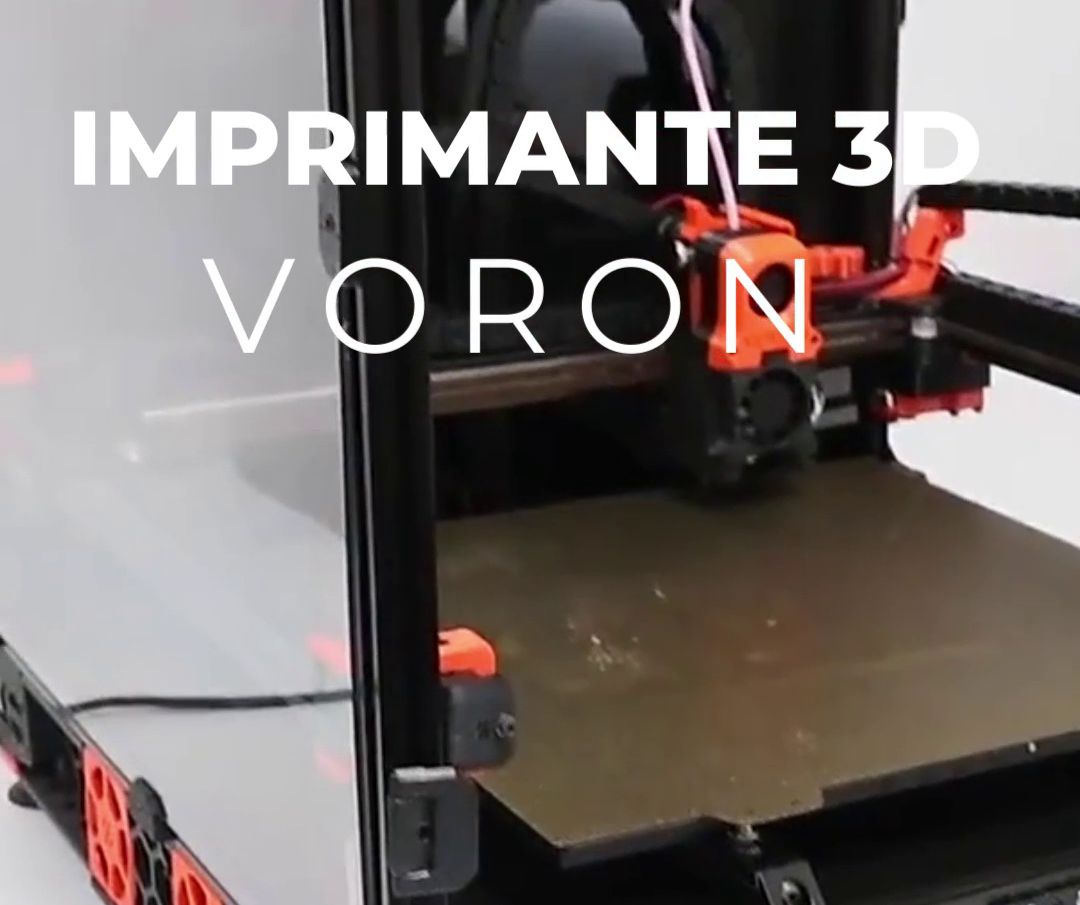
- Hardware: The movement started with the RepRap project, a 3D printer prototype capable of self-replication. Its creators made the plans available to everyone, and this idea gave birth to thousands of machines. Today, projects like Voron or Prusa Research printers (partly open source) continue to build on this principle, allowing users to build, repair, and improve their own machines.
- Software: This is the brain of the printer. Open source software is essential and has enabled rapid evolution of the technology.
- Firmware: Software like Marlin and Klipper manage the printer's movements. Being open source, they are constantly improved by a community of developers worldwide to add new features and optimize performance.
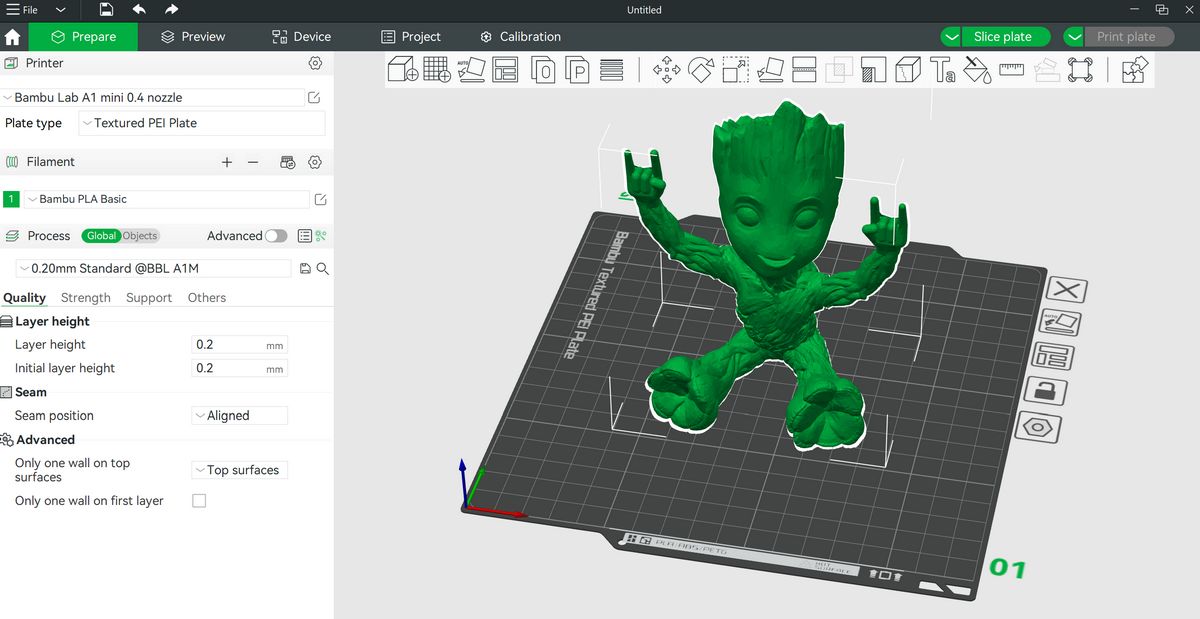
- Slicers: Software like Ultimaker Cura or PrusaSlicer transform your 3D model into instructions for the printer. Their open source nature means they're compatible with a huge variety of printers and continuously evolve to offer new options.
- Knowledge and Community: The heart of the movement is sharing. Forums, discussion groups, wikis, and 3D file-sharing platforms (read the article: Where to Find Free 3D STL Files for 3D Printing? The Best Platforms) are spaces where users help each other, share tips, settings, and files. It's this collective collaboration that has allowed innovation to accelerate at a breakneck pace.
The critical importance of this open source philosophy
Open source isn't just an option, it's the engine that shaped the market.
- Accelerated innovation: When everyone can contribute, problems are solved faster and ideas spread at lightning speed.
- Accessibility: By making designs and software free, open source has enabled millions of people to access the technology without paying expensive licenses, democratizing manufacturing.
- User freedom: You're not "locked in" by a manufacturer. You can choose any filament, use any software, and most importantly, you have the right to repair and modify your machine.
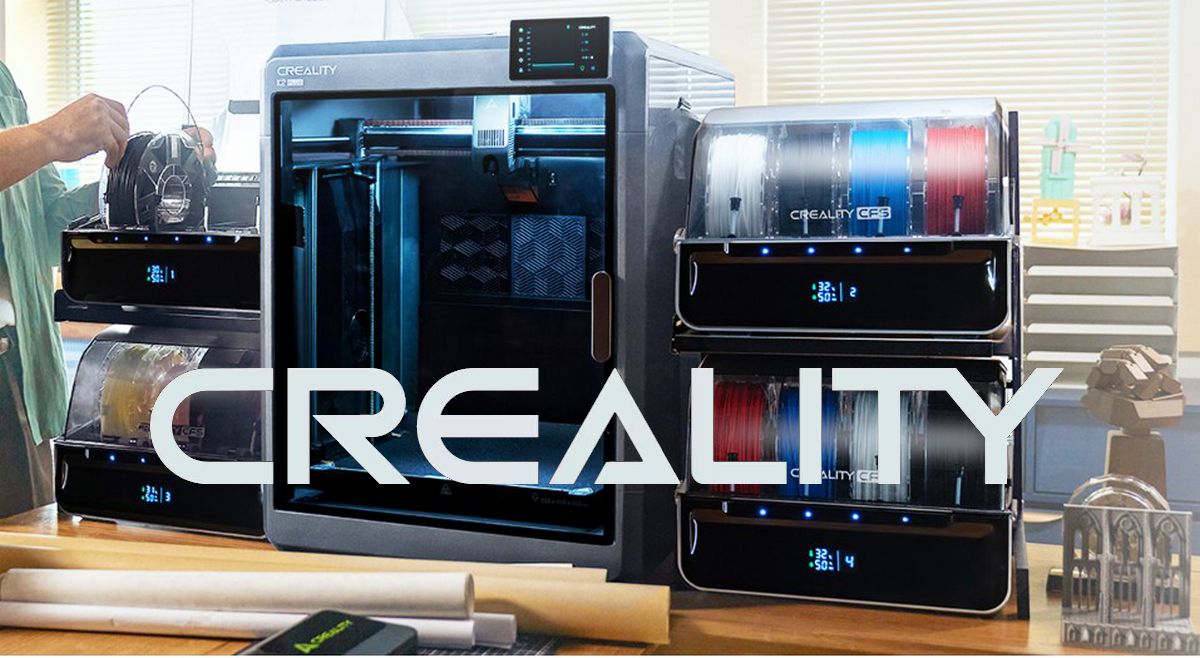
Today, the landscape is evolving with the arrival of brands offering more closed systems, combining performance and ease of use. However, the open source model continues to thrive, particularly through projects like Voron or the latest generations of Creality printers adopting Klipper. It remains the reference for users who want total control of their machine and wish to contribute to an ecosystem of sharing and passion.