How 3D Printing Launches Tintin's Rocket Ship
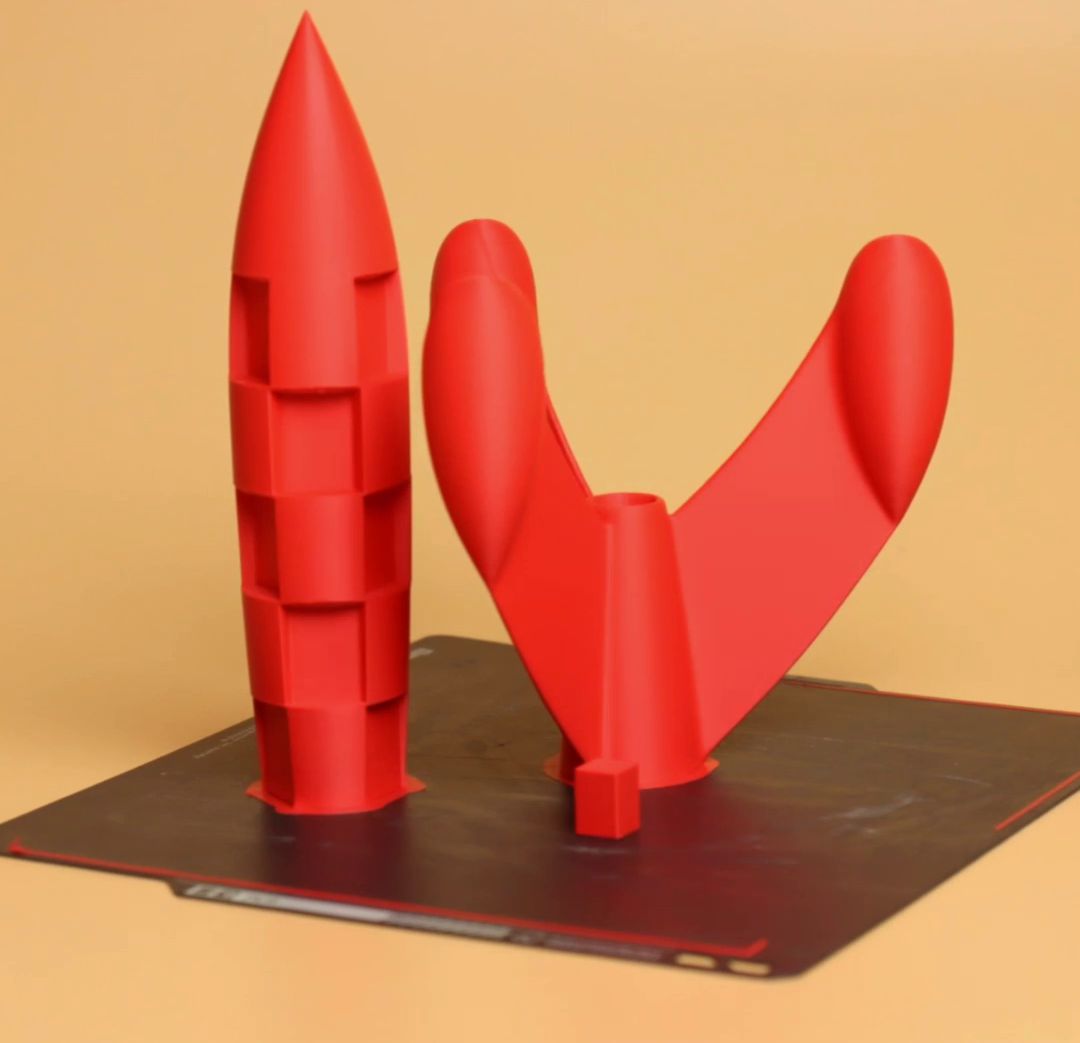
An absolute icon of comic book history, the red and white checkered Lunar Rocket from Destination Moon and Explorers on the Moon is far more than just a vehicle: it's a symbol of optimism, space exploration, and Hergé's genius. For collectors, 3D printing has become the ultimate way to own a replica of this legend, often in sizes and finishes impossible to find commercially.

1. Why Tintin's Rocket Is the Ultimate 3D Project
Tintin's rocket is a modeling and printing challenge that tests every skill in a maker's toolkit.
- The Aerodynamic Shape: The sleek design, inspired by the V2 rockets of the era, is a real test of your printer's ability to handle smooth curves and tall vertical sections without layer shifting.
- The Checkerboard Challenge: The iconic red and white pattern is the most critical part. Achieving crisp lines of demarcation requires a methodical approach:
- Multi-Material Printing: For printers equipped with a filament-switching system, you can print the checkerboard directly, ensuring perfect color fidelity and ultra-precise lines without painting.
- Aggressive Post-Processing: For single-material printers, the part is typically printed in white, then red is applied with meticulous masking using fine adhesive tape to outline each square.
- Scale (The WOW Factor): 3D printing lets you exceed the dimensions of traditional manufactured products. Makers often tackle models over a meter tall, printed in sections to become true showpiece decorations. (As the community attests, models over a meter often require more than 150 hours of printing and several filament spools!)
2. The 3D Model
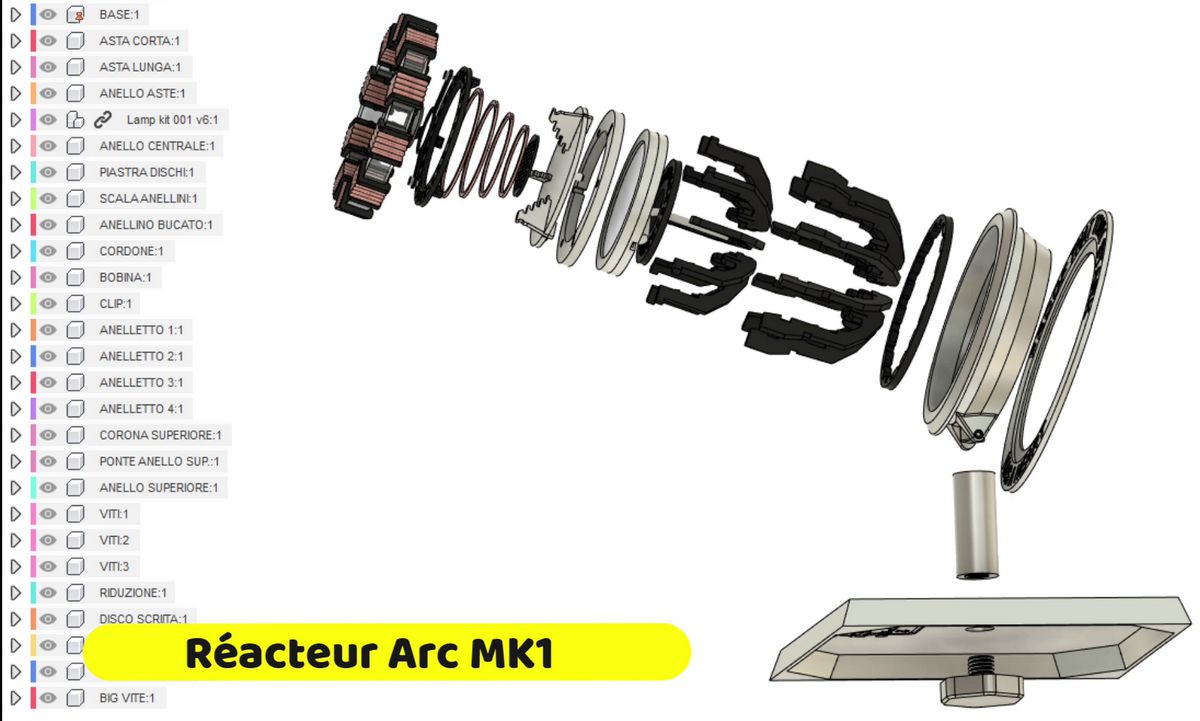
Modeling the design (often done in CAD software like Fusion or polygonal modeling tools) must be rooted in respect for Hergé's work.
- Reference to Plans: Modelers often rely on precise dimensions from official models or period blueprints to guarantee accuracy in proportions, from the nose cone to the stabilizer fins.
- Modular Design: To print a large rocket, the 3D file is divided into interlocking pieces (often with built-in tenon/mortise joints) to simplify assembly and reduce the risk of print failure on a single piece. These joints are later hidden during sanding and painting.
3. Filament Selection
- PLA: The most common filament for its ease of printing and rigidity. Ideal for decorative indoor models.
- PETG: Preferred by some for better impact and heat resistance (if the piece is displayed in sunlight behind a window).
Thanks to the flexibility and power of 3D printing, Tintin's Lunar Rocket is no longer just a childhood dream, but an exciting modeling project that every fan can literally launch from their own printer's build plate.