3D Printing and Modeling

Modeling is a passion that transcends ages and disciplines. Whether building complex miniature train layouts, flying radio-controlled aircraft, navigating detailed boats, piloting high-performance RC cars, or creating strikingly realistic dioramas and figurines, modelers share a common love for precision, detail, and meticulous craftsmanship. Traditionally, this quest for perfection could be hindered by the difficulty in finding specific parts, high manufacturing costs, or the complexity of certain techniques.
This is where 3D printing comes in, not as a simple tool, but as a true ally revolutionizing how modelers design, manufacture, and restore their works. This technology opens unsuspected horizons, making it possible to achieve levels of detail, customization, and functionality previously inaccessible to the hobbyist.
Why Is 3D Printing Essential for Modeling Enthusiasts?
Integrating 3D printing into modeling offers numerous advantages:
- Unmatched Precision and Detail: 3D printing allows you to reproduce tiny parts with incredible accuracy, from complex gears to fine surface textures, detailed cockpits to body rivets.
- Unlimited Customization: You can design and print unique parts, model-specific improvements, personalized figurine versions, or accessories unavailable commercially.
- Restoration and Replacement of Rare Parts: For old or damaged models where replacement parts are unavailable, 3D printing offers the ability to perfectly recreate these essential elements, saving countless projects.
- Rapid Prototyping and Testing: Before committing to more costly or complex manufacturing, 3D printing lets you quickly test different versions of a part, adjust dimensions, or validate a design.
- Cost-Effectiveness: For unique parts or small runs, 3D printing is often far more affordable than buying specific parts from manufacturers or using machining methods.
- Material Variety: The choice of filaments and resins lets you select the material best suited to required properties: rigidity, flexibility, water resistance, heat resistance, or specific aesthetic appearance.
3D Printing Applied to Different Modeling Branches
3D printing's versatility makes it relevant for nearly all forms of modeling:
- Railroad Modeling:
- Locomotives and Cars: Boiler details, bogies, pantographs, interior car fittings, custom cargo.
- Scenery: Buildings (stations, houses), street furniture (benches, lampposts), pedestrian figurines, railroad signaling, landscape elements.
- Tracks: Invisible supports, special connection pieces.
- Naval Modeling:
- Hulls and Superstructures: Detailed hull pieces, bridges, masts, radars, turrets.
- Propulsion: Custom-optimized propellers (as mentioned in our previous article), rudders.
- Ship Fittings: Miniature winches, buoys, anchors, winches, lifeboats.
- Aerial Modeling:
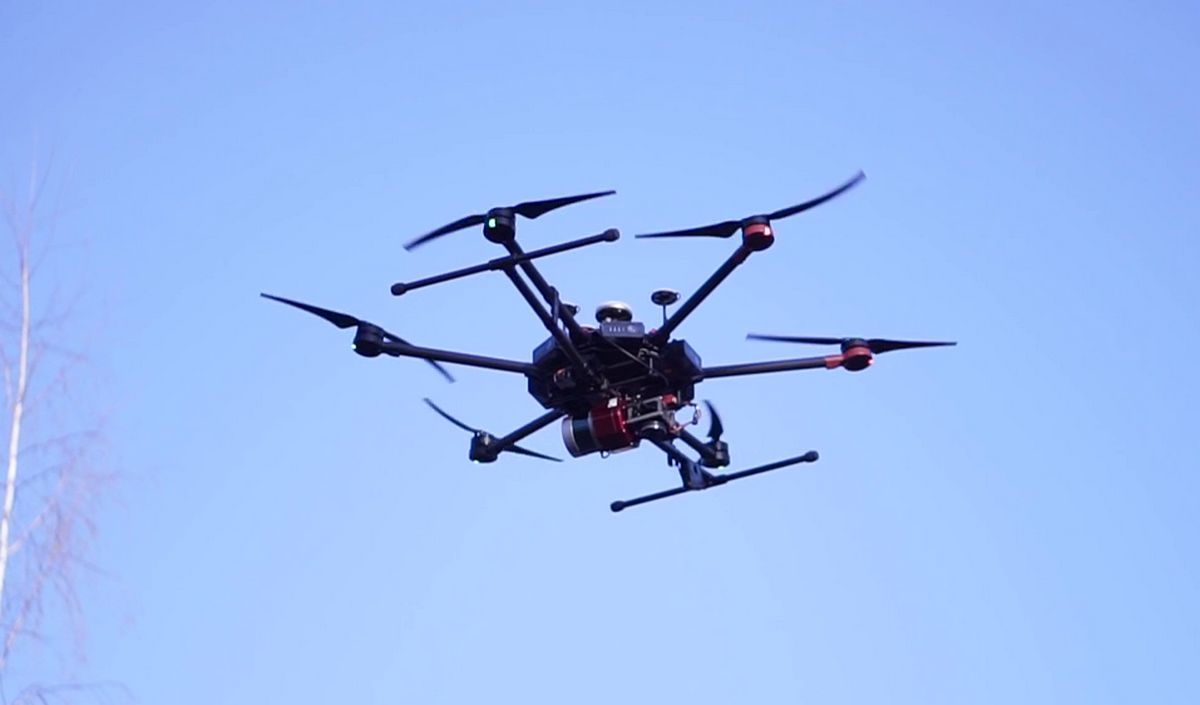
- Aircraft and Drone Parts: Detailed cockpits, lightweight landing gear, motor mounts, aerodynamic fairings, drone electronics protection.
- Propellers and Blades: From drone propellers to helicopter blades, optimized for weight and performance.
- Automotive and RC Modeling:
- Bodywork and Interiors: Custom bodywork, unique wheels, detailed seats, realistic dashboards.
- Mechanical Parts: Suspension mounts, electronics housings, performance-enhancement parts for RC vehicles.
- Figurines and Dioramas:
- Characters: Printing detailed figurines, weapons, tools, or scale-appropriate accessories.
- Scenery Elements: Ruins, miniature furniture, specific vegetation, ground textures, architectural scenery for realistic scenes.

Printing a Boat Propeller
For naval modeling enthusiasts, precision and performance are watchwords. The propeller, the centerpiece of propulsion, is often the focal point of all attention. Traditionally, its manufacturing or replacement could be a challenge. This is where 3D printing comes in, offering a revolutionary solution for creating custom, optimized, and incredibly detailed model boat propellers.


3D printing isn't just a trend, it's a lasting revolution for modeling. It allows enthusiasts to transcend the limits of commercial kits, fully express their creativity, and bring their boldest visions to life. For today's modeler, the 3D printer has become a complete miniature workshop where every idea can come to life layer by layer.