3D Printing Planetary Gears
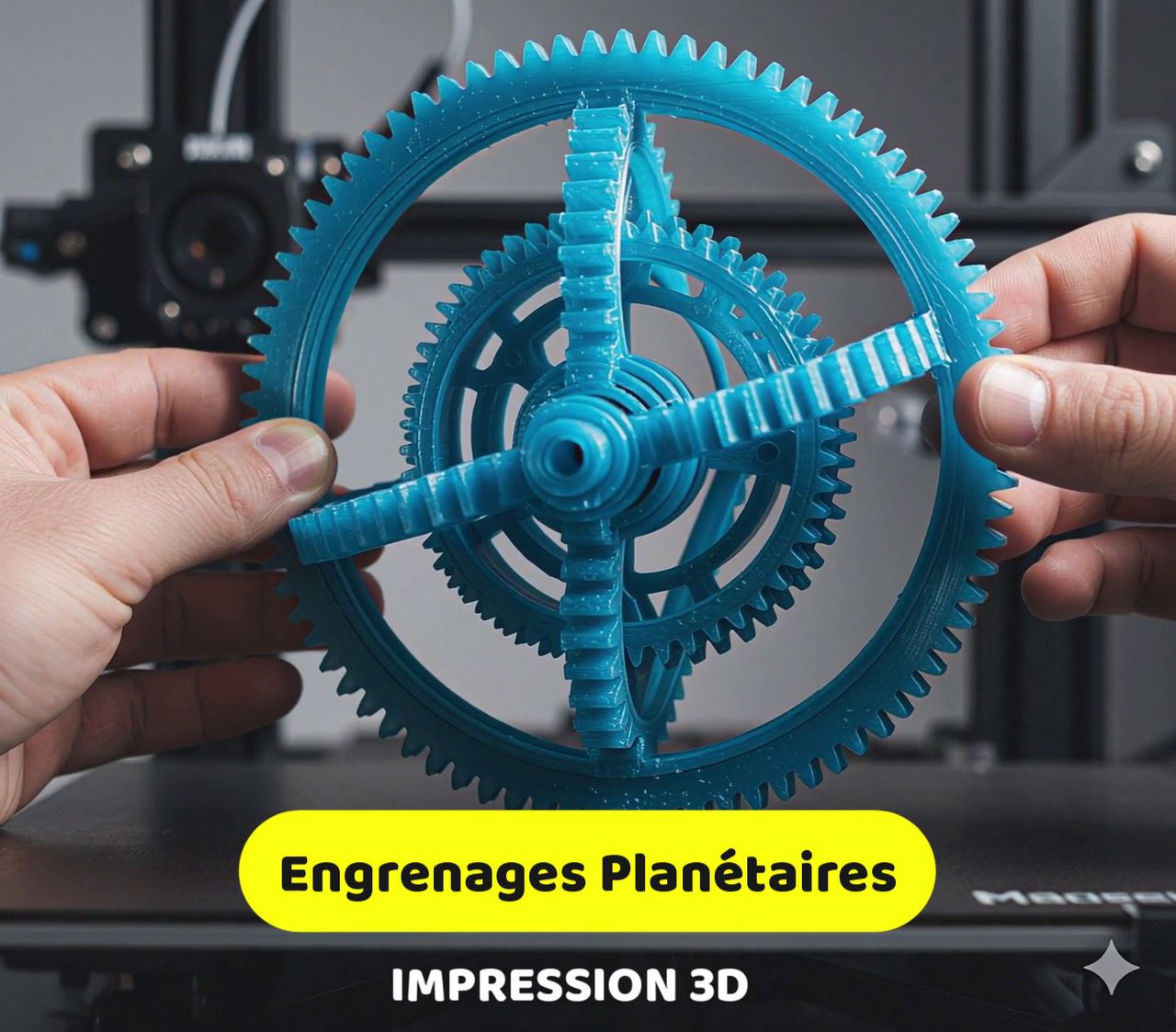
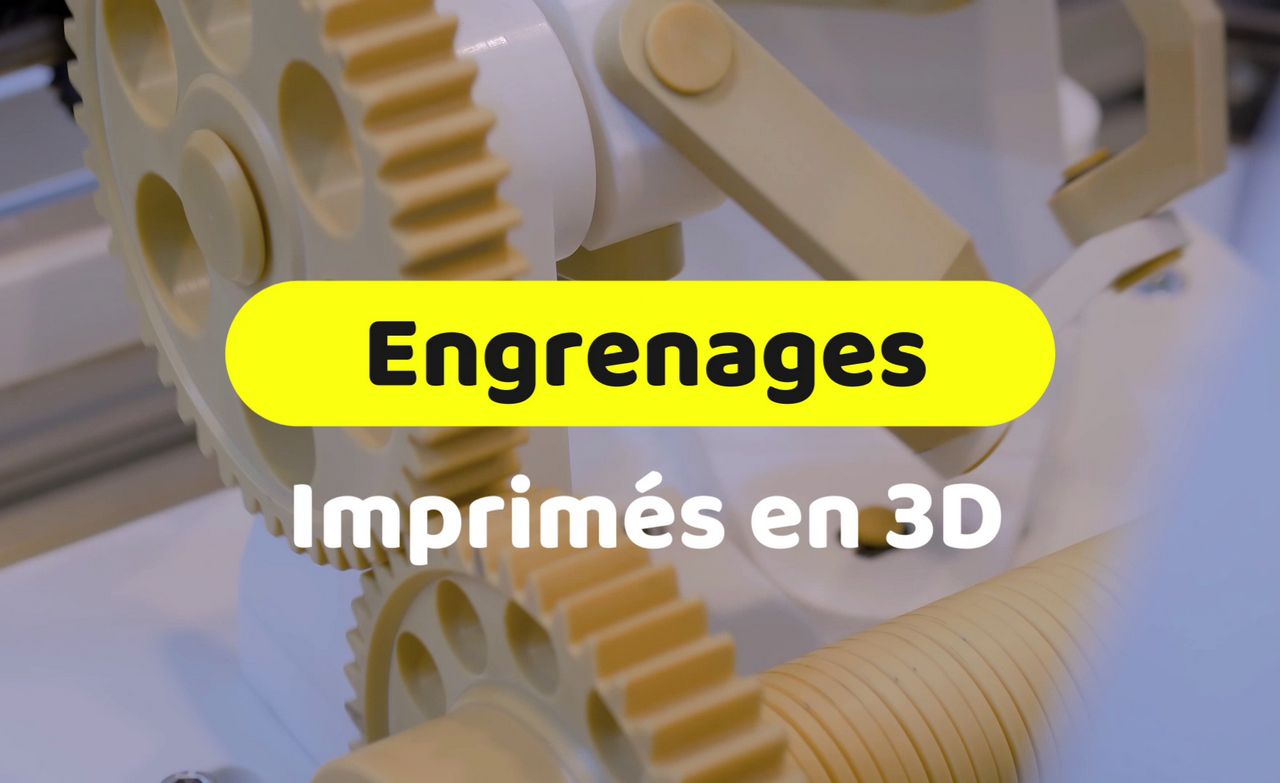
3D printing has opened the door to creating complex objects, but few projects are as impressive as a functional planetary gear system. Composed of a central gear ("sun"), multiple satellite gears ("planets"), and an external ring, this mechanism is a perfect demonstration of the precision and versatility of your 3D printer.

Why Print a Planetary Gear in 3D?
- The ultimate precision test: Successfully creating such a mechanism proves your printer is perfectly calibrated. This means you're ready for more advanced and complex projects.
- Rapid prototyping: Planetary gears are used in many systems, from automotive to toys. 3D printing lets you test designs and gear ratios in just hours, without expensive machining.
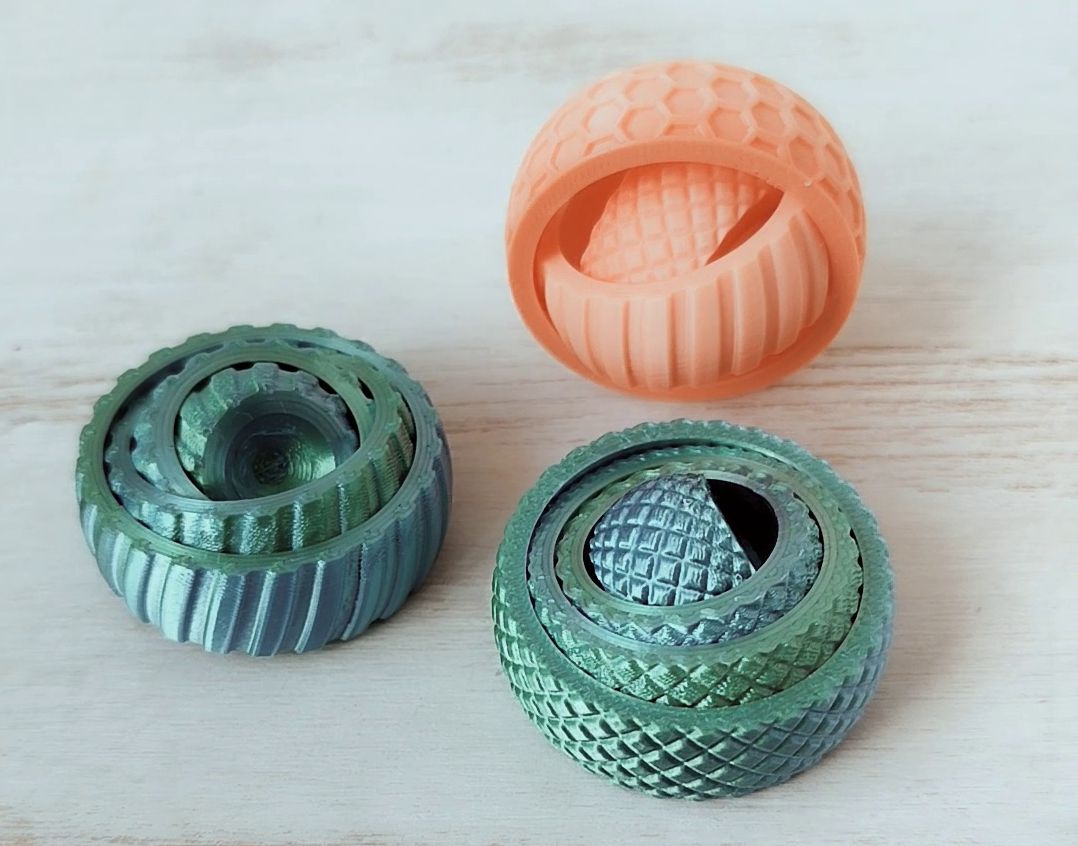
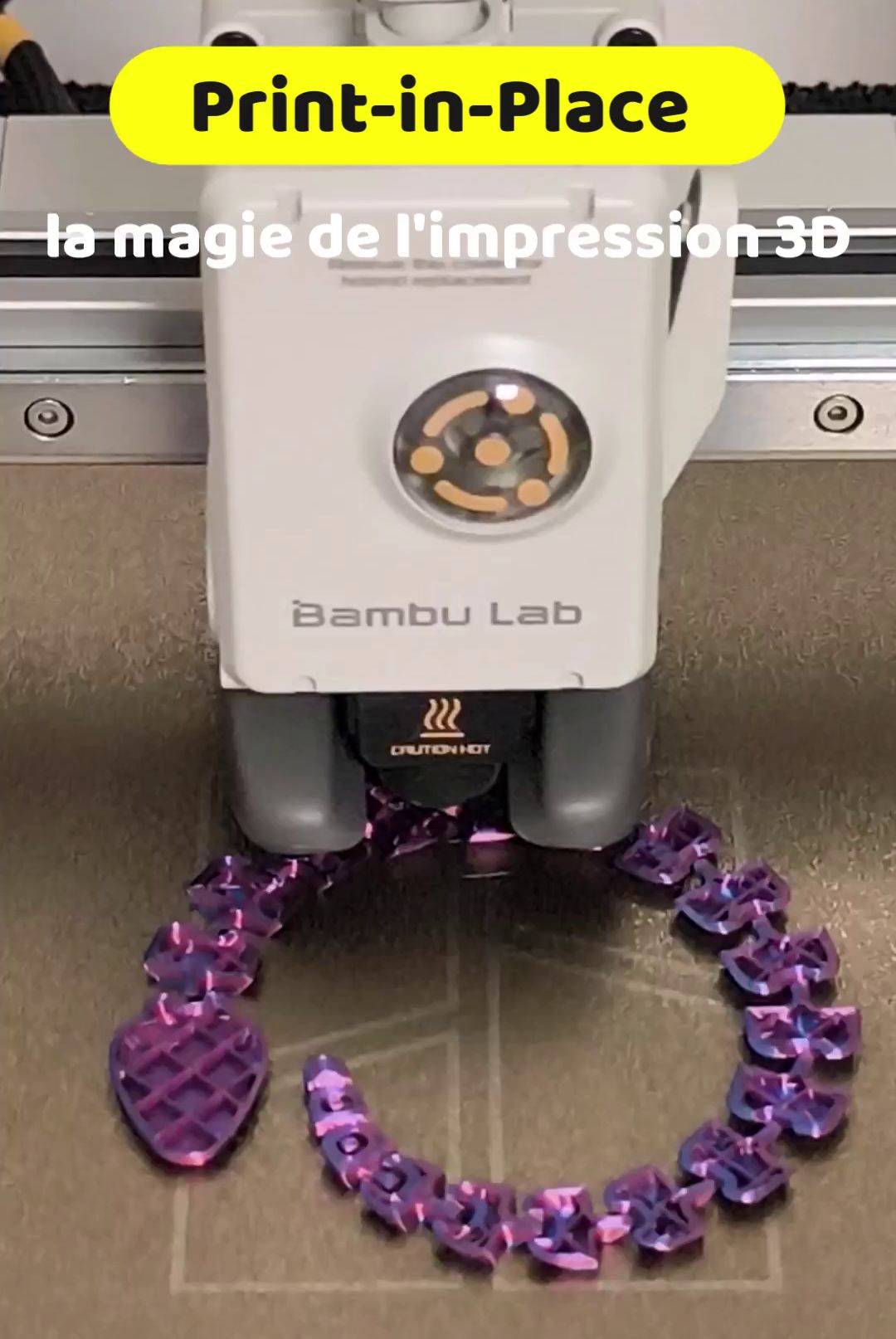
- Functionality in one piece: Most models are designed to be printed all at once, a technical achievement called "print-in-place". Parts are mobile straight off the build plate, with no assembly required.
The Key to Success: Precision
Success in printing a planetary gear relies on two fundamental elements:
- Tolerances: The system's proper function depends on a tiny gap between each part. It must be neither too loose (which would cause play) nor too tight (which would prevent movement). For most printers, a tolerance of 0.2 mm to 0.4 mm is ideal. This space ensures gears won't fuse during printing.
- Calibration: Your printer must be tuned to the millimeter. Make sure you have:
- A perfectly leveled build plate for uniform first layers.
- Correct extrusion flow and E-steps calibrated to avoid over-extrusion or under-extrusion.
Your Slicer Settings
- Print speed: Slow down your print. A speed of 30 to 40 mm/s is a good balance for optimal precision.
- Layer height: For fine details and smooth surfaces, a layer height of 0.12 mm to 0.2 mm is recommended.
- Material: For your first attempt, PLA is the best choice. It's easy to print with and delivers reliable results.
Once printing is done, sometimes a little force is all it takes to "unlock" the mechanism and watch the gears come to life. Printing a planetary gear isn't just a simple project—it's a milestone in mastering 3D printing and a celebration of engineering and creativity.