3D Printing and Firearms: Risks, Legal Issues & Safety

3D printing is a revolutionary technology that has transformed many industries, from medicine to aerospace, by enabling rapid prototyping and custom manufacturing. However, one of its most controversial applications is the production of firearms, often referred to as "ghost guns."
✅ The evolution of the technology
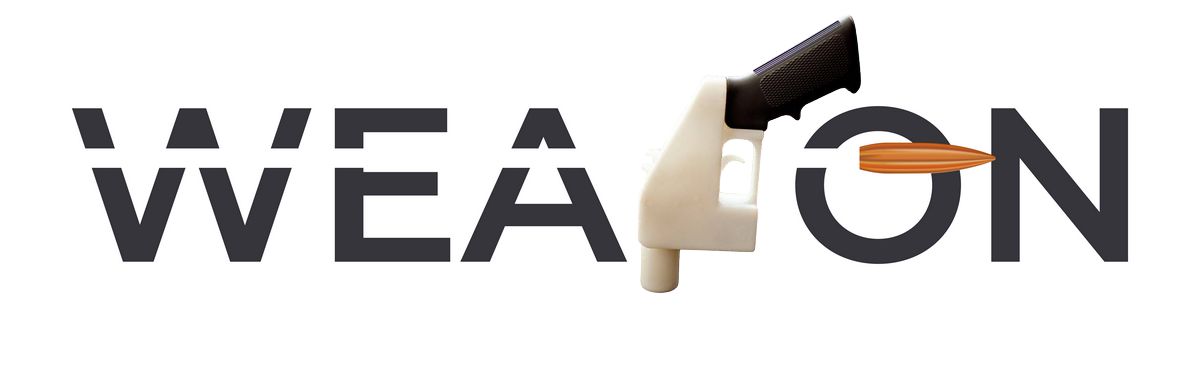
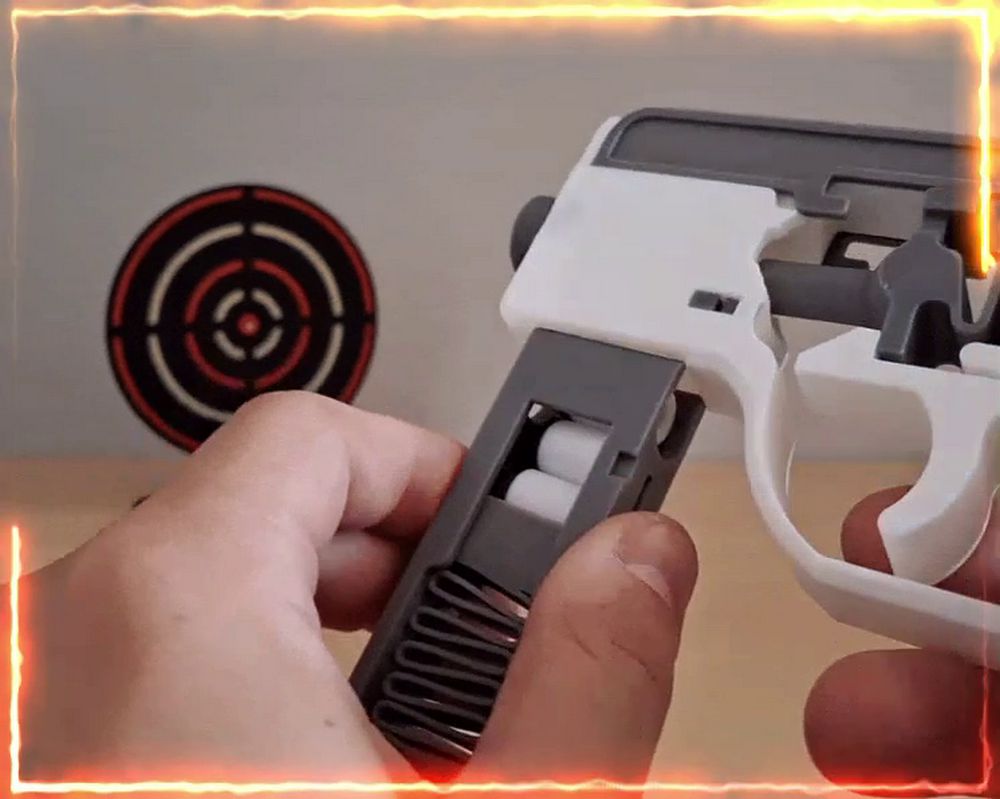
Public debate truly exploded in 2013 with the creation of the "Liberator," the first pistol model designed almost entirely for manufacturing with a desktop 3D printer. Since then, the technology has evolved. Today, it's extremely rare to find fully functional 100% plastic weapons, as they're too fragile. The trend is shifting toward hybrid weapons: non-critical components (such as the frame or grip, similar to the image you shared) are 3D printed with durable polymers, while parts subject to high pressures and temperatures (the barrel, breach, firing pin) remain metal.
✅ Technical challenges and user risks
From a purely technical standpoint, printing a firearm presents serious reliability issues. The plastic materials commonly used (such as PLA, ABS, or PETG) are not designed to withstand ballistic forces. Using a poorly designed weapon or one printed with unsuitable materials poses a major risk of catastrophic failure or explosion, putting the hands and face of the person attempting to use it in serious danger.
✅ A security and legal puzzle
The main challenge posed by these weapons isn't so much their performance, but their untraceable nature. Unlike commercially manufactured firearms, 3D printed or homemade assembled weapons typically lack serial numbers. Additionally, the sharing of digital files (3D designs) on the internet theoretically allows bypassing regulatory systems, such as background checks or criminal history screenings when purchasing a weapon.
Facing these issues, governments worldwide are adapting their laws. In most European countries, including France, the manufacture, possession, and even simply downloading or sharing functional 3D printed firearm designs are strictly regulated by weapons laws and subject to severe criminal penalties.
✅ In conclusion
3D printing remains a remarkable tool for creators, engineers, and technology enthusiasts. Nevertheless, its intersection with the world of weaponry illustrates the challenges posed by disruptive technologies when they escape traditional regulatory frameworks. Authorities continue to closely monitor these technological developments to ensure public safety.