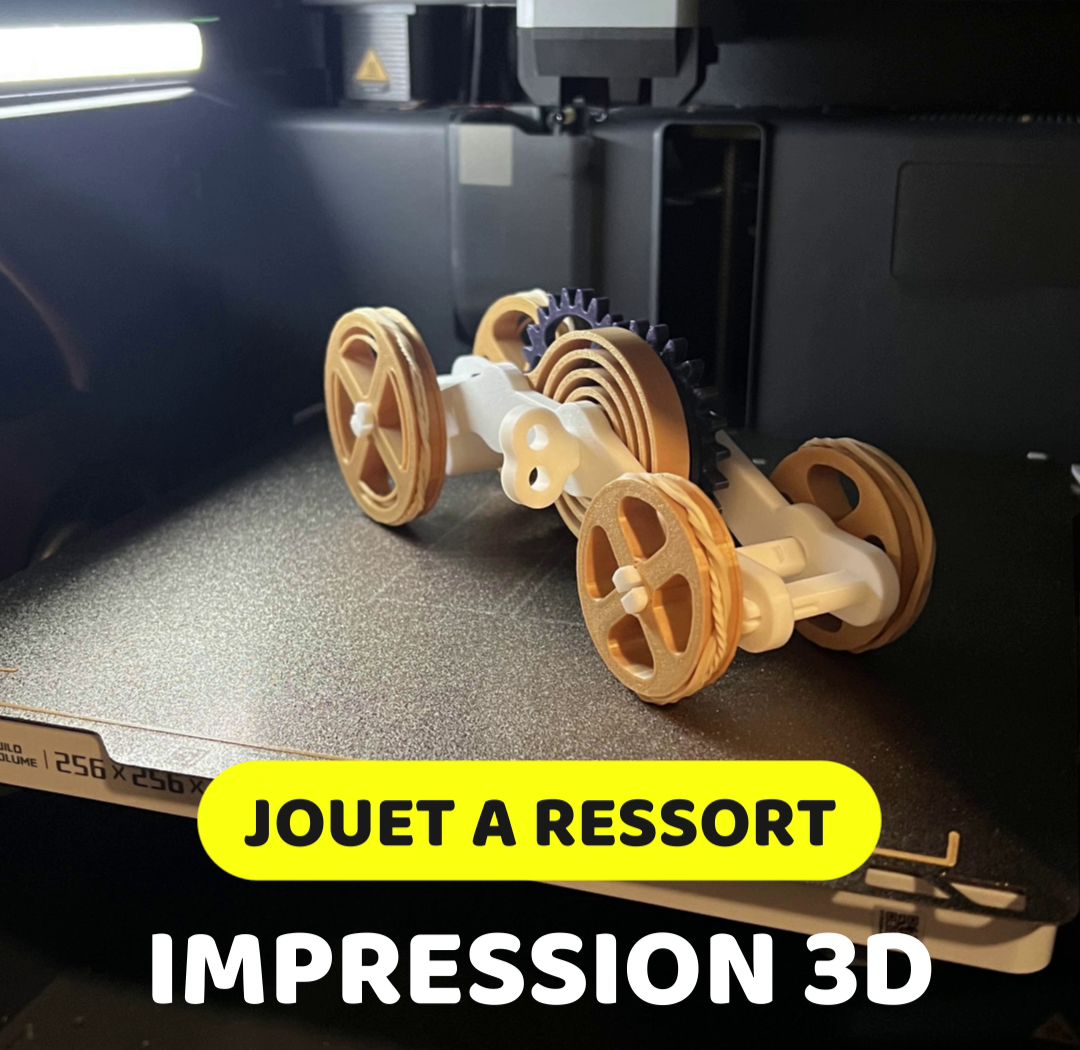
3D Printing a Spring Gun
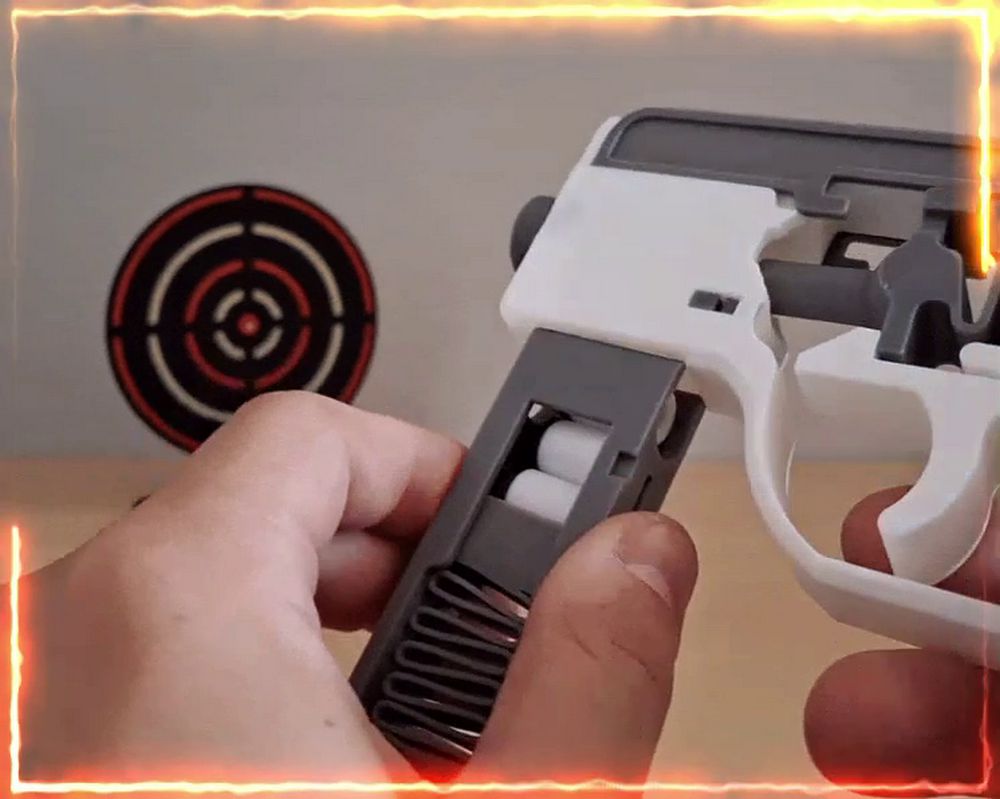
3D printing has enabled many enthusiasts and Makers to design and fabricate complex objects, including toys and functional mechanisms. The spring gun (often a foam projectile launcher or airsoft blaster) is a popular topic in the 3D community, as it represents an excellent challenge in plastic engineering.

(Image Source and 3D File: LucaDilo via MakerWorld)
Plastic Engineering: The Spring Challenge
The spring gun, or spring gun, is an excellent case study for additive manufacturing, as it requires several key 3D printing skills:
- Mechanical Resistance: A spring gun requires parts capable of withstanding the stress and repeated tension of an armed mechanism. Filament selection is crucial: PLA is often used for prototypes, but stronger materials like PETG or ABS are preferred for parts subject to high mechanical stress.
- Part Integration: The weapon body is 3D printed, but it must integrate standard non-plastic components (metal springs, pins, gaskets). 3D printing serves here to create the shell and internal mechanisms around these purchased parts.
- Spring Printing: While plastic springs can be modeled and printed (often in PLA for light-duty applications), they tend to sag or quickly lose elasticity. Design typically focuses on printing the weapon body, while a standard metal spring is inserted to ensure the mechanism's power and longevity.
Popular Applications: Airsoft, Blasters, and Toys
In the non-lethal recreational sphere, 3D printing of spring guns is common:
- Blaster Replicas (Sci-Fi/Cosplay): For science fiction fans (Star Wars, etc.), 3D printing allows detailed reproduction of fictional weapons that often require a small spring mechanism to simulate firing or ejection.
- Airsoft Parts (Accessories): 3D printing is widely used to create accessories (custom stocks, ergonomic grips, decorative magazines, handguards) for airsoft replicas, or to replace broken plastic parts on existing launchers.
- Toys and Educational Kits: Companies like Bambu Lab have offered kits to build "toy guns" or Toy Shooters that fire small foam darts, serving as educational projects to learn mechanics and 3D printing.
Legal and Ethical Framework: A Clear Line
It is crucial to distinguish between a spring toy and a firearm:
- 3D Printed Firearms: Manufacturing, possession, and distribution of firearm plans (even partial ones, such as functional frames or magazines) are strictly regulated and illegal in France and many countries without an armorer's license. These weapons, often hybrids combining 3D parts and metal components (barrel, striker, powerful springs), are classified as Category A or B weapons.
- French Law: The French legal framework is clear: weapons produced by 3D printing are subject to the same laws as conventional firearms. Illegal manufacturing carries severe criminal penalties.
- The Maker Code of Conduct: STL file-sharing platforms and Maker communities generally have strict ethical rules that prohibit distribution of plans for functional firearms, ammunition, or anything that could violate the law.
In conclusion, 3D printing is a wonderful tool for engineering and creating toys, sci-fi replicas, and accessories for recreational launchers (Airsoft/Nerf). However, it places users under absolute legal and ethical responsibility, especially regarding the manufacture of any object that could be considered a lethal or dangerous weapon under the law.