When 3D Printing Conquers Space 🚀

For decades, building a rocket was a process of industrial craftsmanship: long, expensive, and requiring thousands of individually machined parts assembled by hand. But a new era has begun. Far from being a simple prototyping gadget, additive manufacturing (3D printing) has become the backbone of "New Space", enabling technical feats deemed impossible just ten years ago.

✅ Why 3D Print Rockets?
The adoption of 3D printing by giants like SpaceX or challengers like Relativity Space isn't following a trend—it answers three critical imperatives of aerospace engineering:
1. Geometric Complexity (The "Impossible Design")
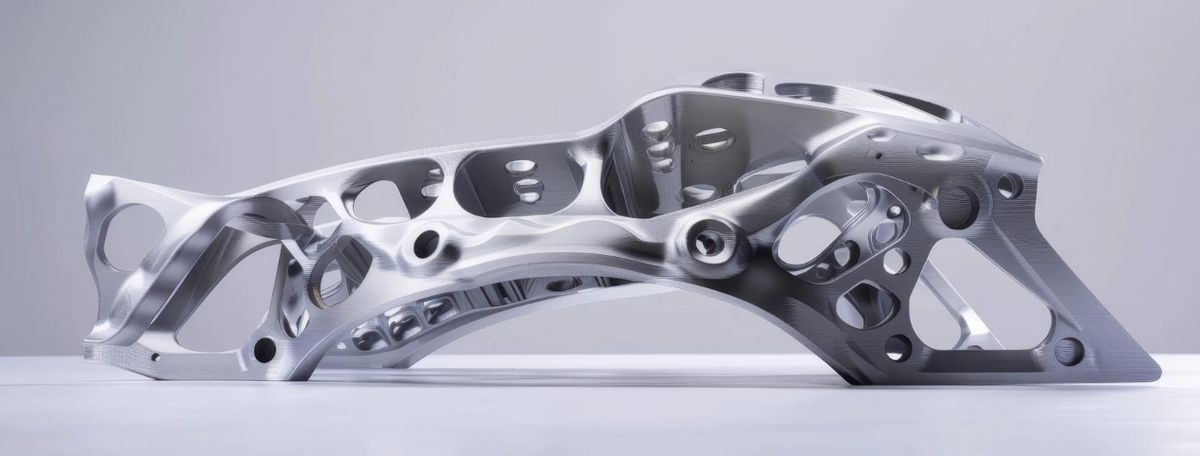
This is the decisive advantage. In a rocket engine, the walls of the combustion chamber must be constantly cooled by fuel (often cryogenic) circulating through tiny channels before being burned.
-
Traditional Method: Machining these channels is a technical nightmare requiring hundreds of welds.
-
With 3D Printing: You can "grow" the metal with the channels already built into the wall in a single piece. This enables more efficient and lighter designs.
2. Part Consolidation
Where a classic engine injector might require more than 100 separate parts (screws, seals, plates) that had to be assembled, 3D printing allows it to be manufactured as one solid block.
-
Result: Fewer potential failure points, less weight, and a radically simplified supply chain.
3. Production Speed
The development cycle drops from several months (or even years) to a few weeks. If a design fails during testing, engineers modify the CAD file and reprint the part in days.
✅ The Pioneers of the Revolution
Rocket Lab: Proof of Concept
The New Zealand/American company Rocket Lab was one of the first to standardize this process. Its engine, the Rutherford, is almost entirely 3D printed by laser fusion.
-
Performance: It takes roughly 24 hours to print the main engine components.
-
Reliability: With hundreds of motors having flown successfully, they proved that 3D printing isn't "fragile".
SpaceX: Tactical Use
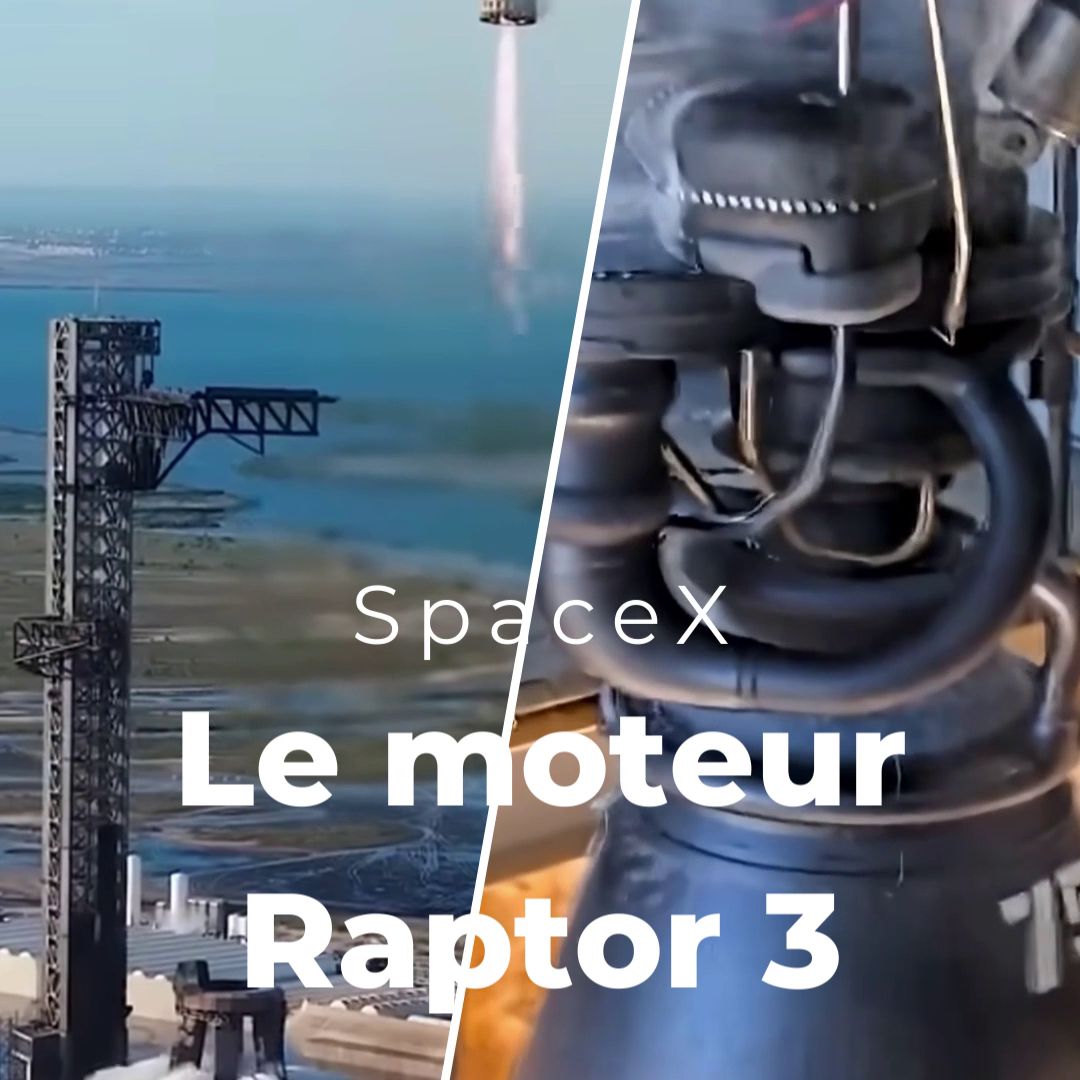
Elon Musk and his teams use additive manufacturing surgically. The SuperDraco engines, which serve as an emergency safety system for the Crew Dragon capsule (which carries astronauts to the ISS), are printed in Inconel (a superalloy).
-
This method makes it possible to create an ultra-resistant combustion chamber capable of withstanding massive pressures instantly.
Relativity Space: The Radical Bet
The boldest player of all. Their Terran 1 rocket (launched in March 2023) was 85% printed by mass. Unlike others who print small complex parts (engines), Relativity prints the massive tank and fuselage structure.
-
They use giant printers called Stargate, which melt metal wire (WAAM process) to build the rocket layer by layer.
-
Though the first flight didn't reach orbit, it proved that the printed structure could withstand maximum dynamic pressure (Max-Q), validating the concept.
✅ Materials: Beyond Plastic
Forget the plastic of our desktop printers. Aerospace uses methods like DMLS (Direct Metal Laser Sintering) or WAAM (Wire Arc Additive Manufacturing) with cutting-edge metal powders and wires:
-
Inconel: A nickel-based superalloy able to maintain mechanical strength at extreme temperatures.
-
Copper Alloys (e.g., NASA's GRCop-42): Used for combustion chambers because they conduct heat extremely well, preventing the engine from melting, while being strong enough to print.
✅ The Future: Printing on Mars?
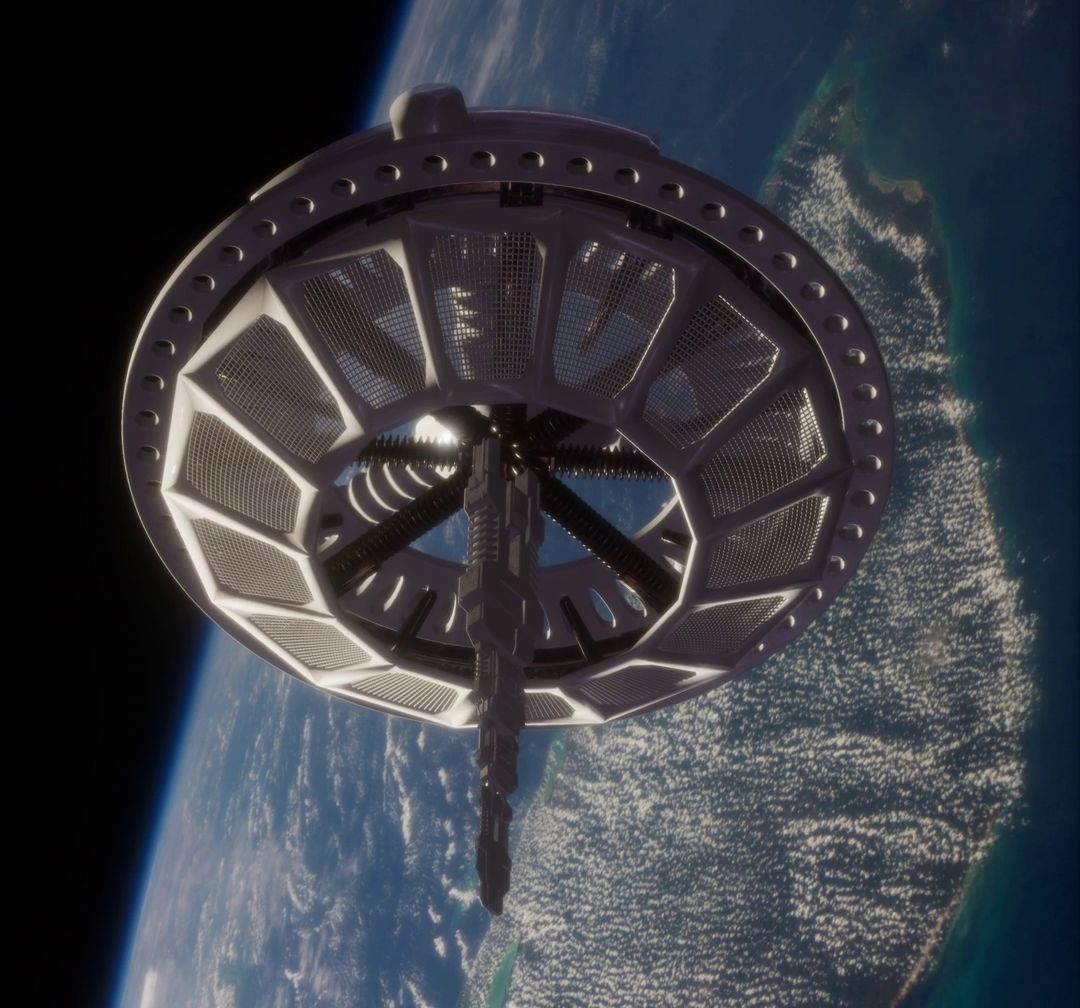
The ultimate step isn't printing rockets on Earth, but doing it in space. NASA and ESA are working on in-situ manufacturing concepts. If we ever want to colonize Mars, we can't bring every spare part. We'll need to print them on location, potentially using Martian regolith as raw material.
3D printing has transformed the aerospace engineer into a sculptor of metal, freeing design from the constraints of traditional machining. The question is no longer if future rockets will be printed, but what proportion of the rocket will be.