3D Printing in Anthropology
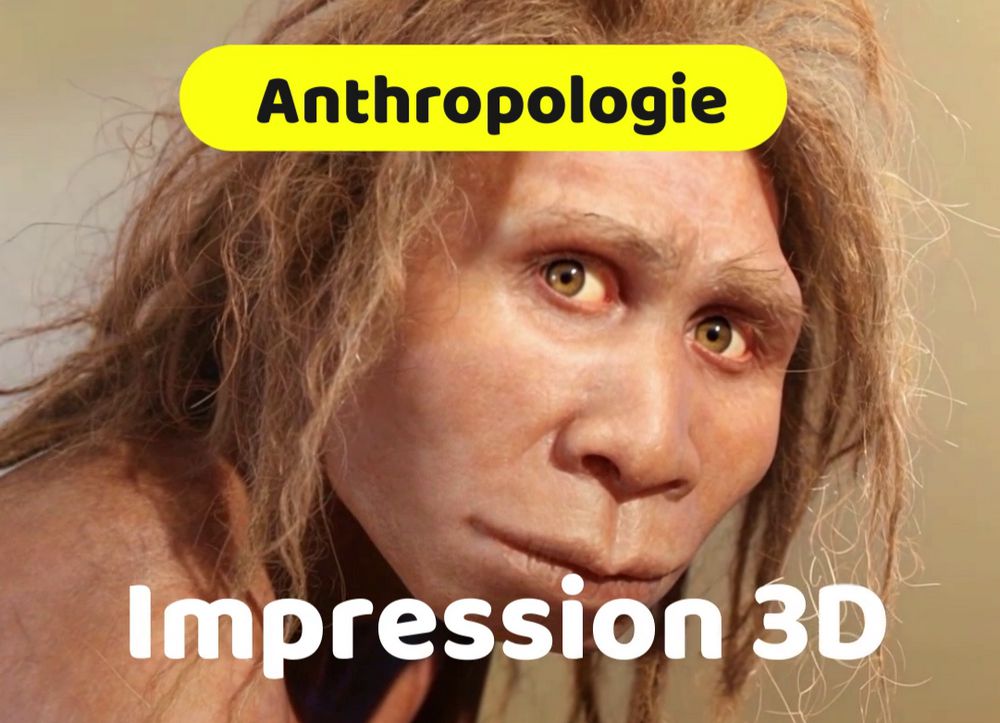
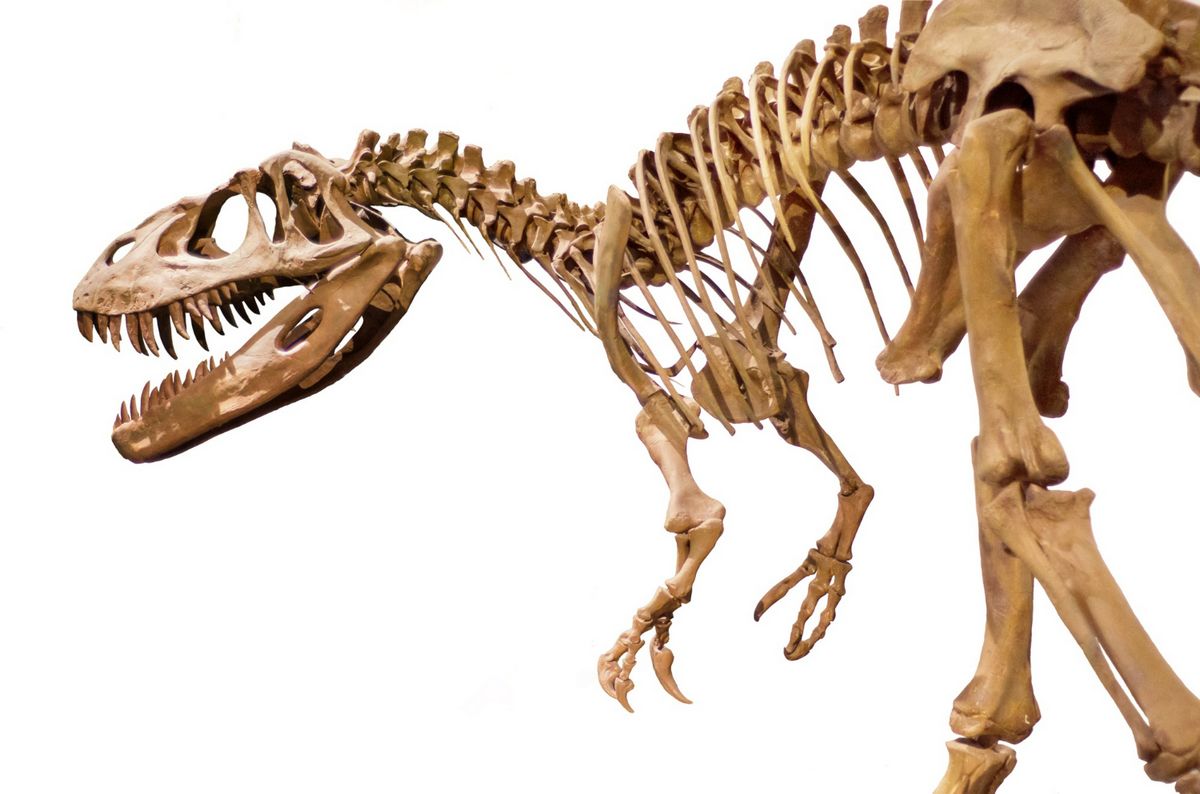
In physical anthropology and archaeology, 3D printing is a fundamental tool, as it resolves the constant dilemma between the need to study rare artifacts and the need to preserve them. It acts as a bridge between the fragility of human remains and fossils and the robustness required for scientific research.

Preservation and Access to Fragile Treasures
The primary use of 3D printing is the preservation and democratization of access to major discoveries:
-
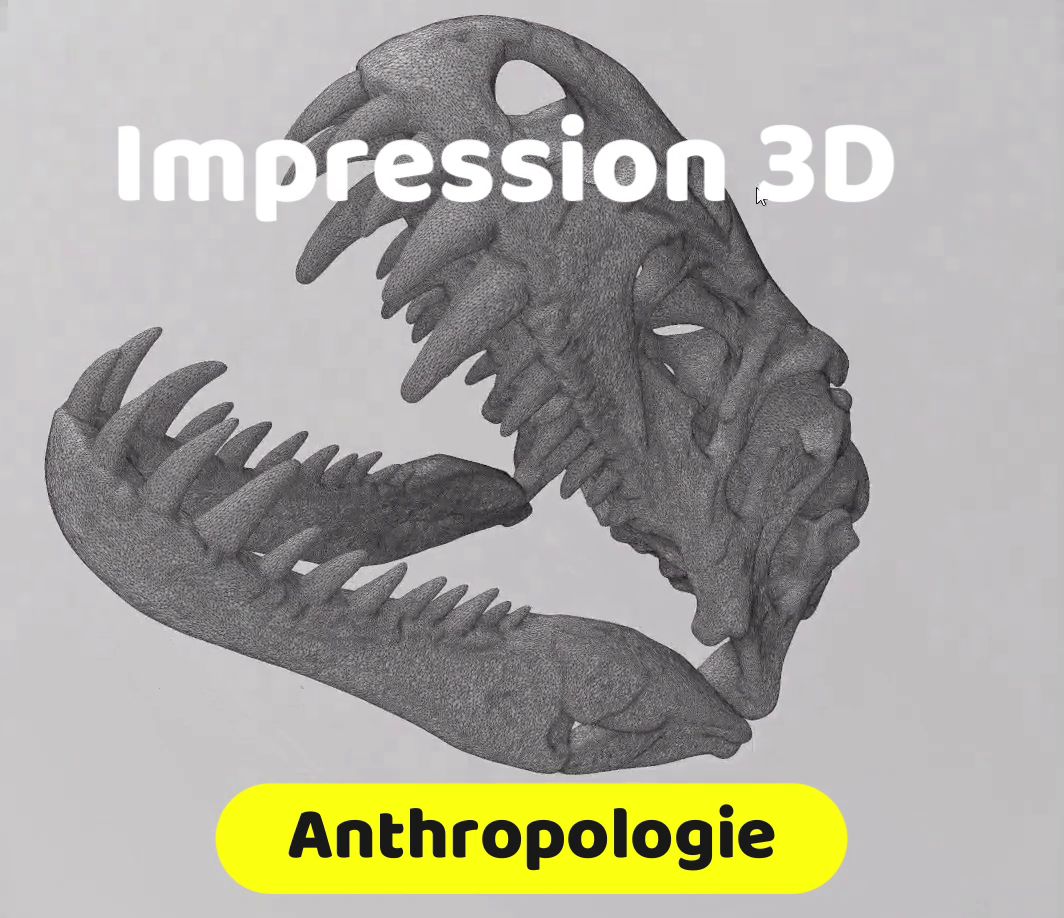
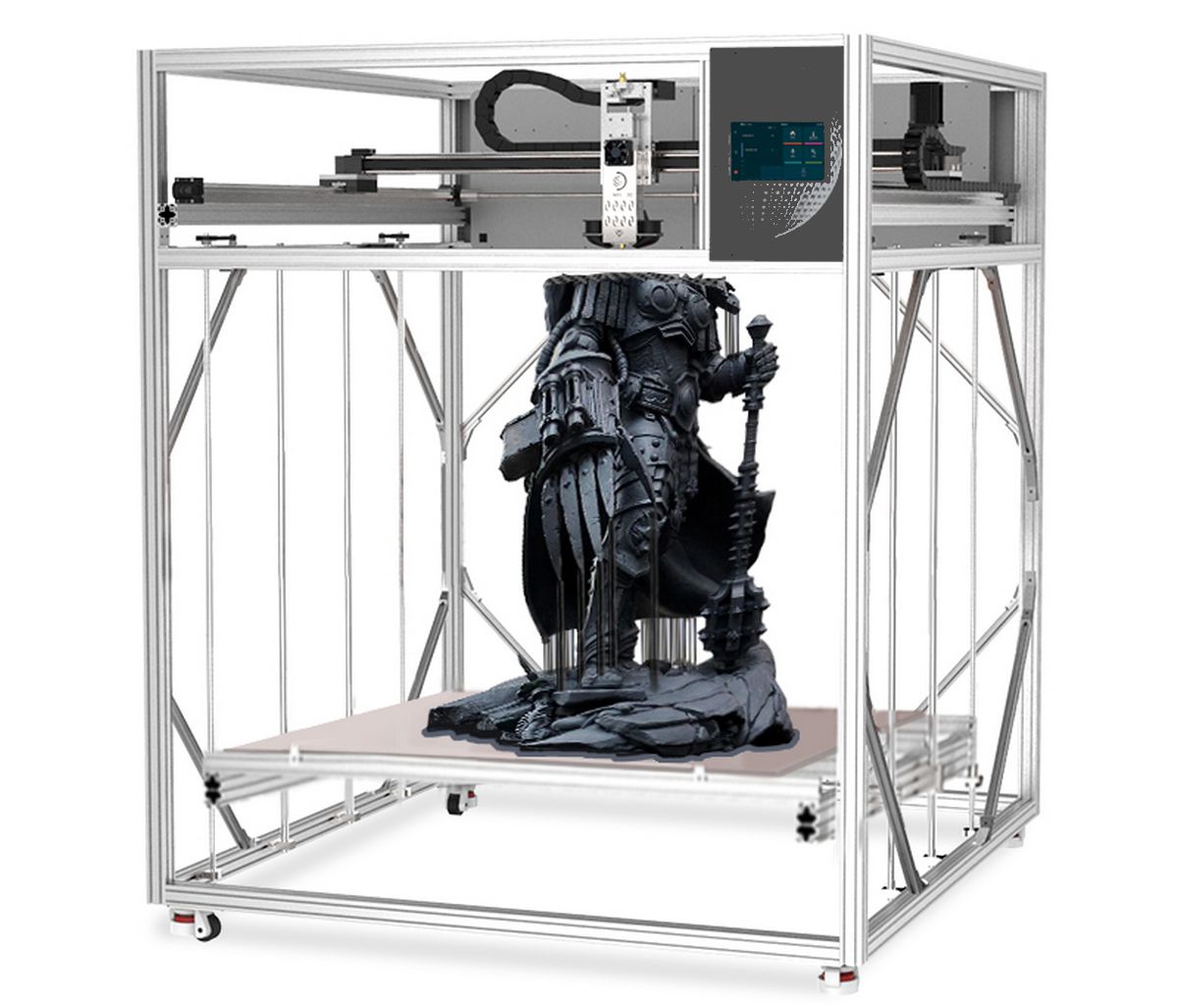
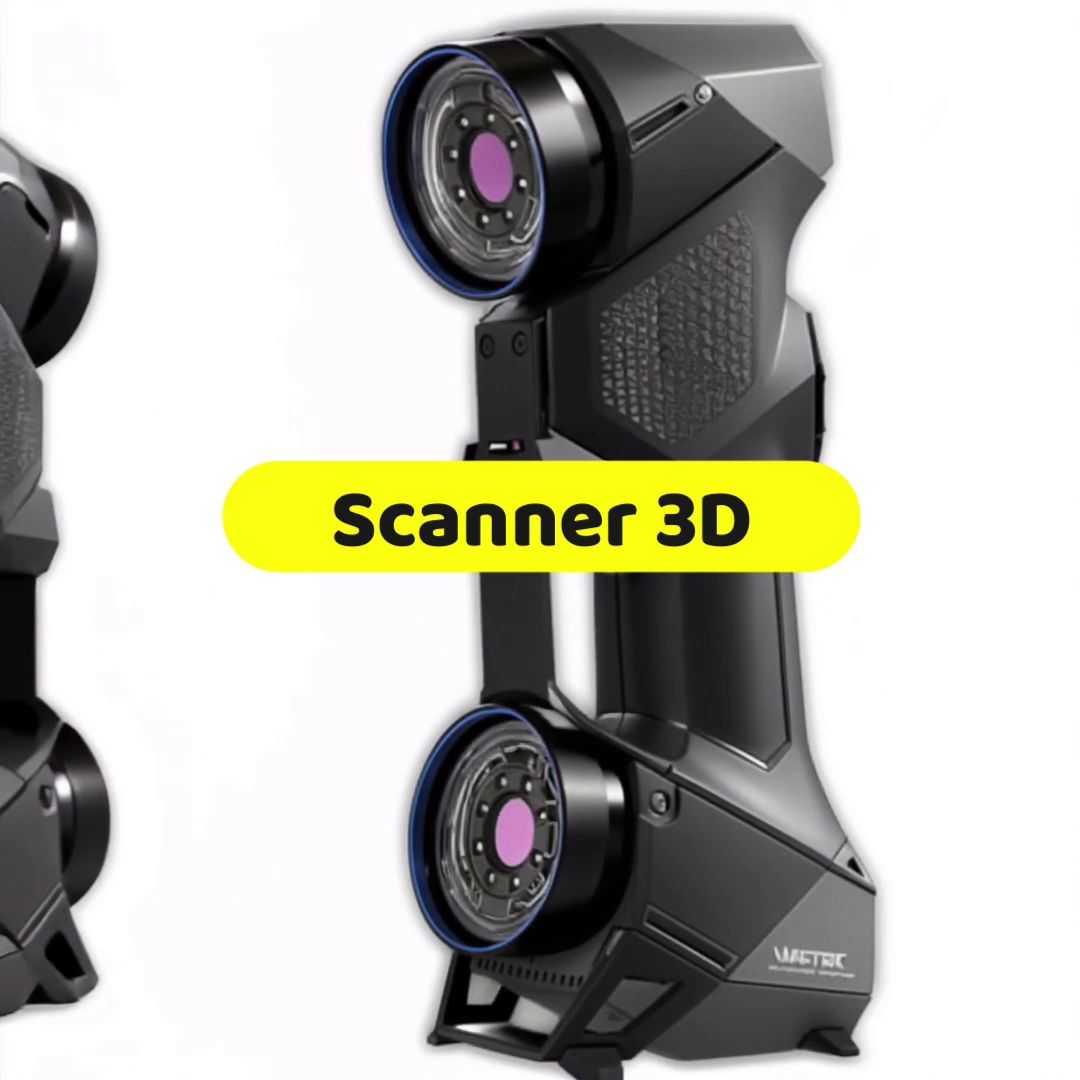
Creating Secure Replicas: When a fossil or skull is extracted, it is immediately scanned (by 3D scanner or photogrammetry). This digital file becomes the "digital twin" of the object, recording its exact state. Researchers then print robust replicas.
-
Protecting Originals: The original object, often irreplaceable and extremely fragile (particularly ancient fossils), can be stored under optimal conditions, no longer subjected to the risks of handling, measurement, or transport.
-
Global Sharing: Digital files can be shared instantly with researchers worldwide. A team in France can print a replica of a fossil discovered in South Africa and study it at the same time as the local team.
Analysis and Research: Enhanced Precision
Printing artifacts allows for improved study methods:
-
Non-Destructive Handling and Measurement: Anthropologists can measure, mark, and manipulate printed replicas without any fear of damaging the original. This is essential for complex morphometric analyses.
-
Virtual and Physical Reconstruction: For fragmented or deformed skeletons, researchers first work virtually to "repair" the skull digitally. They then print the reconstructed model, which validates the reconstruction hypothesis and provides a complete physical model for study.
-
Easy Comparison: It is simple to print at the same scale specimens from different periods or regions (for example, a Homo erectus skull and a Homo sapiens skull) for direct comparative study.
Museology and Education: Making History Tangible
3D printing is revolutionizing how the public and students interact with human history:
-
Tactile Exhibits: Museums can present replicas that the public is allowed to touch. This is a major asset for visually impaired individuals or for educational programs.
-
Educational Materials: Schools and universities can equip themselves with complete collections of anthropological models (hominids, bone pathologies) at a fraction of the cost of traditional resin models.
3D printing has become an essential component of anthropology, transforming research and education by providing precise, accessible, and respectful tools for our historical heritage.