3D Printing in Paleontology: Bringing Ancient Giants Back to Life 🦕
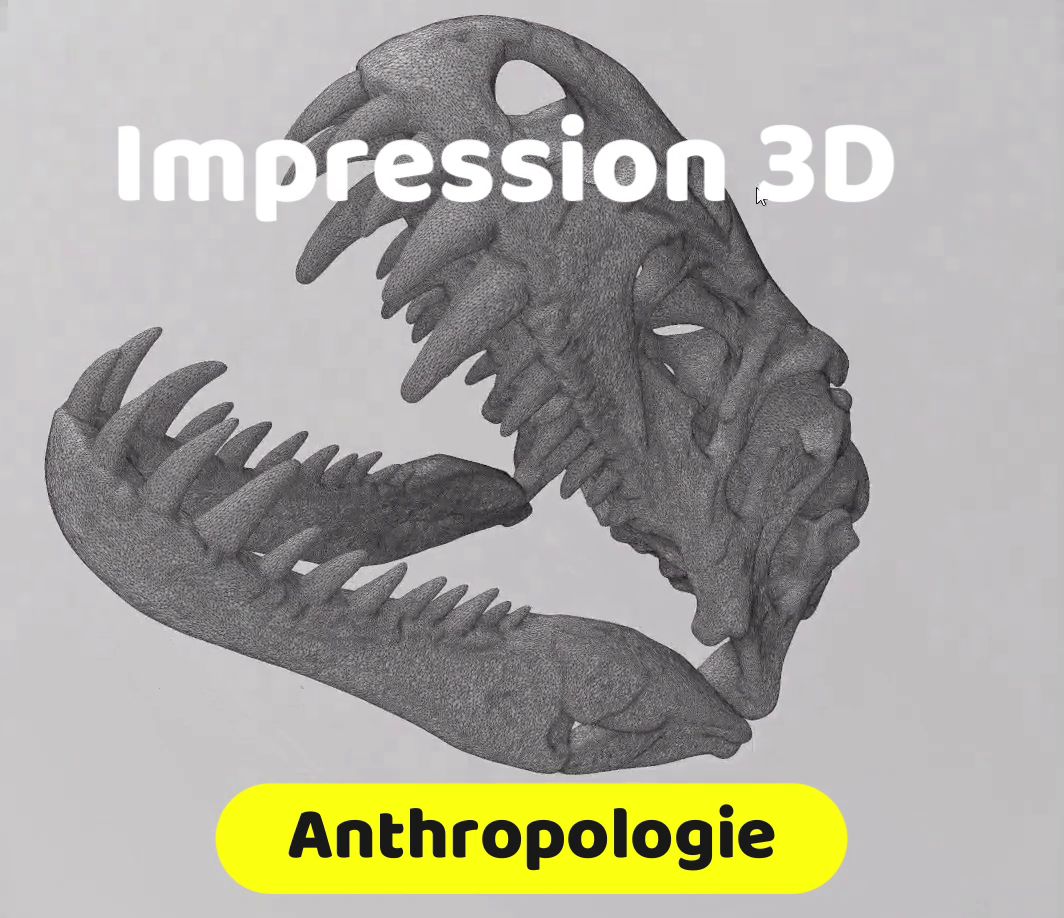
Paleontology, the science of studying ancient life forms through fossils, faces constant challenges of fragility, rarity, and logistics. 3D printing is now an essential technology that allows paleontologists to overcome these obstacles, transforming delicate discoveries into robust objects for study and accessible to researchers worldwide.

Preservation and Global Access to Rare Fossils
Fossils are irreplaceable archives. 3D printing ensures their preservation while democratizing their study:
-
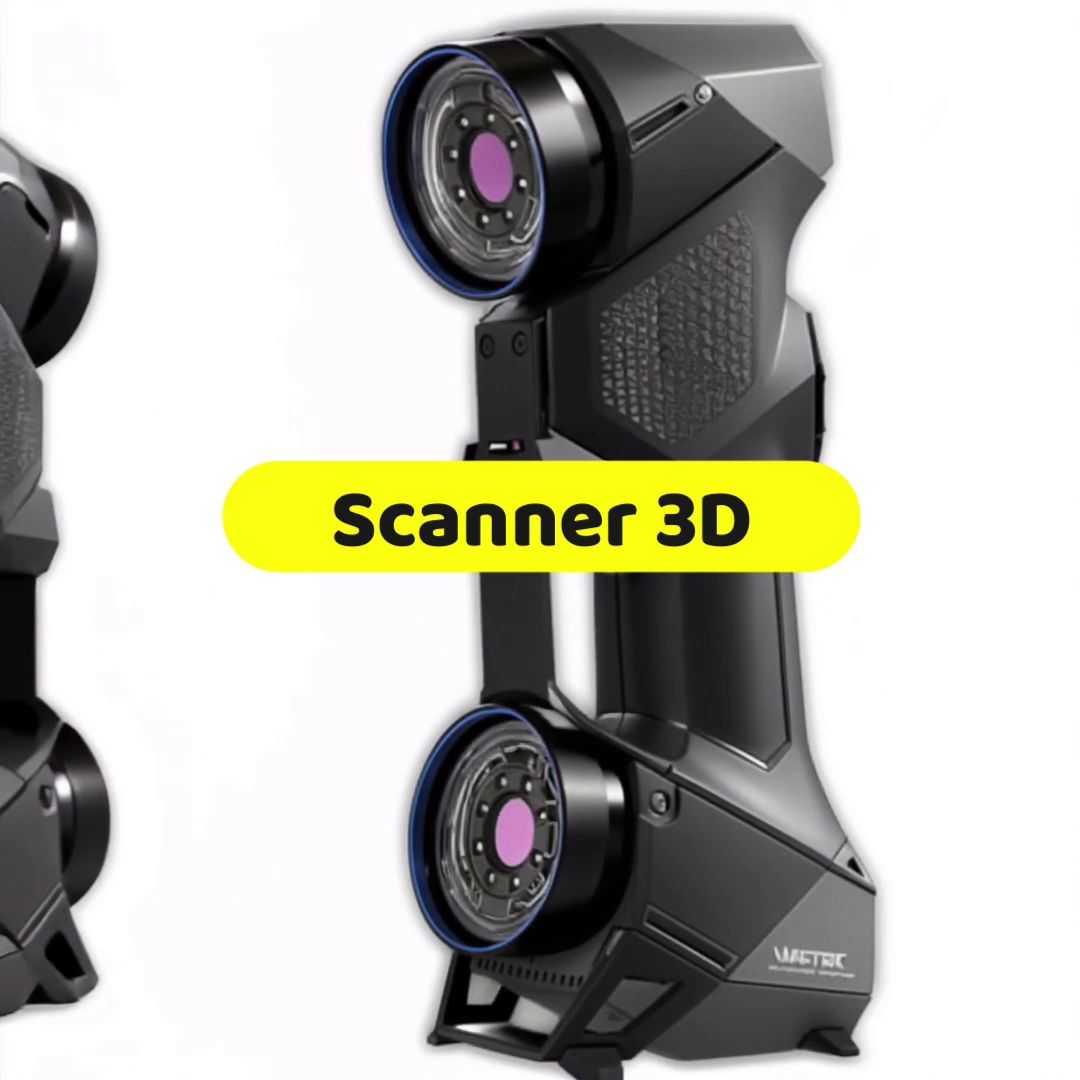
Precise Digitization: A fossil, often too fragile to handle or transport, is scanned with sub-millimeter precision. This digital file (STL) becomes the reference original, preserving its information for eternity.
-
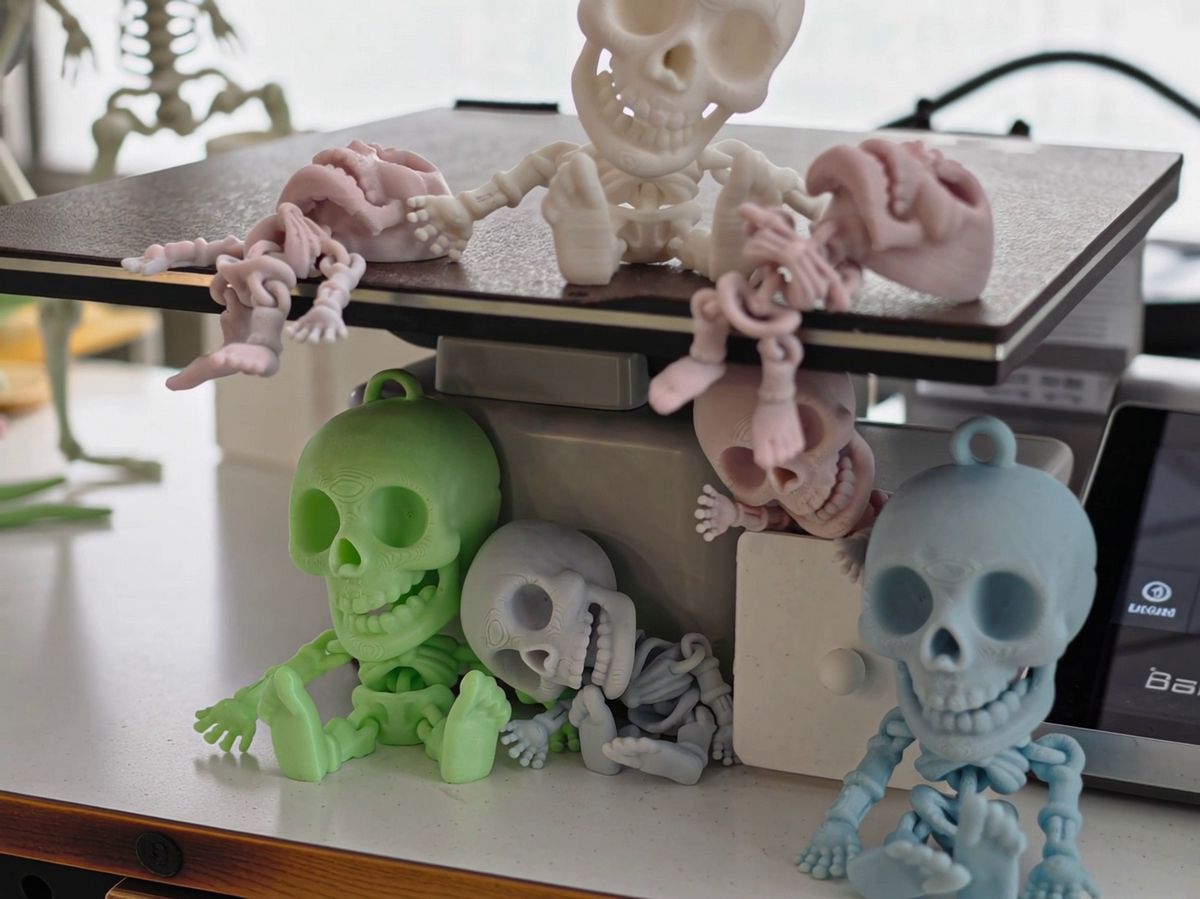
Secure Replication: Researchers then print working replicas in polymer (PLA or resin). These copies can be studied, measured, and even damaged without compromising the original fossil, which remains safe in a controlled environment.
-
International Collaboration: A unique fossil can be scanned in the country of its discovery, then the file sent to research teams on different continents. Each team can print an exact copy and work simultaneously, accelerating research.
Reconstruction and Virtual Assembly
Fossilized skeletons are rarely found intact. 3D printing allows solving the puzzle of reconstruction:
-
Virtual Restoration: Paleontologists use software to digitally "assemble" skeleton fragments. They can also digitally mirror a well-preserved bone (such as a left limb) to create a replica of the missing bone (the right limb).
-
Physical Validation: Once the virtual reconstruction is complete, the structure or complete skeleton is 3D printed to scale. This allows for physical validation of bone position and articulation, providing tangible proof of the anatomical hypothesis.
Non-Destructive Study of Internal Structures
3D printing, combined with medical imaging, reveals the invisible:
-
Micro-CT Scan: Small fossils or fragments can be scanned with micro-CT (computed tomography scanner). These scans reveal internal structures (nerve channels, blood vessels, brain cavities) without having to cut or destroy the fossil.
-
Printing Internal Structures: Scan data is segmented and internal structures (for example, a dinosaur's brain) are printed alone. This provides researchers with a physical model to study aspects of the biology or behavior of an extinct organism.
Museology and Science Outreach
The impact of 3D printing is essential for public education:
-
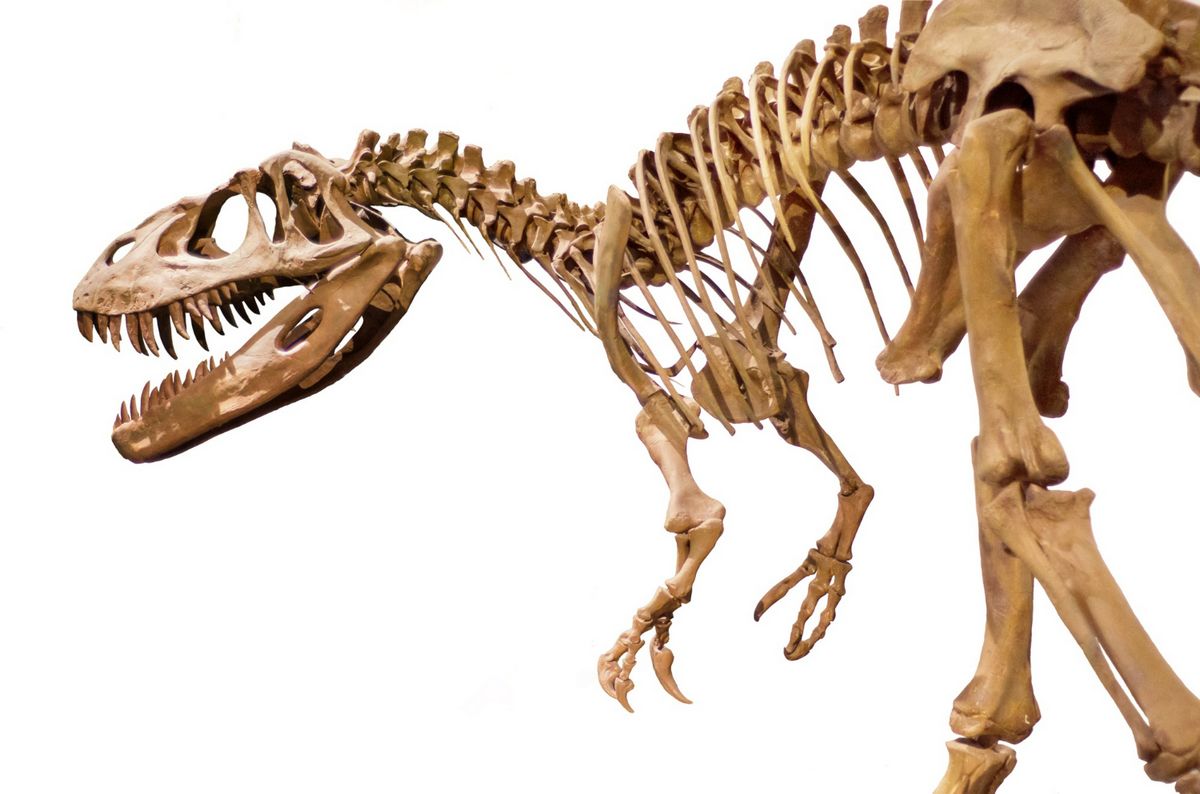
Giant Skeleton Assembly: 3D printing allows reproducing missing pieces in a dinosaur skeleton. Museums can present complete, impressive and accurate displays without having to use original fossils that are too heavy or fragile.
-
Accessibility: Museums can create stations where the public is allowed to touch and handle replicas of Megalodon teeth or Velociraptor claws, making paleontology interactive and accessible.
3D printing is a catalyst that not only preserves discoveries but also accelerates the interpretation of fossils, allowing scientists to reconstruct and understand life on Earth millions of years ago.