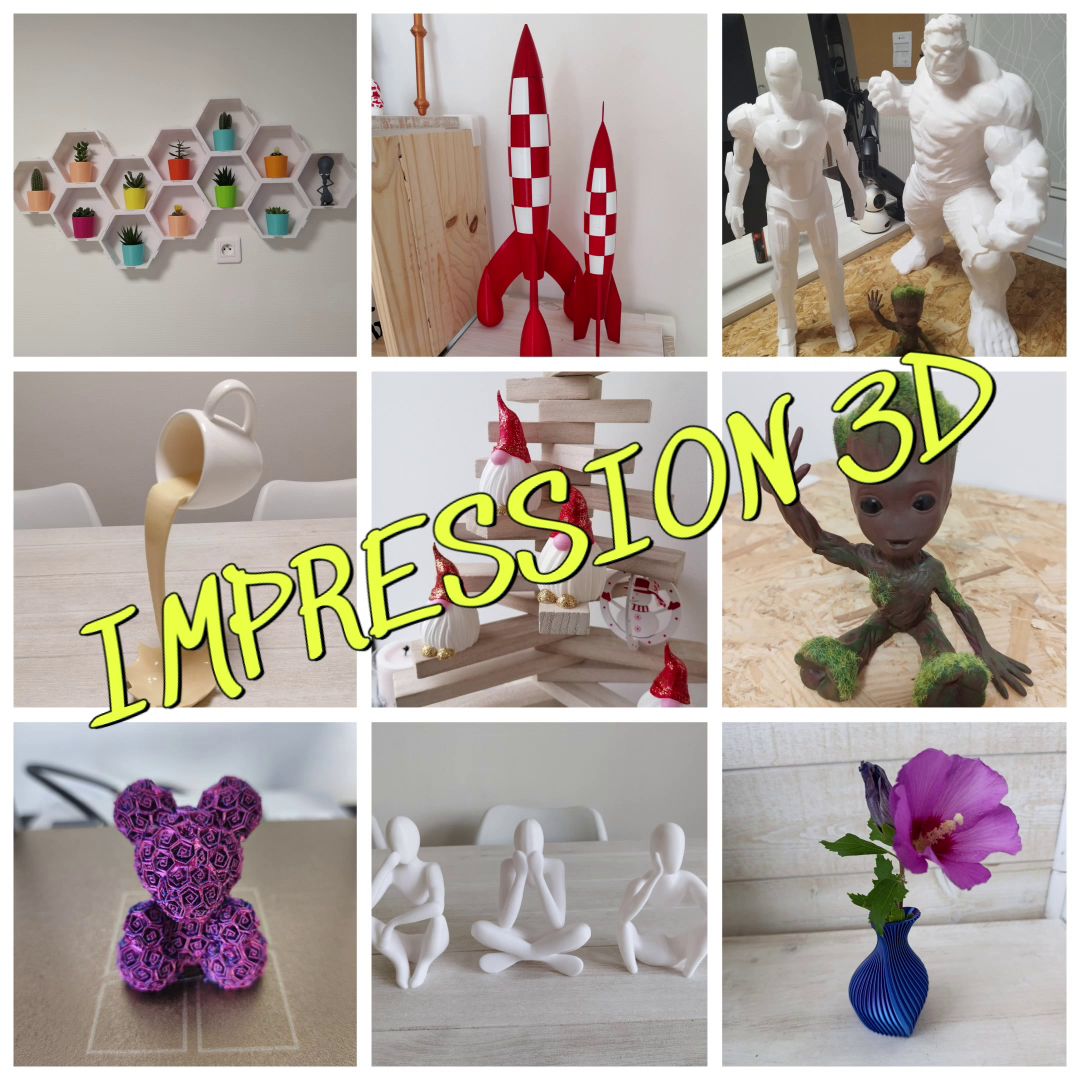
Incredible but True 👀 ! 3D Printed
When 3D Printing Redefines Architecture Models
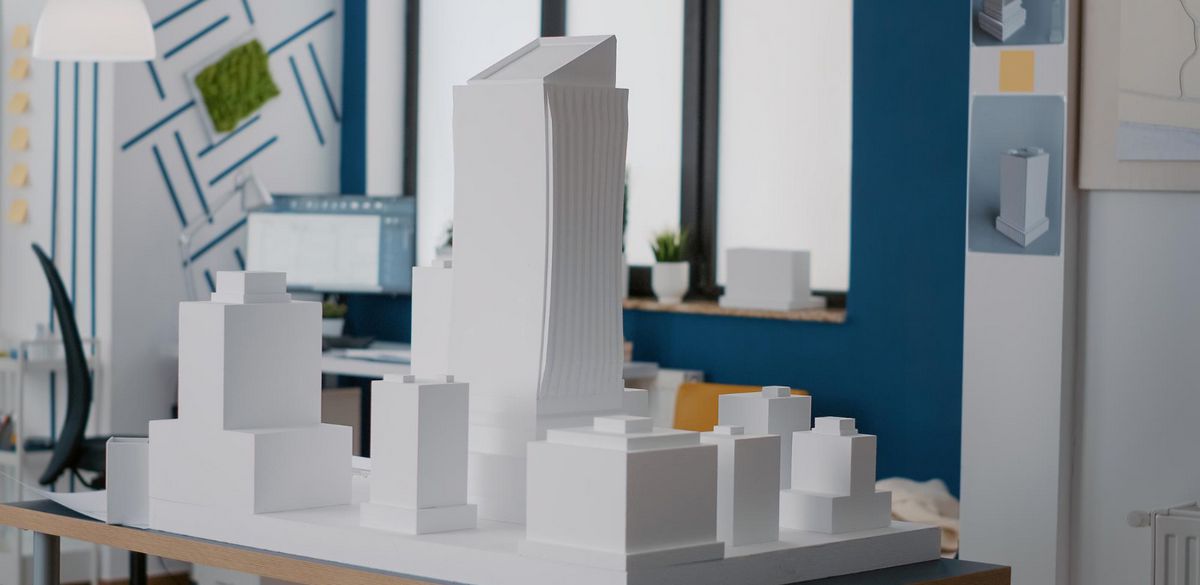
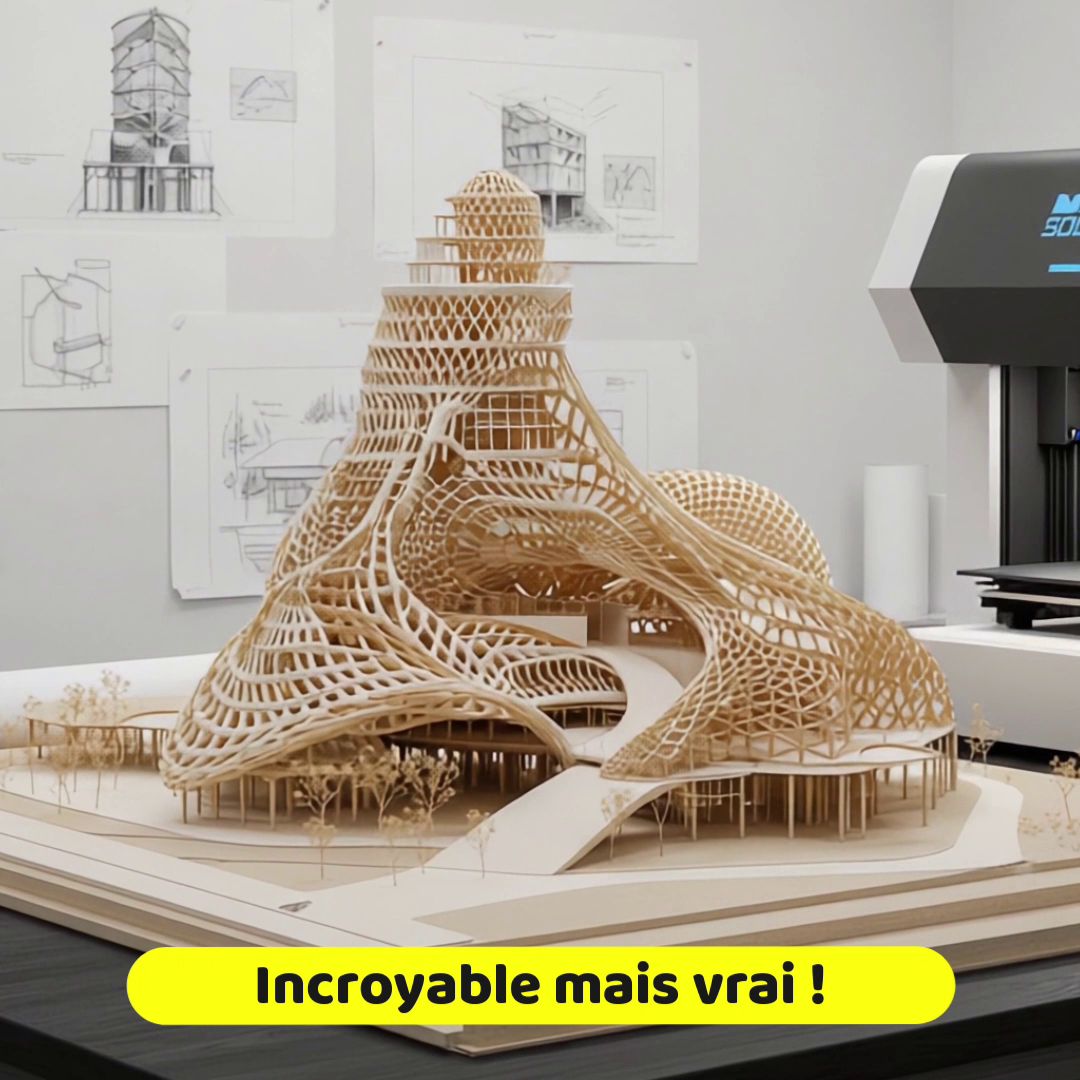
"You'll never believe that's 3D printed!" This exclamation, often reserved for complex or artistic objects, takes on its full meaning when it comes to architecture models. Far from being simple toys, these faithful representations of buildings, cities, or landscapes are now being revolutionized by 3D printing, transforming concepts into miniatures of stunning precision and realism.

The Model: From Concept to Tangible Reality
In the world of architecture, the model is an essential tool. It allows you to visualize a project in three dimensions, to test volumes, proportions, and integration into the environment. 3D printing elevates this art to a higher level:
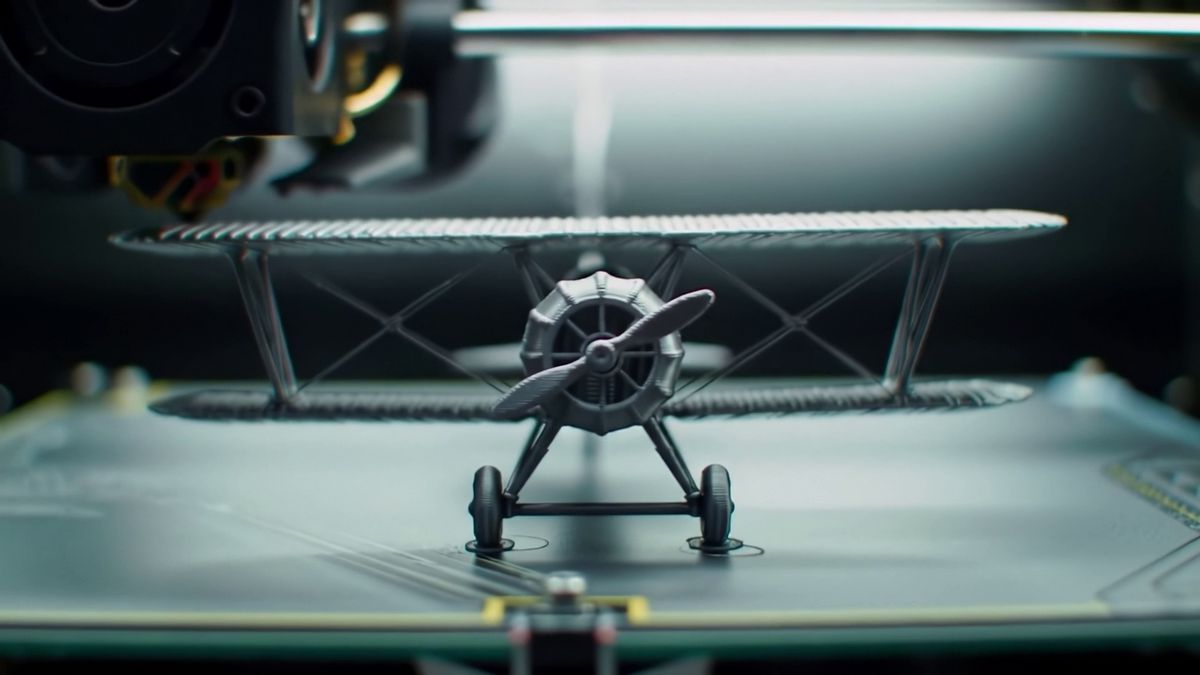
- Unprecedented precision and complexity: No more tedious manual cutting. The 3D printer reproduces with millimeter accuracy the smallest details: windows, balconies, roofs, ornaments, and even facade textures. Organic shapes or complex curves, once impossible to create by hand, become reality.
- Speed of production: What once took days or weeks of skilled craftsmanship is now printed in just a few hours. This speed allows architects to test multiple iterations of their concepts, make modifications, and obtain physical prototypes in record time.
- Reduced costs: Compared to traditional methods that require a lot of skilled labor, 3D printing reduces the manufacturing costs of models, making this technology accessible to firms of all sizes.
A Palette of Materials for Enhanced Realism
3D printing is no longer limited to simple plastic. Many materials are used to bring models to life:
- PLA: Basic material, it's perfect for preliminary models and rapid prototypes. It's easy to print and can be painted.
- Resin (SLA): Ideal for detailed models, it offers a smooth surface and incredible precision, reproducing the smallest architectural elements.
- Composites: Filaments loaded with wood powder, stone, or metal can be used to give a more realistic look and feel to certain parts of the model.
- Multi-material and multi-color printing: Advanced printers allow you to integrate different colors or textures in a single print, simulating real materials (glass, concrete, metal) without needing to paint.
Applications That Push Boundaries
3D printed models are used far beyond architects' offices:
- Client presentations: They offer complete immersion in the project, helping clients better visualize and understand the future construction.
- Urban planning and development: Entire portions of cities are printed to simulate urban plans, traffic flows, or environmental impacts.
- Heritage restoration: 3D printing is used to recreate missing parts of historical monuments or to document archaeological sites in miniature.
In conclusion, 3D printing is much more than a tool for architecture models; it's a true creative partner. It transforms the way architects design, present, and interact with their projects, proving that a simple print can contain the essence of grand architectural achievements.