What You Expect From Your 3D Printer in 2026
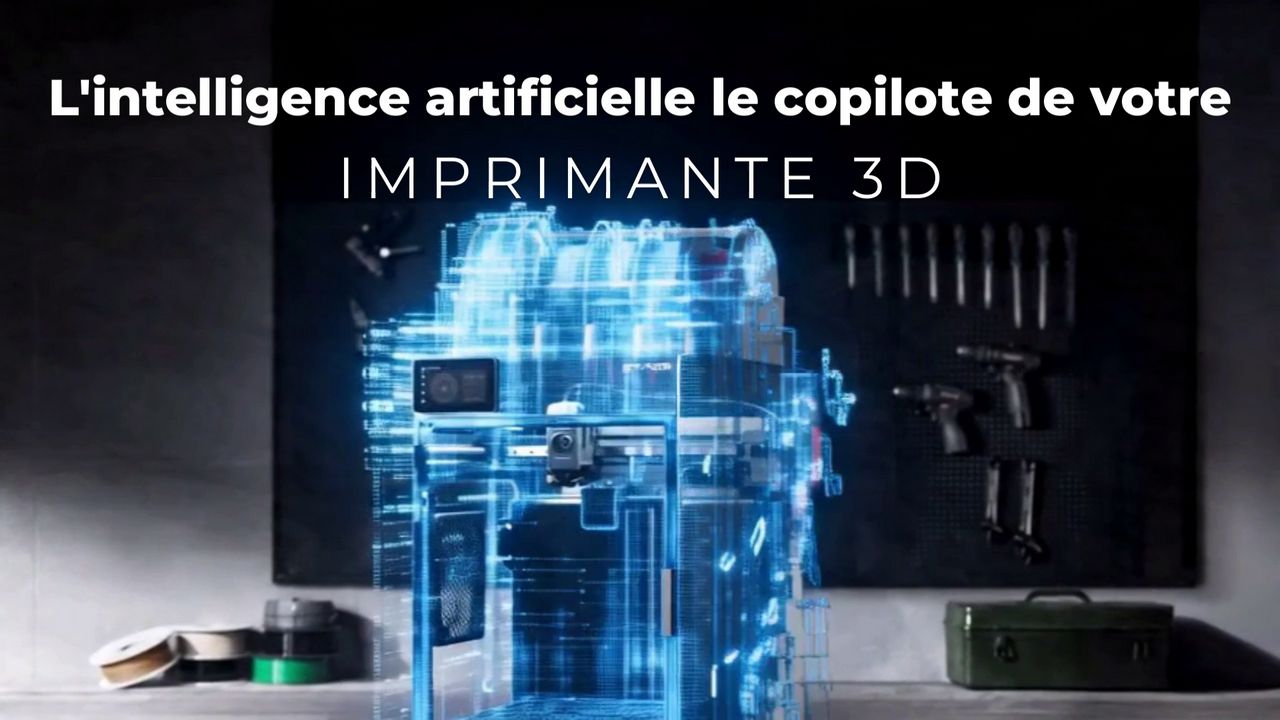
By 2026, home 3D printing reaches "maturity". We're no longer talking about adjusting belts or struggling with build plate adhesion, but about professional results in your living room.

✅ The "Sentinel" AI: Zero Failure Becomes Real
By 2026, onboard electronics no longer just control motors—they become a genuine safety net. The goal is simple: every print job completes without human intervention.
-
Active camera monitoring: 2026 models generalize the use of optical sensors that analyze the quality of each layer. If an adhesion defect or misalignment is detected, the printer pauses and alerts you on your smartphone, preventing you from wasting dozens of meters of filament in a "pile of spaghetti".
-
Simplified creation assistance: You no longer need to be an expert in 3D modeling for everyday objects. Support software now includes assistants that help you modify existing files with simple descriptive commands. You can resize a support or add personalized text without mastering complex CAD software.
-
Predictive maintenance: Your machine can now warn you before a breakdown occurs. It analyzes nozzle wear and belt tension, and tells you exactly when and how to perform maintenance through short video tutorials built directly into the touchscreen.
✅ Multicolor Finally Efficient and Economical
Until now, printing in multiple colors at home often meant wasting plastic due to huge "purge towers". By 2026, the technology refines itself to make multicolor printing cleaner and more accessible.
-
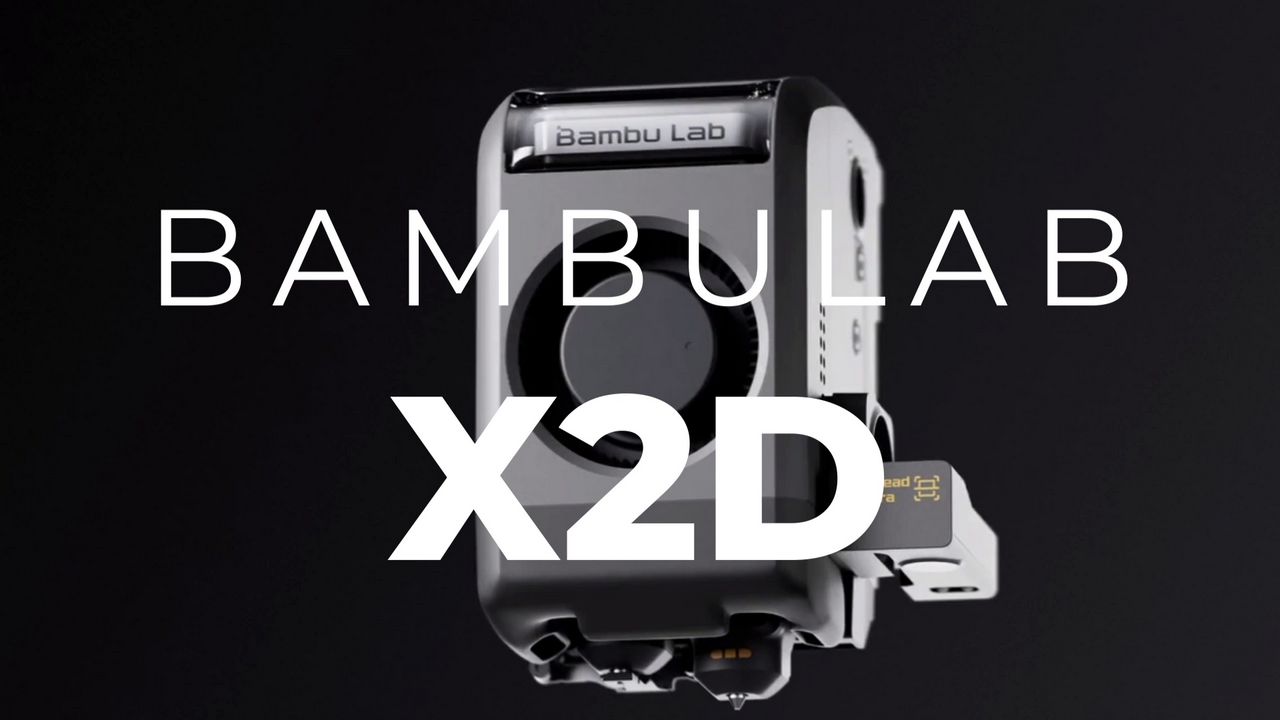
Optimized color changes: New filament management systems (like evolutions of AMS systems) drastically reduce waste. The printer now precisely calculates the amount of filament needed, allowing you to create colored objects without dumping half a spool in the trash.
-
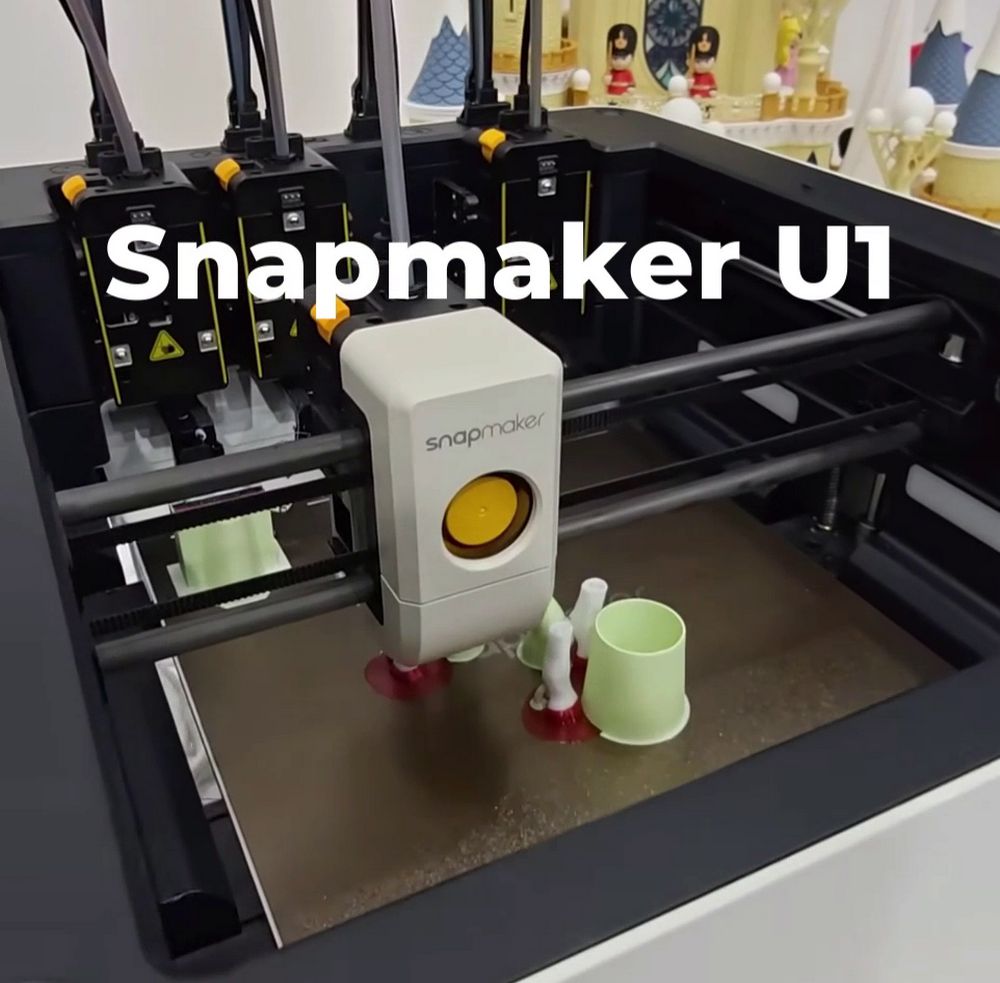
The democratization of dual heads: More affordable machines are appearing equipped with two independent print heads. This lets you use water-soluble support material for complex shapes, or mix two solid colors with no unwanted blending between them.
-
Finished objects straight off the bed: No need to break out the paintbrush. Whether it's signage, board game figurines, or repair parts with integrated logos, color is directly "baked into" the material, offering professional and durable results.
✅ Multi-Material Printing
-
Affordable independent heads (IDEX): Consumer machines are starting to integrate two or four separate heads. You can print a sneaker with a flexible TPU sole and a rigid Carbon structure, perfectly bonded together.
-
Integrated circuits: Certain conductive filaments now allow you to print simple electrical traces directly into your objects.
✅ The Printer Becomes a "Home Appliance"
Ergonomics changes entirely to appeal to non-tech enthusiasts:
-
Plug-and-Print: Full calibration takes less than 60 seconds.
-
Total silence: Thanks to new vibration compensation algorithms, your machine can run at 600 mm/s (record speed) without making more noise than a small fan.
-
Standard HEPA filtering: All closed machines now include high-performance filters to eliminate microparticles and plastic odors.
✅ And You, What Do You Really Expect?
3D printing in 2026 finally seems to live up to its promises: less pure technique, more reliability, and unbridled creativity. We're moving away from the temperamental machine toward a home tool as simple as a coffee maker or microwave.
What do you think? Are you excited to see these new technologies show up at your desk, or worried that printers will become too automated, losing the joy of "making"?
Share your expectations in the comments: what's THE feature that would make you upgrade to a new model in 2026?