Tesla Bot: Everything You Need to Know About the Optimus Gen 2 Revolution
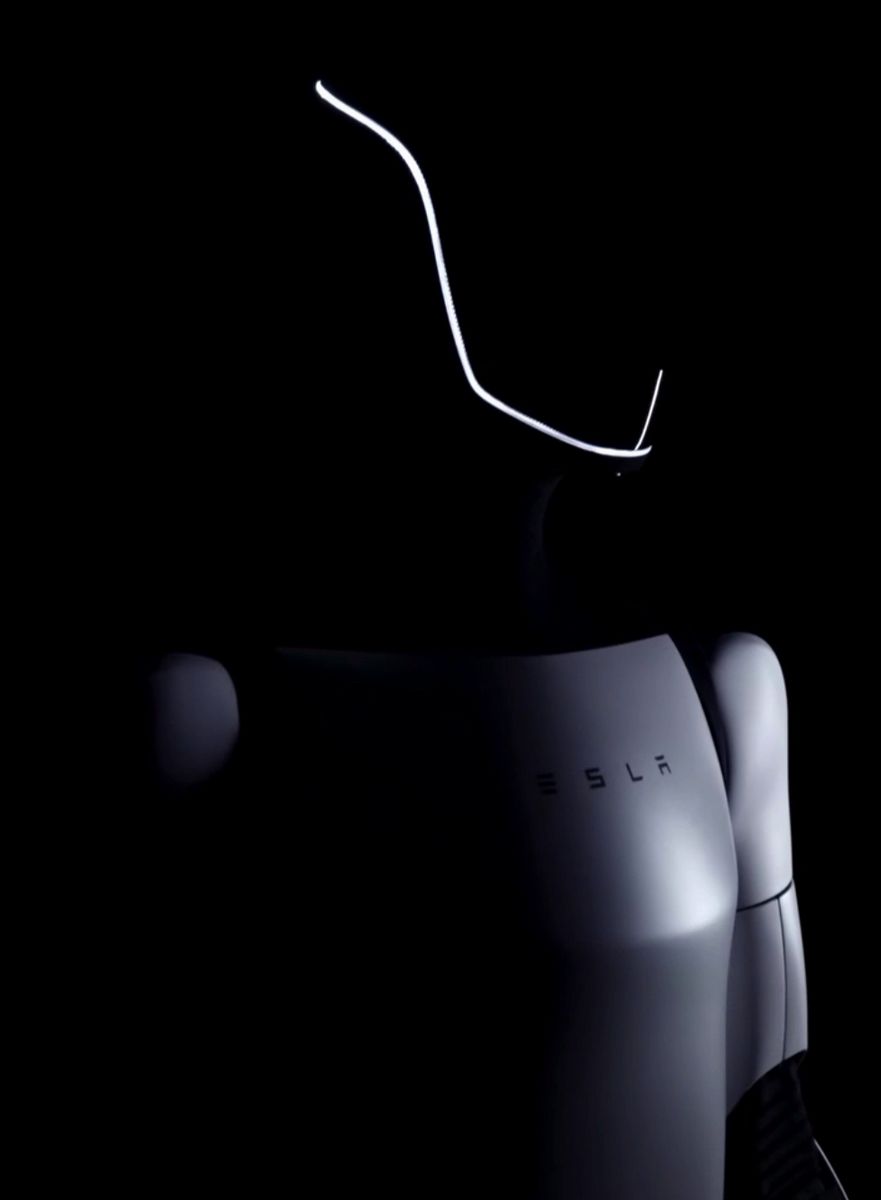
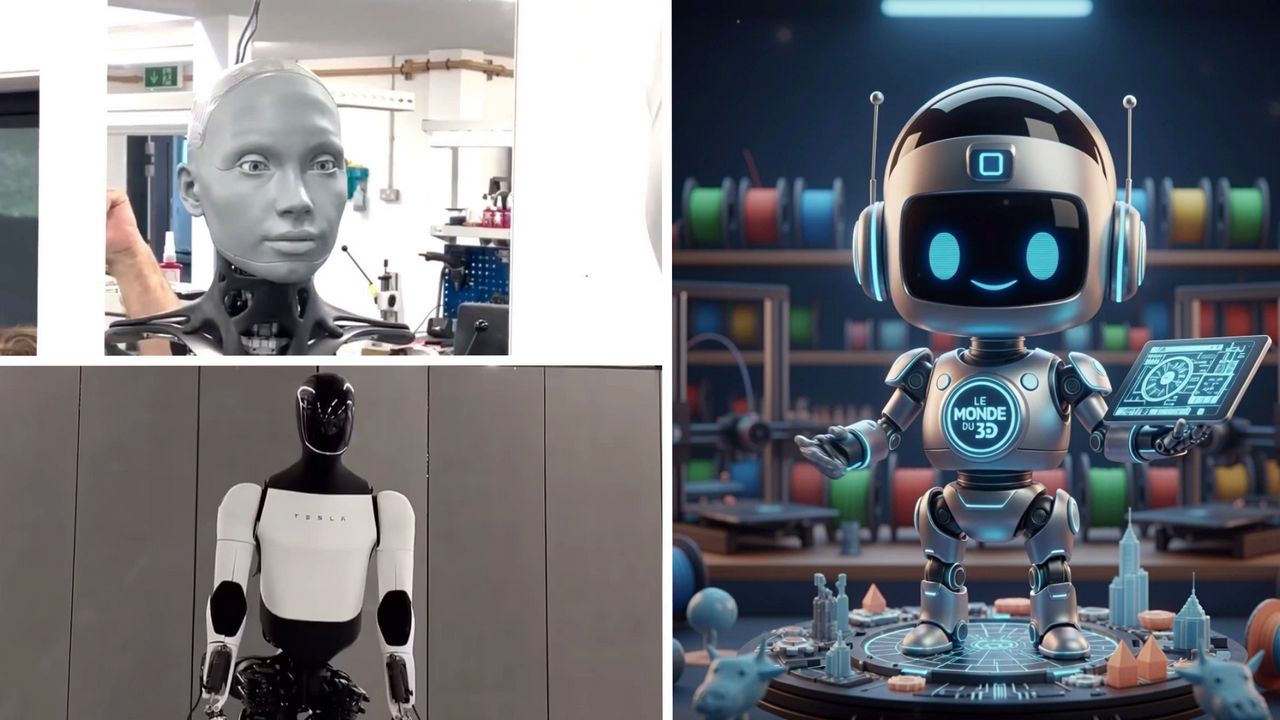
The Optimus Gen 2 (sometimes called Tesla Bot) represents the second generation of Tesla's humanoid robot, unveiled in late 2023. Designed to automate tasks that are "dangerous, repetitive, or tedious," this prototype marks a major technological leap compared to the first version, now approaching concrete industrial utility.
Here are the key points of this innovation that foreshadows the factory of the future.

✅ Optimized Physical Performance
The transition from Gen 1 to Gen 2 allowed Tesla to dramatically refine the robot's shape and capabilities:
-
Reduced weight: The robot shed 10 kg (bringing total weight to around 56 kg) thanks to lighter components and better electronics integration.
-
Increased speed: Its walking speed has improved by 30%. Its movements are now smoother and less "jerky" than previous prototypes.
-
Balance and agility: It now features an articulated neck (2 degrees of freedom), feet with articulated toe sections, and force/torque sensors for more stable movement on varied surfaces.
✅ The Hand Revolution: Dexterity and Sensitivity
One of the most impressive advances concerns the hands, a crucial element for replacing humans on an assembly line:
-
11 degrees of freedom: The hands are completely new and capable of manipulating objects with great precision.
-
Tactile sensors: All fingers are equipped with pressure sensors, allowing the robot to handle fragile objects. Tesla showcased this with a famous video where Optimus moves an egg without breaking it.
✅ Artificial Intelligence and Autonomy
Optimus uses the same technology stack as Tesla's FSD (Full Self-Driving) system:
-
End-to-end learning: The robot is trained using neural networks. It learns to perform tasks (such as sorting blocks by color or organizing objects) by observing humans or through simulations.
-
Computer vision: Its cameras allow it to map its environment in real time and recognize objects to interact with them autonomously.
✅ Timeline and Industrial Vision
In recent announcements (notably in early 2026), Elon Musk clarified Optimus's commercial trajectory:
| Milestone | Expected Timeline |
| Internal use | Already being tested in Tesla factories (Gigafactories) for simple logistics tasks. |
| Limited production | Expected during 2025/2026 for broader industrial use. |
| Consumer sales | Elon Musk has mentioned possible commercialization by 2027, with a target price "eventually" between $20,000 and $30,000. |
Important note: While demonstrations are impressive, some experts remain cautious about the robot's true level of autonomy during public presentations, sometimes suspecting a degree of teleoperation for the most complex movements.
✅ Toward a Robotic Workforce?
Tesla's challenge is not just to build a robot, but to create a platform capable of transforming the global economy by reducing labor costs for tedious tasks. What do you think?