Resin (SLA/MSLA) or FDM (Filament): Which Side Are You On? (Maker Poll)
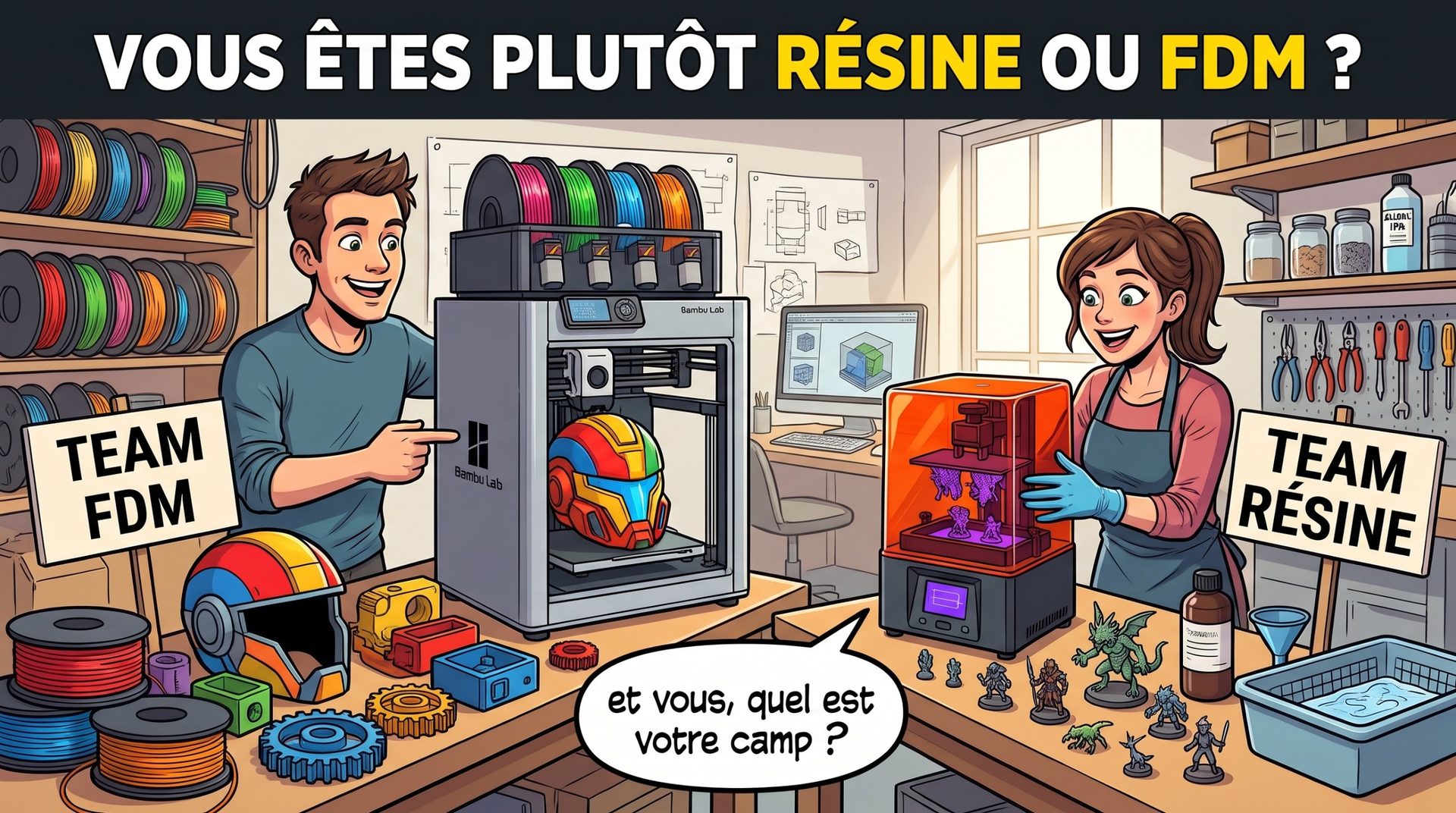
It's the eternal 3D printing showdown. On one side, fused filament (FDM), the king of versatility, large solid parts, and multicolor printing. On the other, photosensitive resin (MSLA, DLP), the undisputed champion of microscopic detail and smooth surfaces worthy of industrial molding.
With recent advances in FDM printers (0.2 mm nozzles, much higher speeds, tool changers) and the arrival of tougher, less odorous resins, the line between the two technologies keeps shifting. 👉 Vote for your team directly!
1. The FDM (Filament) Camp: Strength and Practicality First
Fused filament deposition remains the most popular entry point, and the go-to tool for most workshops:
- Solid, functional parts: thanks to a wide range of materials (PLA, PETG, ABS, ASA, flexible TPU, carbon-filled nylon), you can print mechanical parts, wall mounts, or electronic housings capable of handling real stress.
- No harsh chemicals: once the build plate cools, the part is dry, clean, and can be handled bare-handed. All that's left is to remove any supports.
- Large volumes and multicolor: printing a full-size cosplay helmet in one shot, or combining multiple colors and materials with an AMS or tool changer, is FDM territory.
2. The Resin (MSLA) Camp: Surgical Precision
When it comes to fine detail or complex small-scale shapes, liquid resin hardened layer by layer under UV light keeps a clear edge:
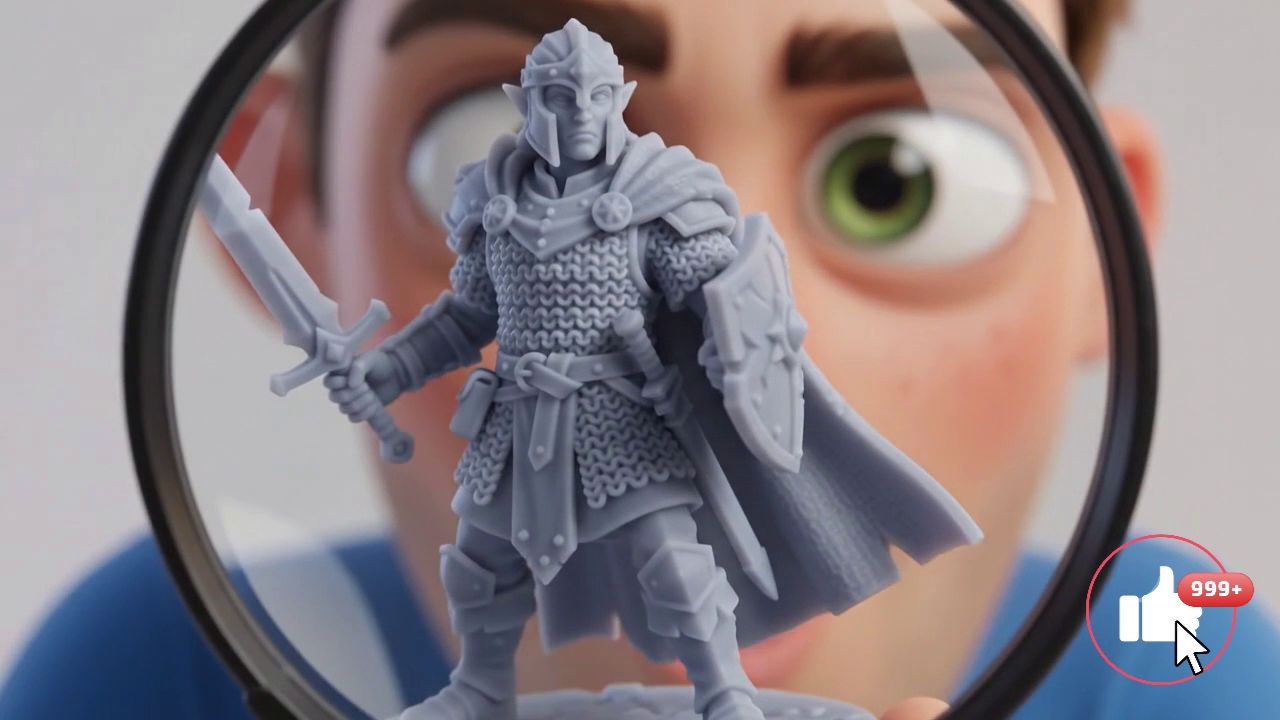
- Details invisible to the naked eye: with 12K and 16K screens, resolution drops below 20 microns: layers become virtually invisible. This is the playground for figurine creators, jewelers, model builders, and even dental technicians.
- Speed independent of part count: the entire layer is hardened at once. Printing 1 figurine or 15 identical figurines on the platform takes roughly the same time.
- The tradeoff is post-processing: nitrile gloves required, well-ventilated space, isopropyl alcohol bath, then UV lamp curing (wash & cure) before you can safely handle the part.
The Match at a Glance
| Criteria | FDM (Filament) | Resin (MSLA / DLP) |
|---|---|---|
| Detail fineness | Good, especially with a 0.2 mm nozzle | Exceptional, virtually no visible layers |
| Strength | Very high, depending on filament | Moderate: more brittle, except reinforced resins ("tough," "ABS-like") |
| Safety and cleanliness | Clean, low odors (except ABS and ASA) | Chemicals, odors, protective equipment required |
| Build volume | Large to very large | More compact (except larger-format models, pricier) |
| Best for… | Functional parts, décor, cosplay, prototypes | Figurines, fine modeling, jewelry, casting |
For more details, check out our full comparison: FDM or Resin: Which Should You Choose?
Your Vote Matters!
Space constraints, odors, strength, finish quality—every maker has their preferences. Which technology runs most in your workshop?
🗳️ Resin or FDM: Which side are you on?
Click your answer to vote and see the results.
Tell us in the comments what kind of parts you print most often with your favorite technology!