3D Printer: Open or Closed? Differences, Pros and Cons

When buying a 3D printer, one of the first decisions you'll make is choosing between an open or closed frame model. This distinction goes far beyond aesthetics and directly impacts the types of materials you can use, the quality of your prints, and safety. The ideal choice depends on your budget, experience level, and needs.

The open 3D printer: simplicity and accessibility
Open-frame printers, often recognizable by their exposed frame, are the go-to choice for beginners and hobbyists. They're the most common type on the consumer market.
Advantages:
- Affordable price: This is their main strength. Open-frame printers are significantly cheaper, making them accessible to any budget.
- Easy access: All components (extruder, bed, belts) are visible and easily accessible. This simplifies maintenance, repairs, and learning the machine.
- Community: Thanks to their popularity, they benefit from a huge and active community. Online resources, tutorials, and spare parts are easy to find.
Disadvantages:
- Sensitive to conditions: They're very sensitive to drafts and ambient temperature fluctuations, which can cause "warping" (deformation) and print failures, especially on large parts.
- Material limitations: They're ideal for PLA, but not suitable for filaments requiring stable ambient temperature, such as ABS, ASA, or Nylon, since they shrink as they cool.
- Safety and noise: The printer is noisier and hot components (nozzle, heated bed) are exposed, which can pose a risk, especially for children.
The closed 3D printer: reliability and versatility
Closed-frame printers, or "enclosed" models, feature an enclosure surrounding the print chamber. They're often used by professionals and users seeking maximum quality and reliability.
Advantages:
- Better print quality: The enclosure protects against drafts and maintains stable temperature, resulting in smoother and more precise prints. Deformation-related failures are greatly reduced.
- Material compatibility: They're designed to print technical filaments like ABS, PETG, and Nylon. The controlled environment prevents shrinkage and cracking.
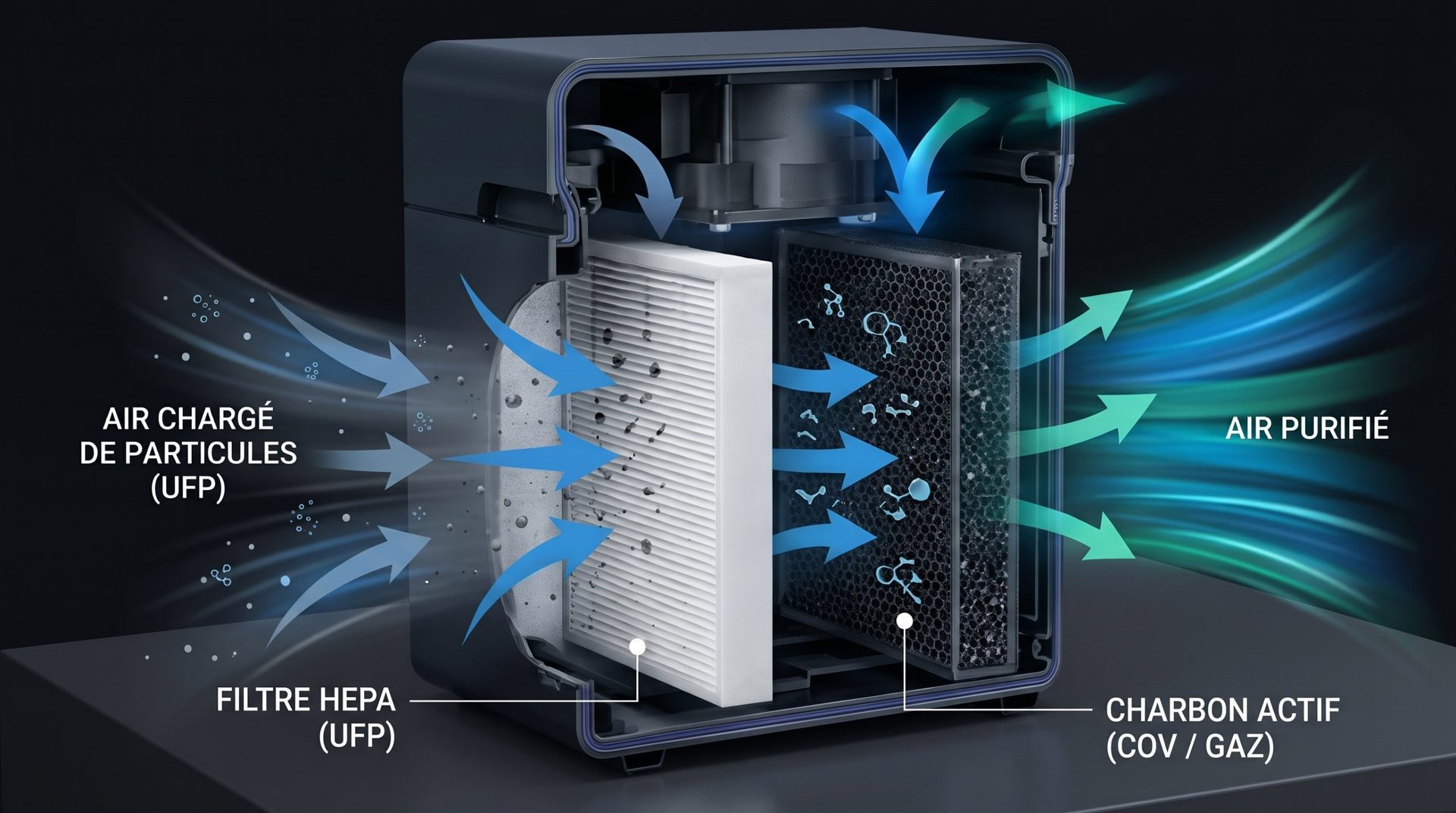
- Safety and comfort: The enclosure significantly reduces printer noise and contains odors from certain filaments. It also protects against accidental burns.
Disadvantages:
- High cost: They're significantly more expensive than open models, which can be a barrier for a first purchase.
- More complex maintenance: Access to internal components is less convenient, which can make repairs and maintenance more tedious.
- Space requirements: They're generally larger and heavier.
Conclusion: Which one should you choose?
There's no one-size-fits-all answer—the best choice depends on your project:
- For the beginner or casual hobbyist wanting to print decorative or functional parts in PLA, an open-frame printer is the ideal choice. It's the most economical and educational solution.
- For the professional or advanced user needing precision, reliability, and working with a wide variety of technical materials, a closed printer is a justified investment.