Mars Mission: Nuclear Power, AI & 3D Printing 🚀
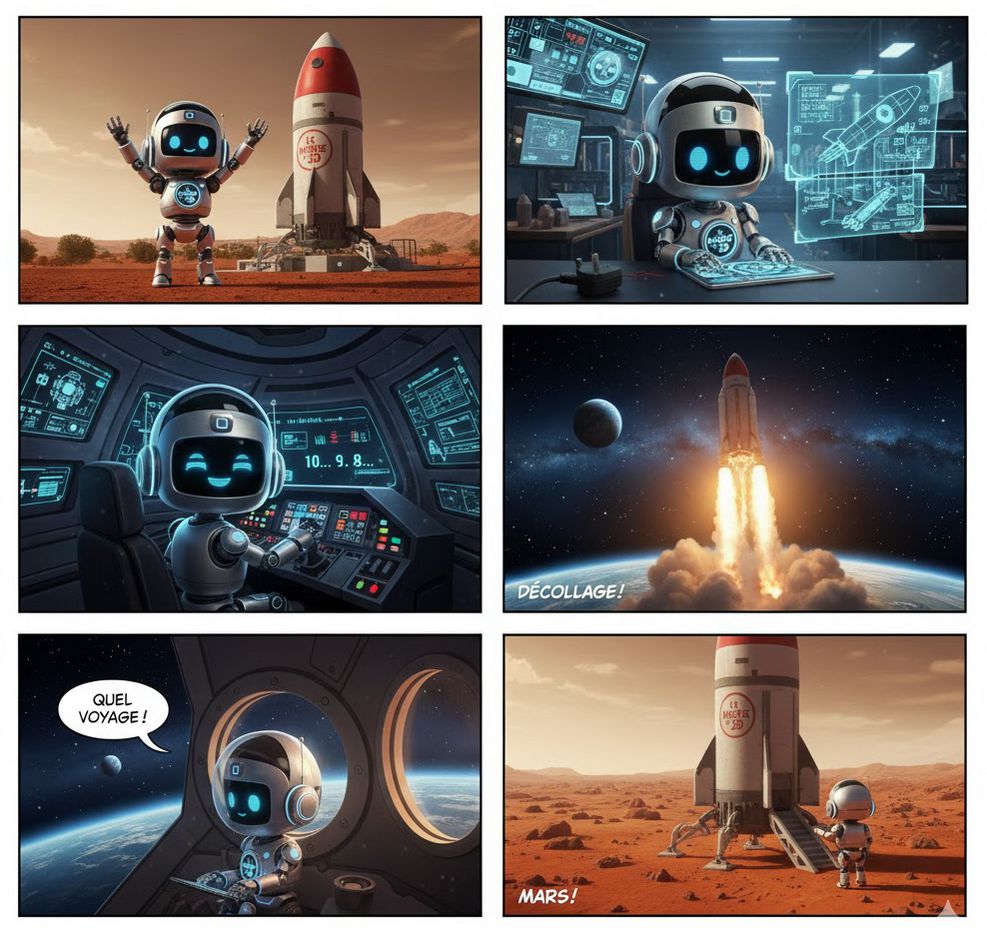
The Martian dream has never been closer to reality. As we head into the end of 2025, we're no longer in the realm of pure speculation. The technological barriers that kept us locked in Earth orbit are falling one after another. Thanks to an unprecedented alliance between nuclear power, artificial intelligence, 3D printing and cutting-edge robotics, the path to the Red Planet is finally becoming clear.

✅ Nuclear Propulsion: Mars in 3 Months Instead of 7
The astronauts' biggest enemy is time. A seven-month journey with conventional chemical engines exposes the crew to deadly solar radiation and severe muscle atrophy.
-
The breakthrough: In 2025, NASA and DARPA have made crucial progress in developing nuclear thermal propulsion (NTP).
-
The stakes: A nuclear reactor heats a propellant (such as liquid hydrogen) to extreme temperatures, delivering thrust twice as efficient as today's best engines. The goal? Cut the journey to under 100 days, making the voyage much safer for the human body.
✅ Agentic AI: The Essential Copilot
On Mars, Earth is far away: signals take up to 20 minutes to arrive. In an emergency, Houston can't help. That's where Artificial Intelligence comes in.
-
Decision autonomy: Unlike older systems, 2025 AI is "agentic." It doesn't just analyze—it decides. It can independently manage life support (O2, water recycling) and correct flight trajectories in milliseconds.
-
Mental and physical health: AI systems continuously monitor astronauts' biometric data to anticipate illness or emotional decline, acting as an ultra-high-performance onboard doctor and psychologist.
✅ In-Situ 3D Printing: The Autonomous Martian Factory
Resupply from Earth is costly and uncertain. That's why in-situ 3D printing has become a strategic technology.
-
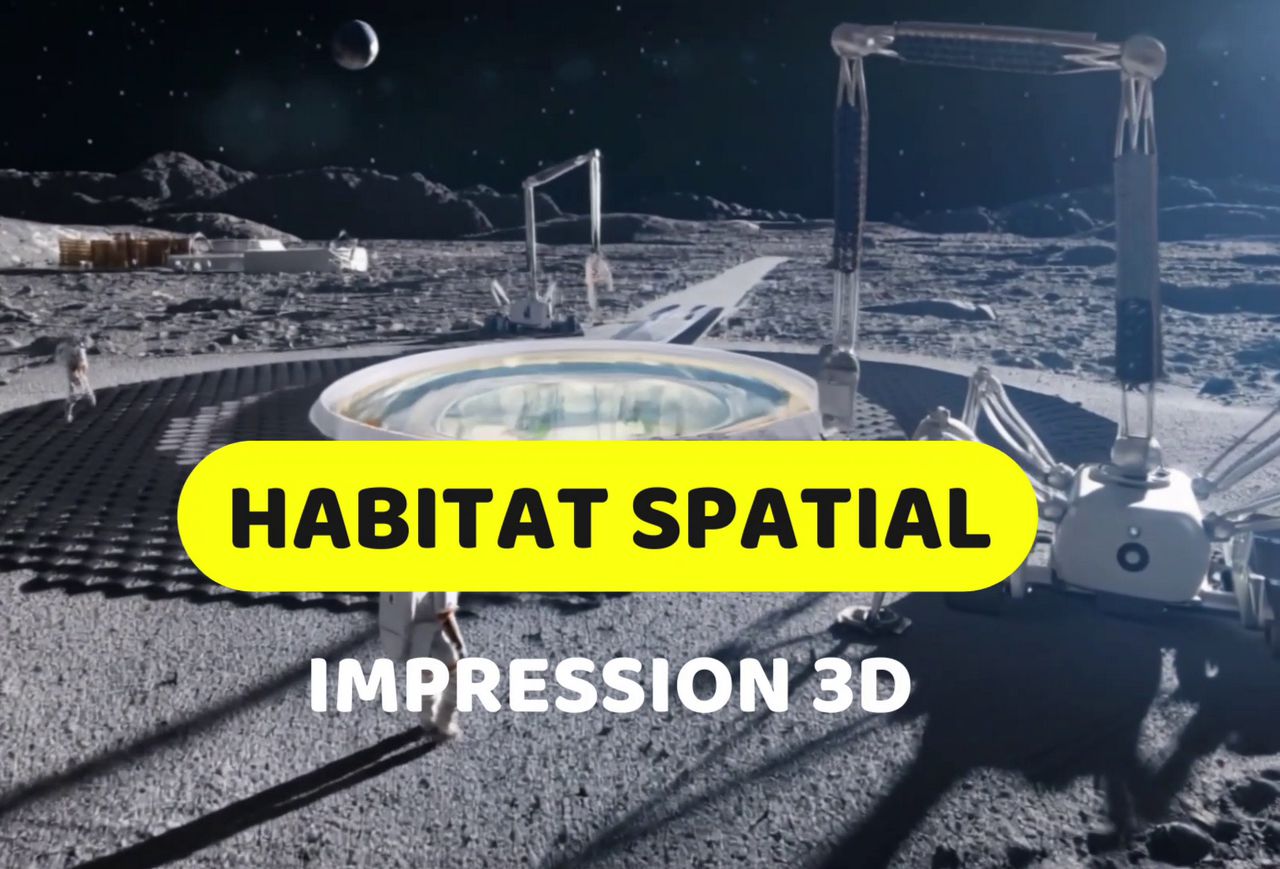
Building with local resources: Giant 3D printers are being developed to use Martian regolith (surface dust) as raw material. By mixing it with polymers or sintering it at high temperature, habitats, landing pads, and radiation shields can be built right on-site.
-
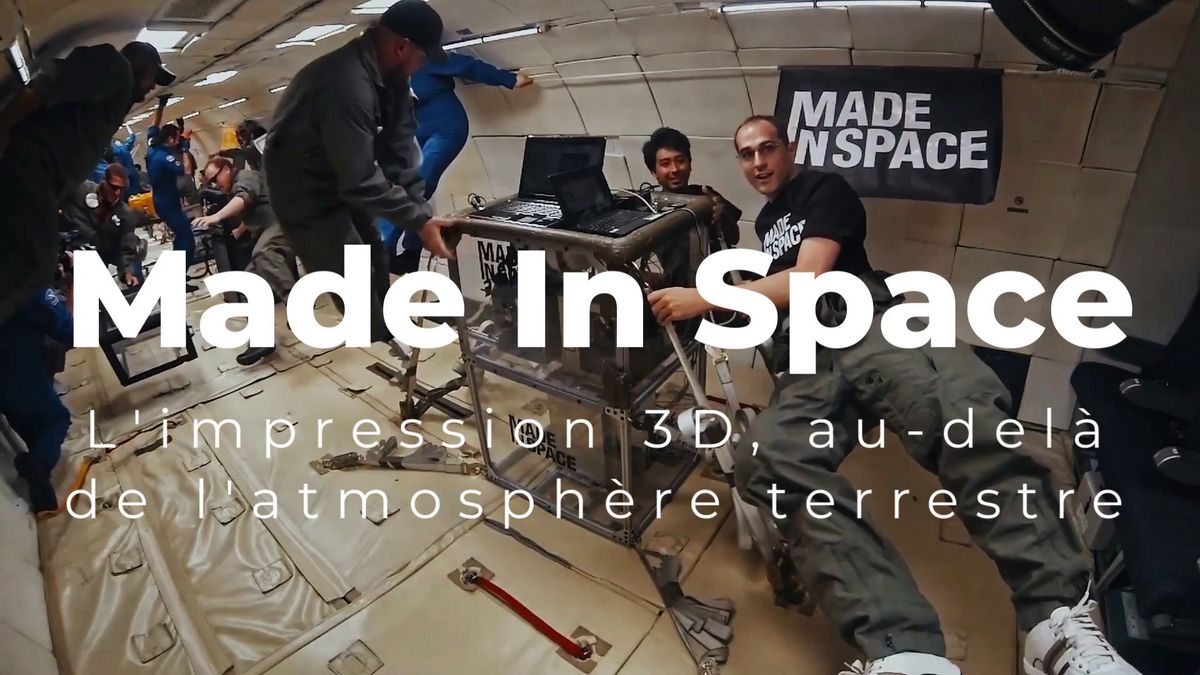
Manufacturing spare parts: Whether it's a broken door handle, a specialized tool, or a mechanical rover component, 3D printing lets astronauts fabricate almost anything they need. Combined with AI, this self-repair capability will make the Martian base resilient and autonomous, drastically reducing dependence on Earth cargo shipments.
✅ Robotics: The Builders of the Extreme
Before the first human sets foot on Martian soil, an army of robots will have already done the heavy lifting.
-
Humanoids and infrastructure: Next-generation robots are being tested to assemble habitat modules and deploy solar farms. Their humanoid form lets them use the same tools as future astronauts.
-
Swarm Robotics: Fleets of small autonomous robots collaborate to map lava tubes—natural caves that will shield colonists from surface radiation.
-
Predictive maintenance: Coupled with 3D printing, these robots can manufacture replacement parts directly on-site from Martian regolith.
✅ Starship and Orbital Refueling
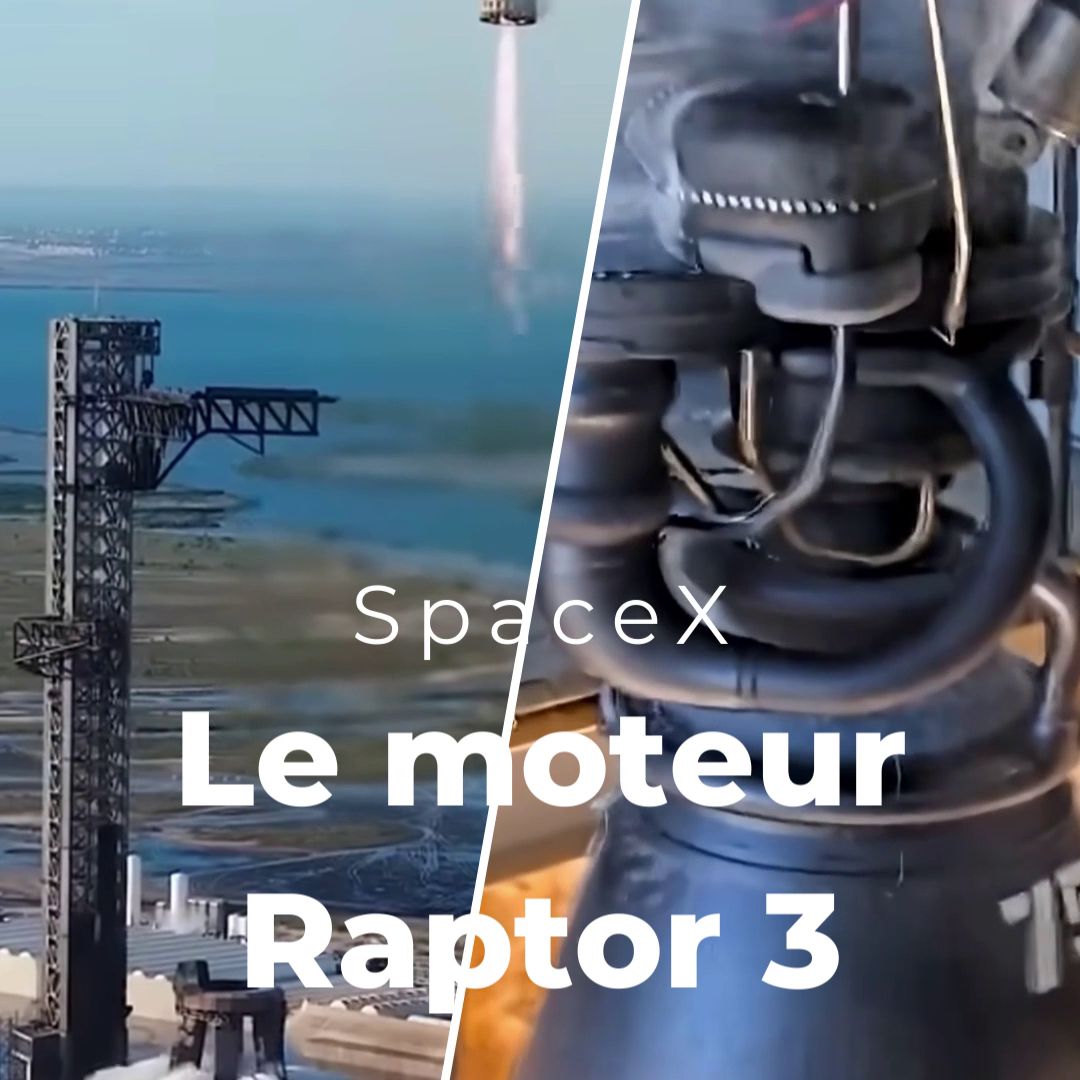
Finally, heavy-lift transport has become reality with SpaceX. In 2025, mastery of orbital fuel transfer is game-changing. To send 100 tons of cargo to Mars, the spacecraft must refuel in space. This "orbital gas station" technology is the final piece enabling massive cargo missions from the next launch windows.
If 2025 will be remembered as the year of technical validation, 2026 will mark the start of major operations. We're no longer just sending probes to take pictures; we're building interstellar infrastructure. The Red Planet is no longer so far away.