Concrete 3D Printing: The House of the Future?
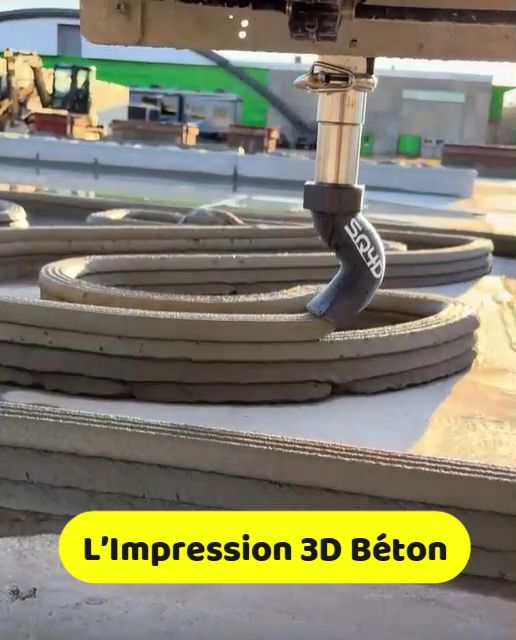
Goodbye aligned concrete blocks and construction sites that drag on for months. Concrete 3D printing, once just a lab curiosity, is literally rising from the ground. From luxury villas in Dubai to affordable housing in France, this technology is redefining how we design our homes.

🏗️ How Does It Work? (The "Sinking" Concept)
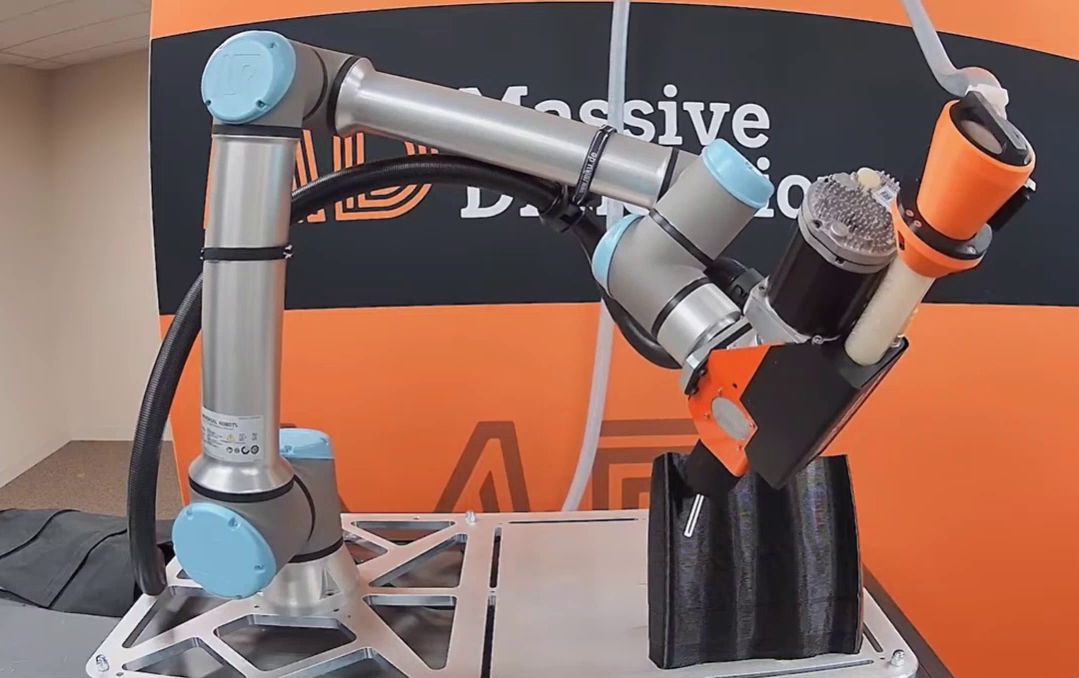
The principle is that of a standard 3D printer, but on a titanic scale. A robotic arm or mobile gantry deposits successive layers of specialized mortar.
-
The Material: An "intelligent" concrete with fast set times that must be fluid enough to pump, yet firm enough to support the weight of upper layers without sagging.
-
Speed: A 100 m² house structure can be "erected" in less than 48 hours of pure printing time.
🌟 The 3 Pillars of the Revolution
1. Total Architectural Freedom
Traditional concrete casting in formwork locks you into straight lines and right angles. With 3D printing, curves cost no more than straight lines. You can create organic walls, integrated alcoves, and acoustically optimized structures that would be prohibitively expensive with conventional methods.
2. More Eco-Friendly Construction?
While cement remains carbon-intensive, 3D printing enables "Generative Design". You only print where the structure needs it—hollow walls with zigzag fill patterns—reducing material consumption by 30 to 50%. Plus, construction waste is virtually eliminated.
3. Speed and Reduced Physical Strain
Robots don't tire and can work overnight. For workers, roles shift: they no longer carry heavy loads but become machine operators and maintenance technicians, upgrading construction industry jobs.
🛑 Barriers to Widespread Adoption
Despite the excitement, the "house of the future" faces major hurdles:
-
Regulation: Building codes (like France's RE2020) were designed for traditional methods. Getting structural safety validation for a printed wall remains a complex bureaucratic process.
-
Initial Cost: While labor savings are real, equipment amortization and specialty mortar costs remain high.
-
Finishing: The visible "mille-feuille" layer appearance doesn't appeal to everyone. Usually a coat of plaster is needed, adding an extra manual step.
🔮 The Future: Toward Robotized Self-Building?
We can already imagine robotic arms capable of printing with local raw earth to slash carbon footprint, or robots that directly insert insulation and electrical wiring during printing.
The house of the future may not just be printed—it will be intelligent from birth, optimized by algorithms to capture solar heat and consume minimal energy.
Concrete 3D printing is no longer just an engineering feat; it's the first step toward agile, efficient and bold construction. While regulatory and aesthetic challenges remain, the shift toward robotized job sites seems inevitable. The house of the future won't just be a roof—it will be an algorithm-optimized structure, printed in days and built for environmental respect. The only limit is now the architects' imagination.