The 3D Printed House: The Future of Construction?

The idea of building a house in just days, at reduced cost and with a lower environmental footprint, sounds straight out of a science-fiction movie. Yet, thanks to 3D printing applied to construction, this futuristic vision is already a tangible reality. From the first prototype homes to entire neighborhood projects, the 3D printed house is redefining what it means to "build".

How does 3D house printing work?
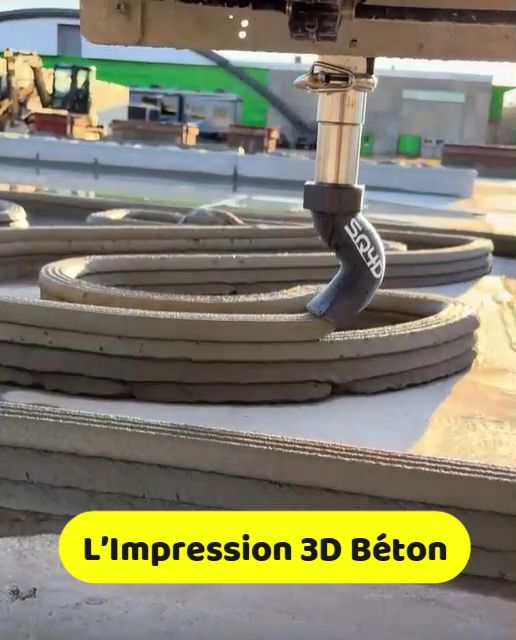
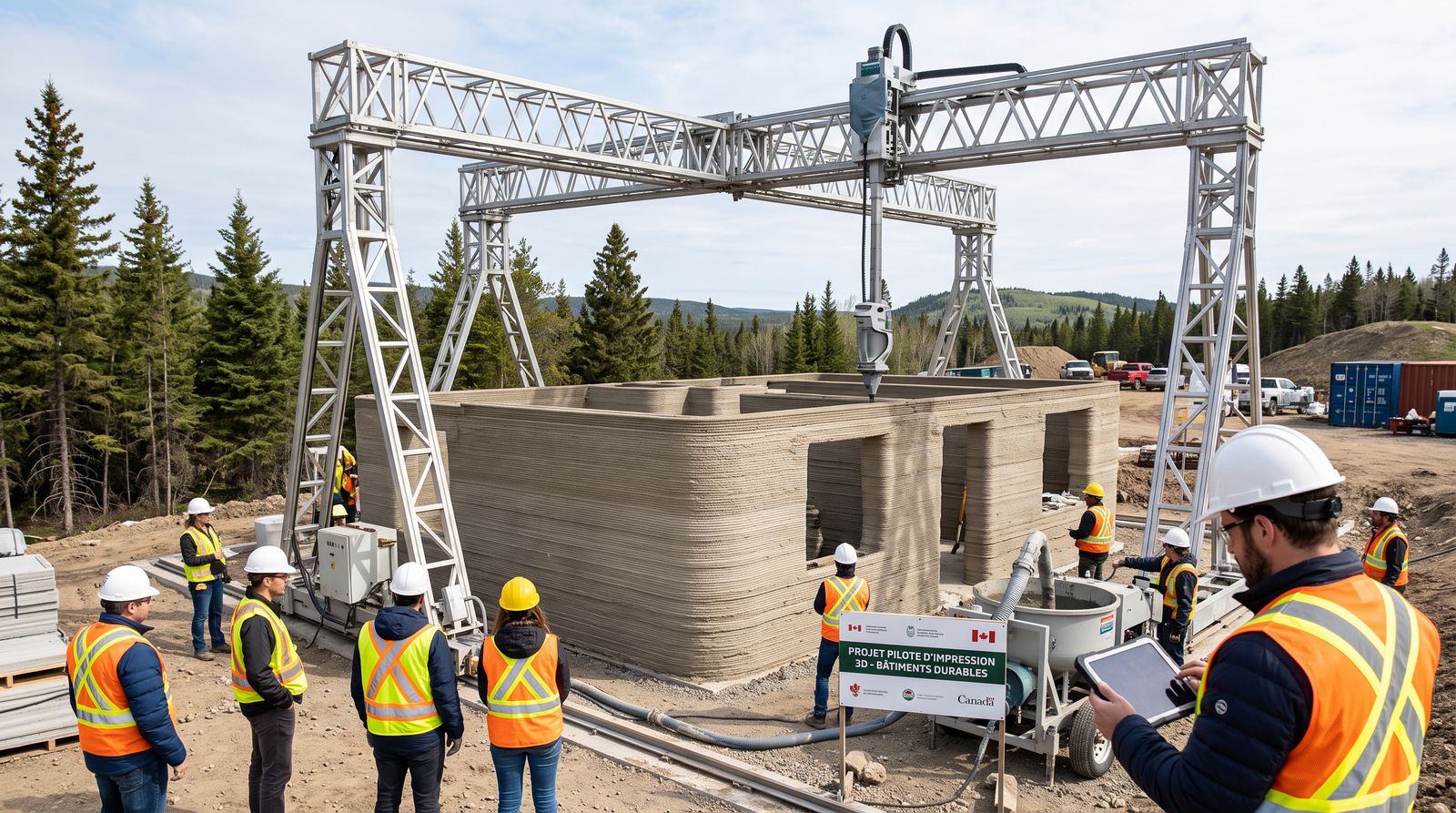
At its core, the principle remains the same as a small desktop 3D printer, but on a gigantic scale. Instead of plastic, these "mega-printers" use special building materials:
- The Giant Printer: These are often massive gantry robots or robotic arms mounted on rails, capable of moving across multiple axes.
- The Material: The most commonly used is special concrete (or mortar), formulated to be extrudable (liquid enough to pass through the nozzle) while hardening quickly once deposited, allowing upper layers to be printed without collapsing. Other materials like clay, composites, or bio-based blends are also being tested.
- Layer-by-Layer Printing: The printer deposits successive layers of building material, creating load-bearing walls, interior partitions, and sometimes even integrated elements (such as ducts or cable passages).
- Post-Printing: Once the structure is printed, traditional finishing takes over: installation of windows, doors, roofing, plumbing, and electrical systems.
What are the revolutionary benefits of the 3D printed house?
Adopting this technology offers considerable benefits that could transform the construction industry:
- Unmatched Construction Speed: This is one of the major strengths. Where traditional construction takes months or even years, 3D printed house structures can be erected in days or weeks. This dramatically reduces housing delivery times.
- Reduced Cost: Automating the process drastically cuts the need for skilled labor on-site. Additionally, material optimization and waste reduction help lower the overall construction cost.
- Architectural Freedom and Customization: Unlike standardized construction methods, 3D printing enables the creation of complex shapes, curved walls, integrated patterns, and unique designs at no significant extra cost. Each house can be customized to the owner's wishes.
- Waste Reduction and Environmental Impact: Additive manufacturing is a process that adds material only where needed. This minimizes construction waste and reduces the environmental footprint of the job site.
- Job Site Safety: Automating the heaviest and most repetitive tasks reduces worker exposure to hazards and injuries, improving overall construction site safety.
- Housing Accessibility: In regions facing housing shortages or after natural disasters, 3D printing offers a fast and affordable solution for building lasting shelters.
Challenges and Future Perspectives
Despite these promising benefits, the 3D printed house faces several challenges:
- Regulations and Standards: Building codes are often designed for traditional construction methods and need to be adapted to this new technology.
- Materials: Developing new printable materials that are more eco-friendly and meet structural and thermal requirements is an active research area.
- Post-Printing: Integrating finishes (roof, windows, doors, plumbing, electrical) remains a challenge for complete automation.
- Initial Equipment Cost: Giant printers represent a significant investment.
However, progress is rapid. Concrete projects are emerging worldwide, from housing for disadvantaged populations to luxury homes. The 3D printed house could not only transform how we build, but also make housing more accessible, more sustainable, and more personalized. It represents a major milestone.