☕️ Coffee PLA: The Filament That Gives Waste a Second Life

Coffee PLA is one of the most popular composite filaments in the new wave of eco-aesthetic materials. It combines the ease of printing with PLA (Polylactic Acid) with a circular economy approach, transforming recycled coffee grounds into a premium raw material.

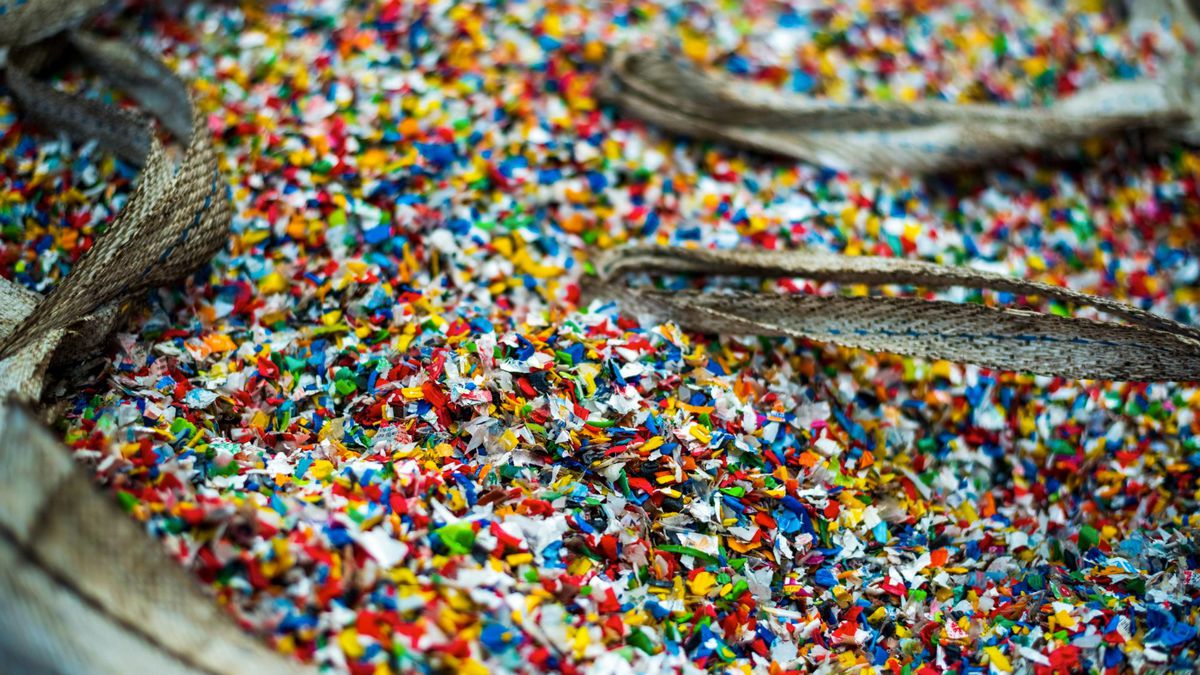
From Waste to Filament: The Art of Upcycling
Coffee PLA is an excellent example of upcycling in 3D printing:
-
Composite Material: It is primarily composed of PLA (a bio-based polymer derived from corn starch) blended with a percentage of recycled coffee grounds. These grounds are often sourced from the food service industry or agribusiness companies.
-
Ecological Commitment: By using a by-product (coffee grounds), this filament reduces the amount of virgin plastic needed and contributes to the valorization of waste that would otherwise end up in landfills.
Sensory and Aesthetic Appeal
The appeal of Coffee PLA extends beyond its environmental benefits to the unique finish it brings to prints:
-
Color and Texture: It gives prints a warm, natural brown tone, along with a slightly grainy and earthy texture. This finish often conceals layer lines (typical of FDM), giving the object a more organic and less "plastic" appearance.
-
Subtle Aroma: During printing, and sometimes afterward, the filament releases a light coffee scent, transforming the manufacturing experience into a sensory moment.
Technical Tips for Printing
Coffee PLA is very beginner-friendly, but a few adjustments ensure optimal results:
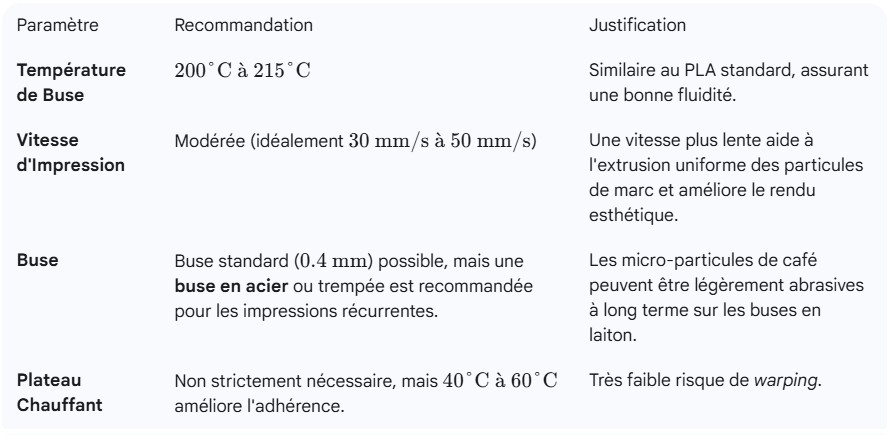
Thanks to its unique properties, Coffee PLA is the ideal choice for decorative objects, kitchen accessories (indirect food contact), eco-responsible packaging, and any projects aiming for natural aesthetics and environmental responsibility.
To compare materials at a glance, use our filament selector tool.