The Chocolate 3D Printing Revolution 🍫
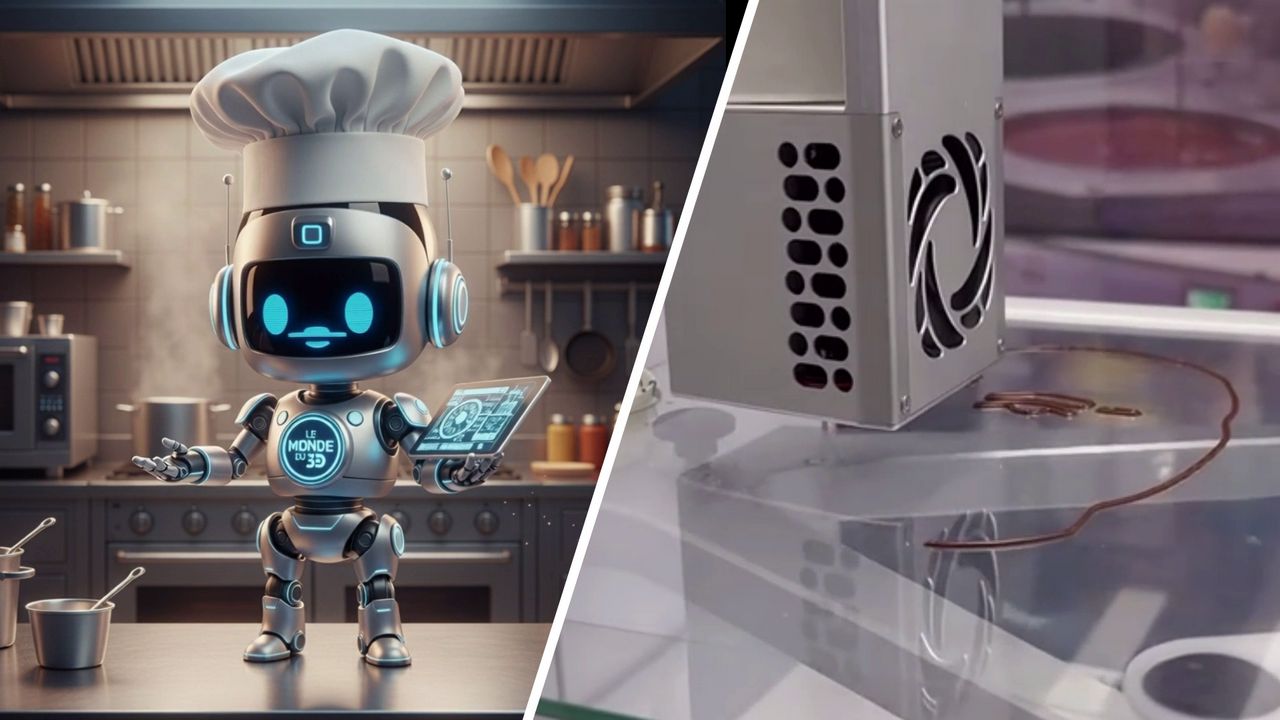
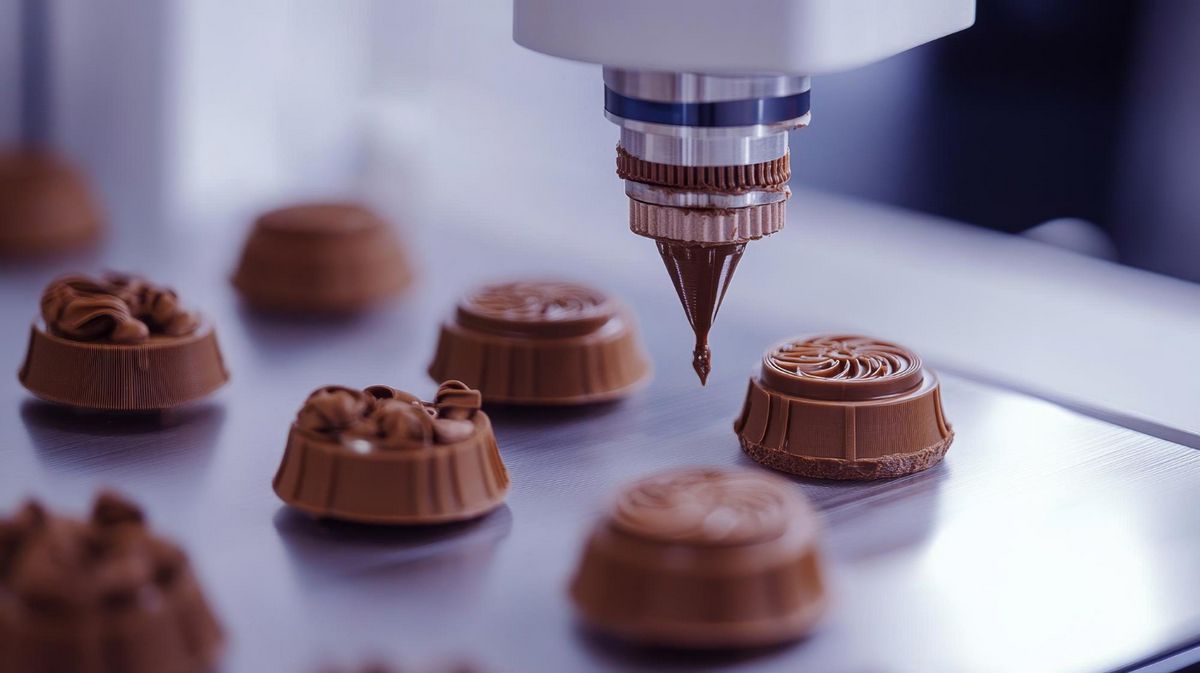
While 3D food printing touches many ingredients, chocolate is undoubtedly the material that generates the most enthusiasm. Combining haute cuisine and precision engineering, this technology is redefining the limits of both artisanal and industrial chocolate making.

✅ The Technical Challenge: Mastering Tempering
Unlike simple puree, chocolate is a finicky material that reacts violently to thermal fluctuations. Successful printing relies on two critical factors:
-
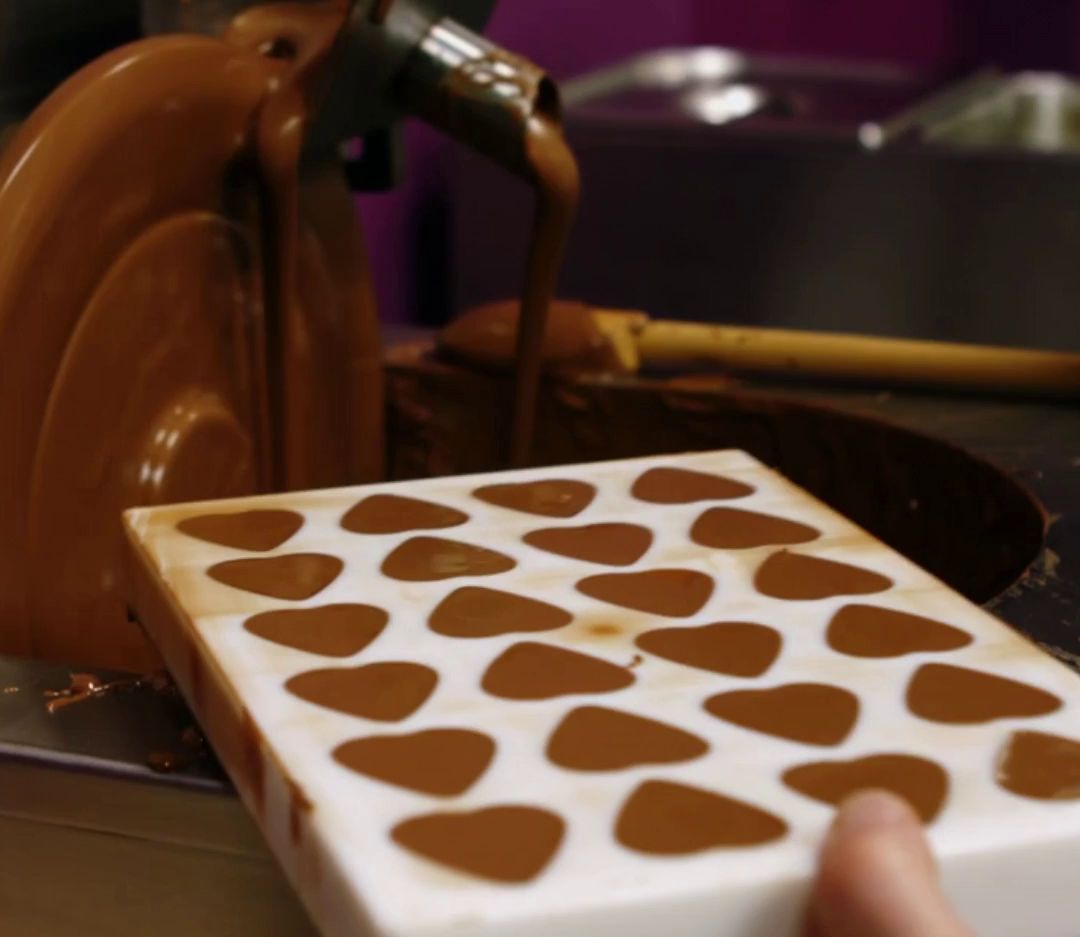
Managing crystallization: To achieve glossy, crisp chocolate, you must stabilize cocoa butter crystals. Advanced printers incorporate active heating systems to maintain chocolate at the exact temperature throughout extrusion.
-
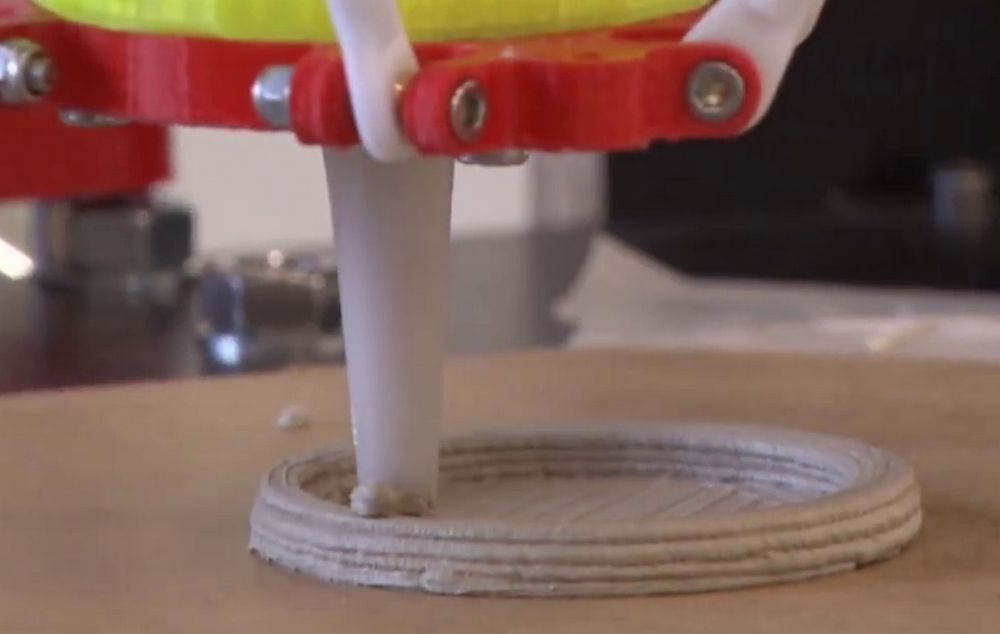
Structural integrity: Each deposited layer must solidify almost instantly to support the weight of the structure above. This requires a perfect balance between nozzle speed and material cooling.
✅ Unprecedented Creative Freedom
3D printing frees the chocolatier from the physical constraints of traditional molding.
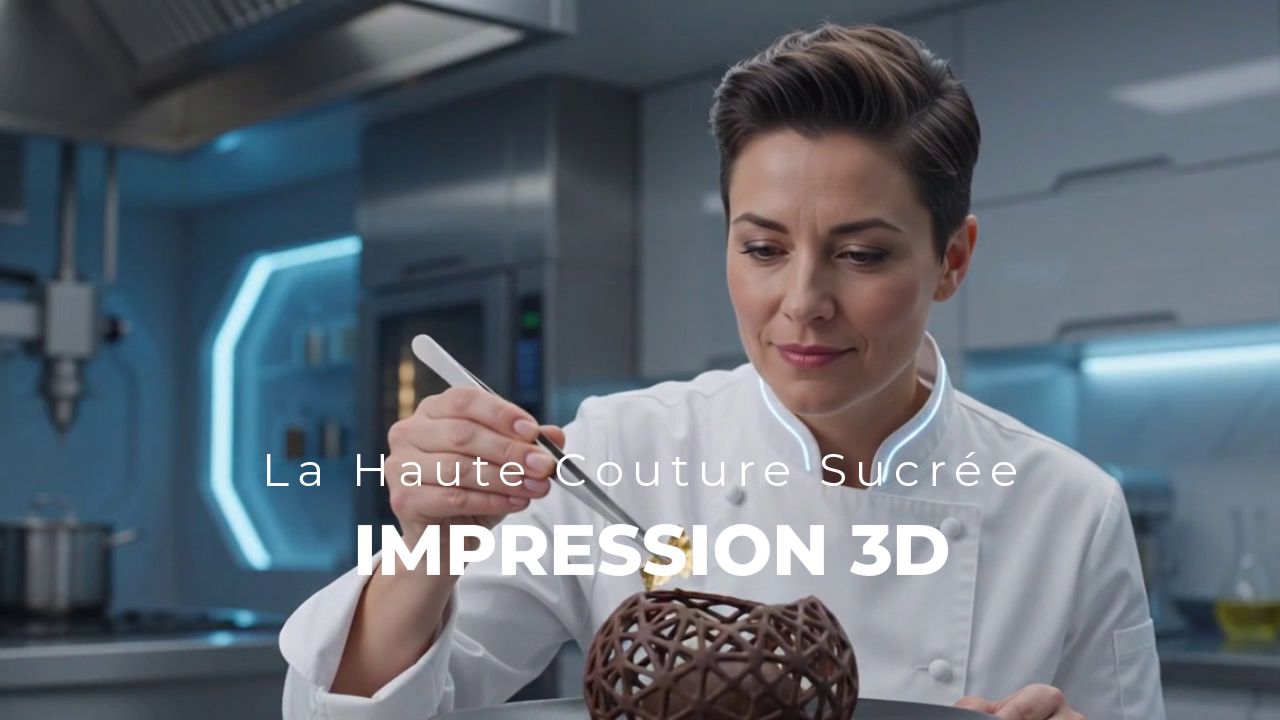
It enables creation of complex geometries, such as ultra-fine meshes, hollow spheres with jagged walls, or interlocking structures that would be impossible to demold manually. This technology also offers complete flexibility for customization: you can now print logos, messages, or relief portraits for specific events without investing in expensive custom molds.
✅ Different Technological Approaches
The current market offers several ways to approach this printing, adapted to different needs:
Some machines use a heated syringe system where a piston pushes melted chocolate. This is the most flexible method for artisans who want to use their own chocolate recipe. Other systems work with proprietary pre-filled cartridges, guaranteeing optimal ease of use for events or home users, as the chocolate is already prepared for the machine. Finally, the most substantial installations use continuous feeding systems for mass production, allowing creation of series of complex pieces on an industrial scale.
✅ A New Sensory Dimension
3D printing changes more than just visual appearance—it also modifies the tasting experience. By playing with the internal architecture of the piece (fill rate), the chocolatier can create objects that are more or less aerated. This directly influences how the chocolate melts on the tongue and how aromas are released, offering a new variable for flavor designers to work with.
3D chocolate printing isn't here to replace manual craftsmanship, but to enhance it. It's a design tool that transforms chocolate into a true material for culinary architecture, where the only limit is now the creativity of your design software.