3D Chocolate Printing: When Technology Meets Indulgence
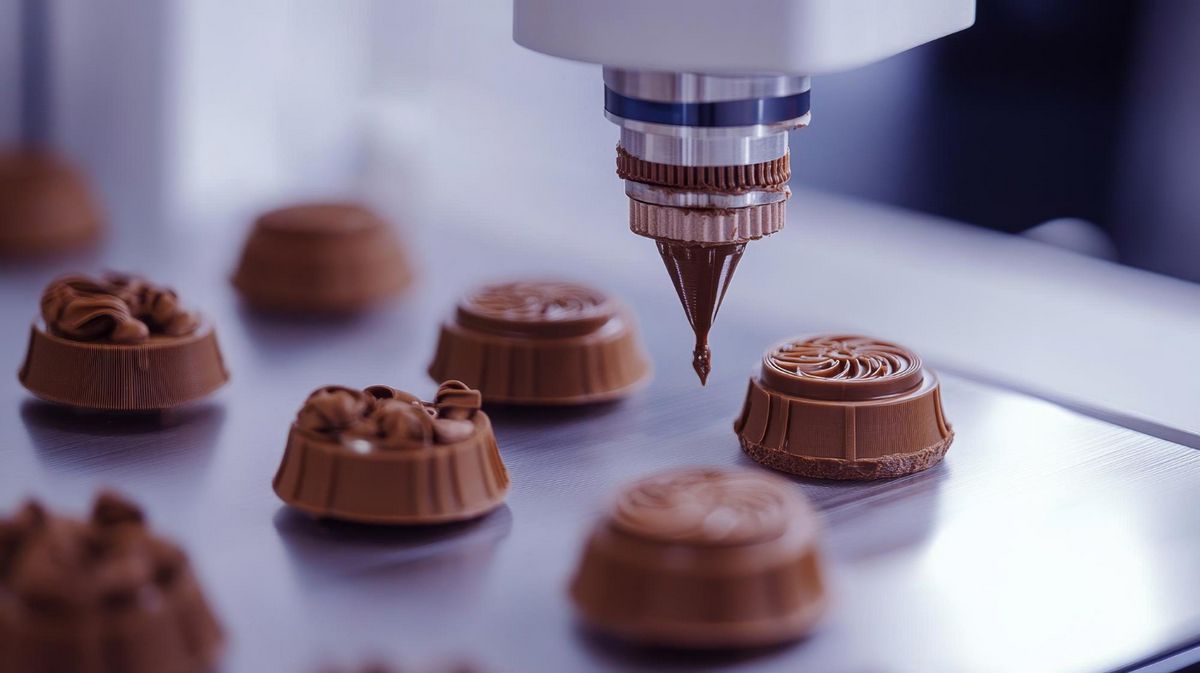
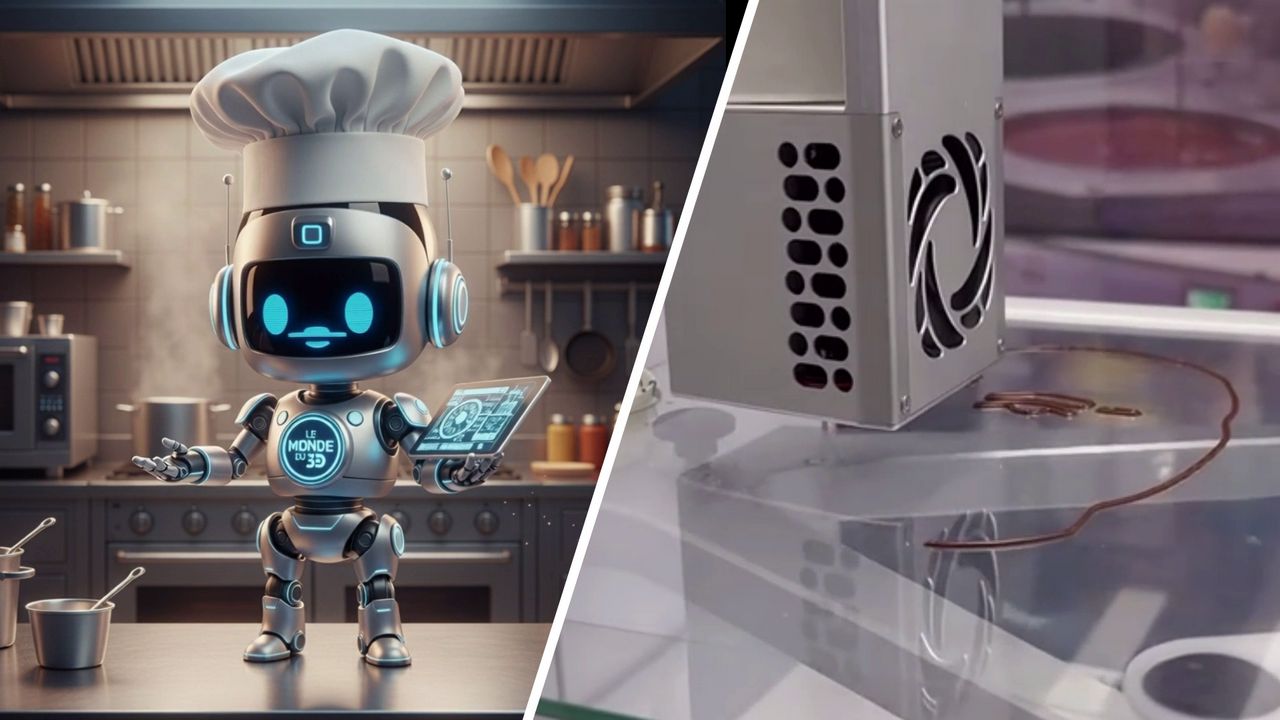
Chocolate, that noble material beloved around the world, has long been sculpted, molded and worked by artisans to create ephemeral works of art. Today, a new dimension opens up to it: 3D chocolate printing. This technology combines the ingenuity of additive manufacturing with the art of confectionery, making it possible to create complex shapes, unprecedented textures and unlimited customization, far beyond what traditional methods allow.
3D chocolate printing is revolutionizing pastry, chocolate making and even food marketing, offering a new way to design, produce and enjoy cocoa-based creations.
How Does 3D Chocolate Printing Work?
The basic principle of 3D chocolate printing is similar to FDM (Fused Deposition Modeling) for plastics, but with much finer control of temperature and raw material:
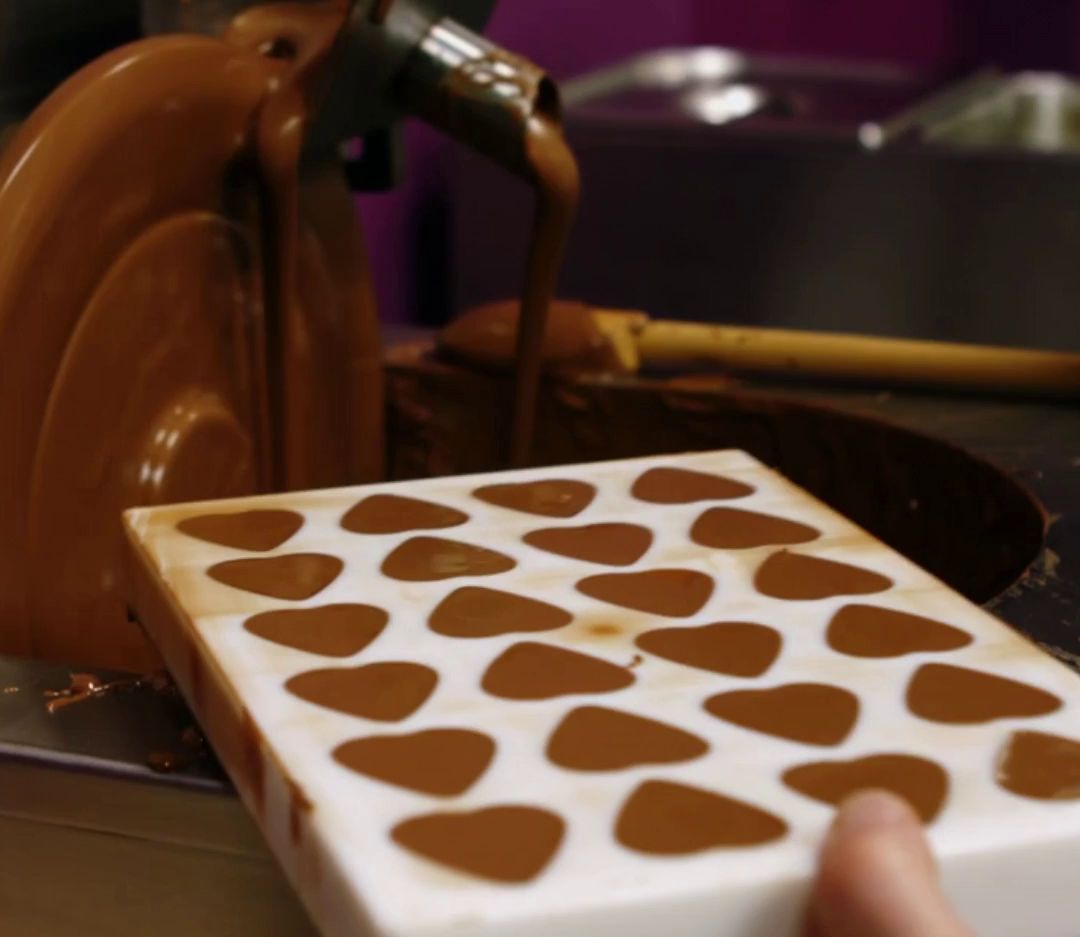
- The Material: Tempered Chocolate Unlike plastic filaments, chocolate must be in a very precise semi-liquid state. To achieve this, it must be properly tempered. Tempering is a crucial process that involves heating and cooling chocolate according to specific temperature curves to stabilize its cocoa butter crystals. Well-tempered chocolate will have a brilliant shine, a pleasant snappy texture ("snap") and be stable at room temperature, all essential conditions for successful printing.
- Extrusion and Thermal Control:
- The 3D chocolate printer is equipped with a syringe or reservoir containing melted, tempered chocolate.
- The chocolate is maintained at a constant temperature (slightly above its melting point) to maintain optimal viscosity for extrusion.
- A nozzle deposits fine layers of chocolate, following the path defined by the 3D model.
- Crucially, the build plate is often cooled (by a Peltier, cold air, or simply controlled room temperature) so that each layer solidifies quickly and holds its shape before the next layer is deposited. This precise control between extrusion and solidification is what allows structures to be built vertically.
- The Printers: There are 3D printers dedicated to chocolate (often adaptations of FDM machines or specific syringe systems), as well as kits or modules that allow you to convert an existing FDM printer for chocolate extrusion.
The Advantages of 3D Chocolate Printing
Using 3D printing for chocolate opens creative and practical horizons:
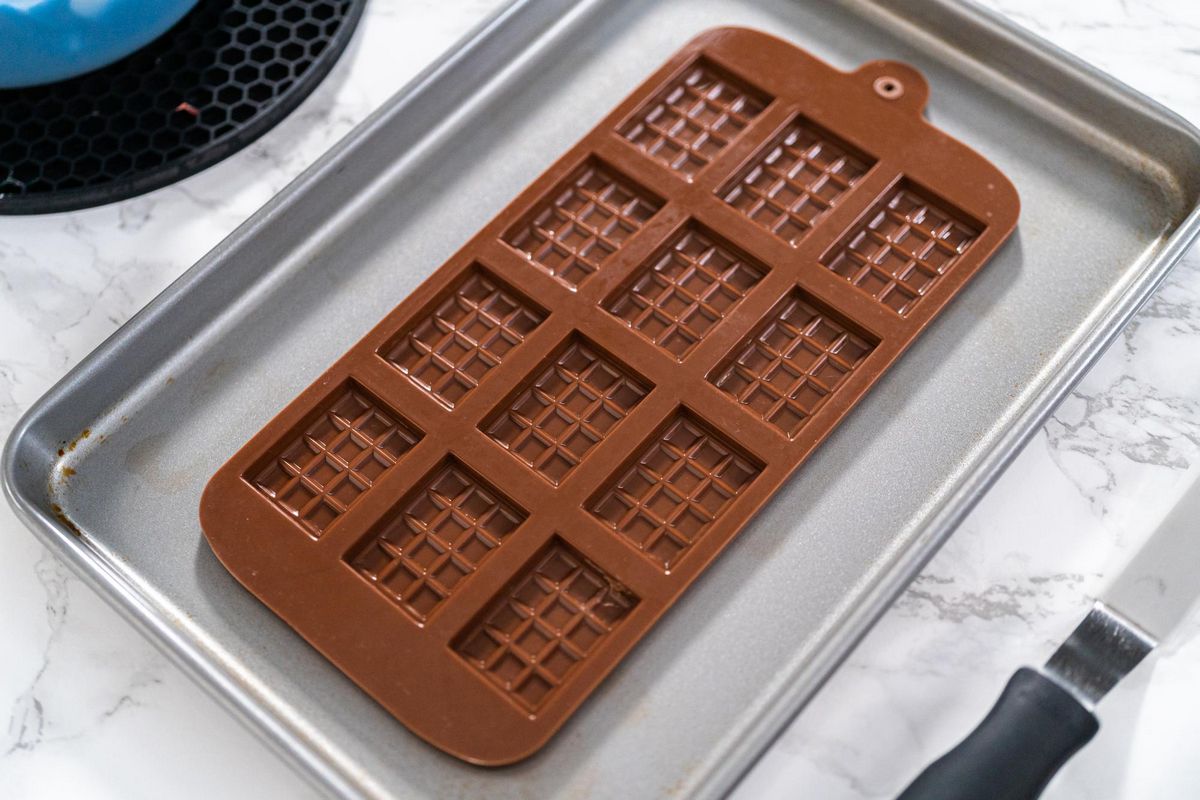
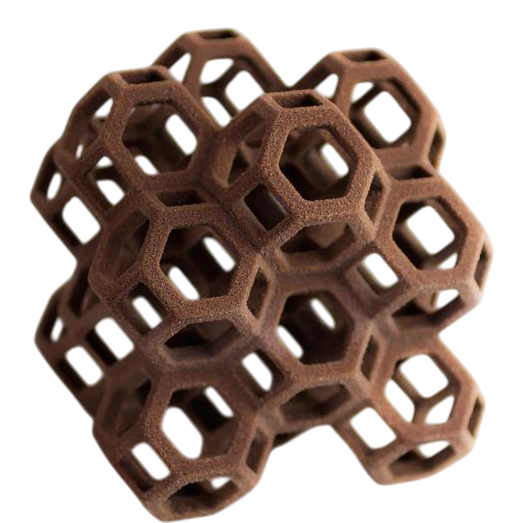
- Unlimited Design Freedom: Create complex shapes, delicate lattices, spirals impossible to achieve with traditional molds. The possibilities are limited only by imagination and the chocolate's ability to solidify.
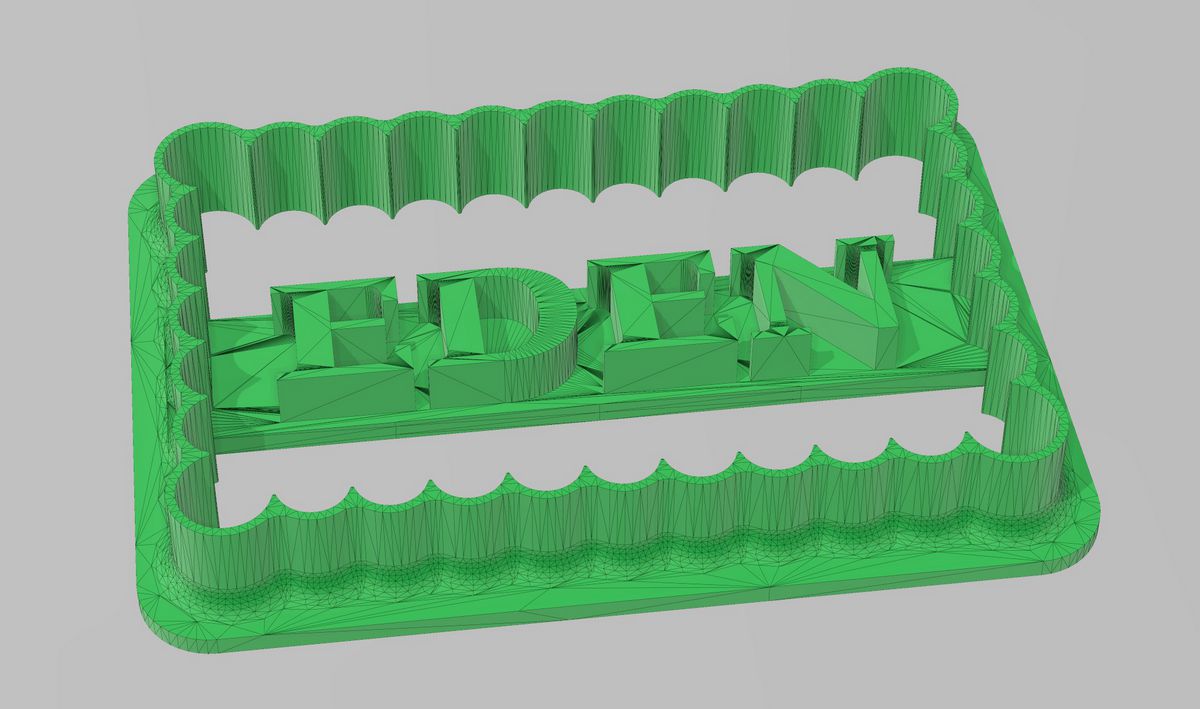
- Extreme Personalization: Print company logos, names, personalized messages, miniature figurines for special events (weddings, birthdays).
- Unique Culinary Experience: Transform an ordinary dessert into an edible work of art, adding a touch of originality and a "wow factor" for your guests.
- Marketing Innovation: Chocolate brands and food professionals can create exclusive products, unique samples or memorable promotional pieces.
- Waste Reduction: The additive process uses only the chocolate needed to create the object, minimizing waste compared to cutting or molding techniques.
Challenges and Limitations
Despite its promise, 3D chocolate printing presents challenges:
- Tempering Control: This is the major challenge. Poorly tempered chocolate won't print correctly, will lack shine, have a grainy texture or develop white bloom.
- Precise Temperature Control: Chocolate viscosity is very sensitive to temperature variations. Maintaining the right consistency during extrusion is tricky.
- Printing Speed: Chocolate prints are generally slower than plastic ones, as each layer must have time to solidify to support the next layer.
- Detail Precision: While allowing complex shapes, fine detail levels can be limited by nozzle size and chocolate fluidity, often less precise than plastic resin printing.
- Cleaning and Hygiene: Like any equipment in contact with food, the printer requires thorough cleaning and disinfection after each use.
- Cost: Specialized printers can be expensive, and the cost of quality chocolate, tempered or adapted for printing, must be factored in.
Practical Applications
3D chocolate printing is already finding its place in various sectors:
- Luxury Pastry and Confectionery: For complex cake decorations, personalized wedding chocolates, birthday cake figurines, or chocolate artwork.
- Hospitality and Fine Dining: Creating "signature" desserts with unique chocolate elements for upscale presentation.
- Events and Marketing: Original corporate gifts, personalized chocolates for trade show guests, or edible centerpieces for receptions.
- Specialized Shops: Offering on-demand chocolate personalization services.
3D chocolate printing is a fascinating fusion of cutting-edge technology and culinary art. It pushes the boundaries of creativity in the world of indulgence, allowing chefs, chocolatiers and designers to transform chocolate into personalized, edible works of art. While technical challenges related to tempering and precise temperature control persist, steady advances promise to make this technology increasingly accessible, offering a future where every bite can be a unique visual and gustatory experience.