What Is the Cheapest 3D Printer on the Market?

Finding the "cheapest" 3D printer depends on whether you're looking for a simple educational gadget or a machine truly capable of producing useful objects reliably.
In 2026, the market has stabilized around a few benchmark models that offer the best value for money.

🏆 The Absolute Price Record (Under $100)
Ultra-low-cost 3D printers do exist, often aimed at kids or casual hobbyists looking for a quick introduction.
-
Typical model: EasyThreed X1 (or similar models under other brand names).
-
Price: Around $70 to $90.
-
Reality: The build volume is tiny (often 10×10×10 cm), the frame is plastic, and precision is severely limited. It's more of a "science toy" than a creative tool.
🚀 The Best "Budget" Choice ($160–$200)
This is where you'll find machines that truly justify the investment. They're reliable, fast, and backed by large user communities.
| Model | Approx. Price | Key Strengths |
| Bambu Lab A1 Mini | $190 | Current gold standard. Plug-and-play, ultra-fast, highly reliable. |
| Creality Ender 3 V3 SE | $170 | A solid classic—easy to repair and upgrade. |
| Anycubic Kobra 2 Neo | $150 | Often the cheapest "real" printer with automatic leveling. |
| Elegoo Neptune 4 | $190 | Robust linear rails, smart cooling, and intuitive interface. |
💧 The Resin Alternative (Extreme Precision)
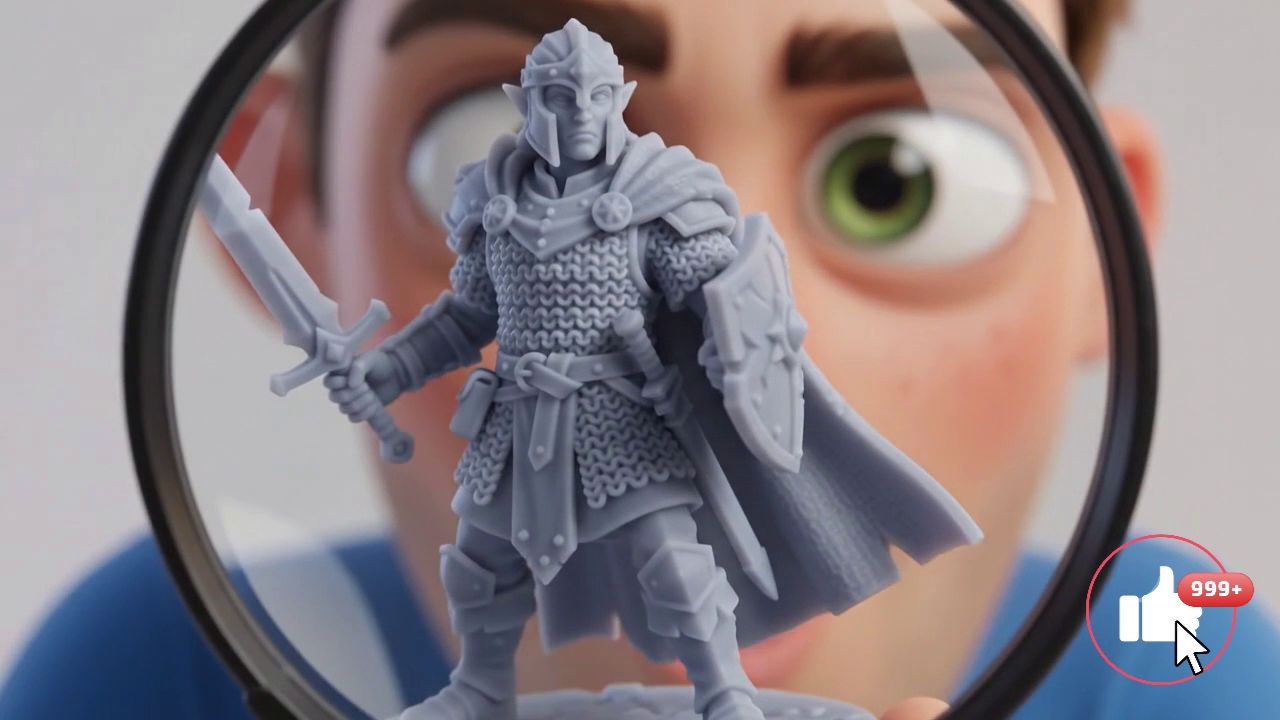
If you want to print highly detailed miniatures, resin printers are sometimes cheaper to buy than filament-based (FDM) machines.
-
Models: Elegoo Mars 4 or Anycubic Photon Mono 2.
-
Price: Often found around $150 on sale.
-
Heads up: Consumable costs (resin, cleaning alcohol) and practical constraints (fumes, gloves, toxicity) are higher.
💡 My Advice
If you're just starting out, I strongly recommend not going below the $150–$190 range. Below that, you'll spend more time fixing the machine than printing. The Bambu Lab A1 Mini is currently considered the best investment for a tight budget because it eliminates most tedious technical tweaking.