
Bambu Circle: How Does Bambu Lab’s Local Partner Network Work?
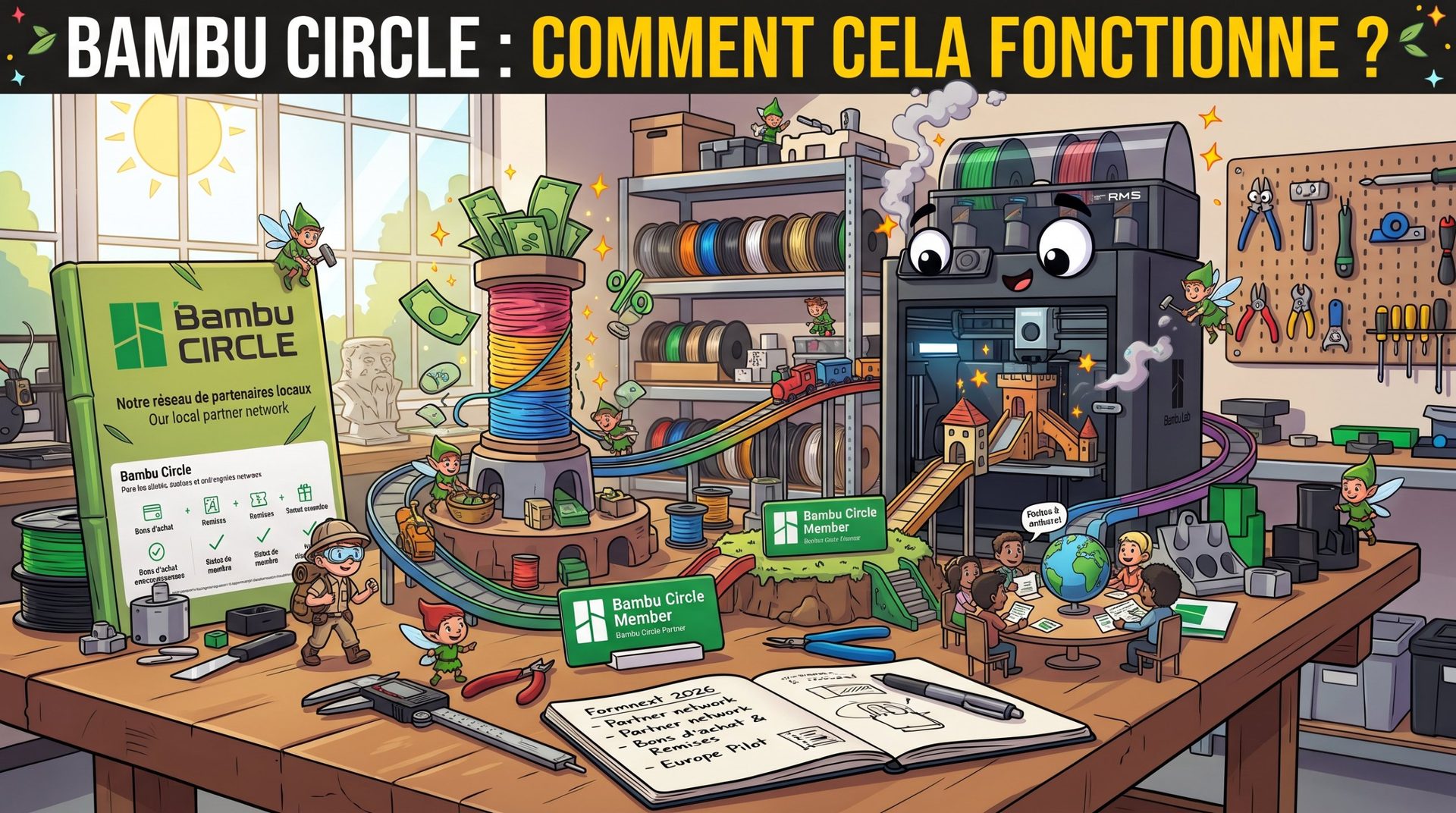
Presented at Formnext 2026 in Frankfurt, Bambu Circle is causing quite a stir in the community. Contrary to what its name might suggest, it isn’t a points or loyalty programme: it’s a network of authorised local partners, entrepreneurs who represent Bambu Lab near you. Here’s how it works and what it could change for makers.
1. What Is Bambu Circle?
Bambu Lab describes it as an authorised network of local entrepreneurs who bring the brand closer to its users. The stated goal is ambitious: eventually, every user in Europe should have a Bambu Circle partner within an hour’s drive.
In practice, Bambu Lab selects, trains and certifies these partners, coordinates the programme, and lets them offer services built around its printers and the MakerWorld platform.
2. What Partners Offer
- Servicing and repairs: diagnostics, maintenance and part replacement on Bambu Lab printers, without shipping the machine away.
- Local sales: printers, filaments and wear parts in small quantities, handy when you’re missing a nozzle or a spool on a Saturday.
- Printing on demand: printed parts for local individuals and businesses.
- Training and workshops: getting started, introductions to 3D modelling, maker meetups around the Bambu Lab ecosystem and MakerWorld.
3. What It Changes for Users
For a maker, the main benefit is having a real person to talk to: someone who can look at the printer, advise on a setting, help out with the right part, or simply bring local enthusiasts together. Bambu Lab presents the network as a complement to its online support, not a replacement.
4. Where and When?
- Pilot in the Netherlands: the programme starts in the Netherlands. According to Bambu Lab, 58% of Dutch users surveyed would like to earn extra income from 3D printing.
- Germany and France: planned for early 2027.
- Waiting list: it’s open to applicants across Europe, including countries not yet launched, on the official Bambu Circle website.
To become a partner, you need a registered business (a company or VAT number is required). Bambu Lab hasn’t yet disclosed the financial terms: entry fees, margins or commitments.
5. Open Questions
- The role of existing resellers: current Bambu Lab distributors already handle sales and after-sales service. Several observers wonder how the two networks will coexist.
- Consistent quality: many partners will do this as a side activity. Bambu Lab will need to monitor the quality of repairs and advice.
- Profitability: repairs, a few spools and printing on demand can supplement an activity, but rarely support you on their own. We covered these realities in our article on 3D print micro-farms.
6. Bambu Circle vs MakerWorld: What’s the Difference?
The two coexist but target different people. MakerWorld rewards 3D file creators: downloads, print profiles and contests earn points you can exchange for vouchers. Bambu Circle is aimed at entrepreneurs who want to offer in-person services. A partner can of course rely on MakerWorld, as long as they respect 3D file licences for any print they sell.
For the other announcements at the show, read our Formnext 2026 report.
And You, Would You Like to Become a Partner?
Repairs, filament sales, beginner workshops: would you like a Bambu Circle partner near you, or even to become one? Tell us in the comments!
Read also
 Formnext 2026: Desktop Toolchangers and the End of Multicolour Waste Steal the Show
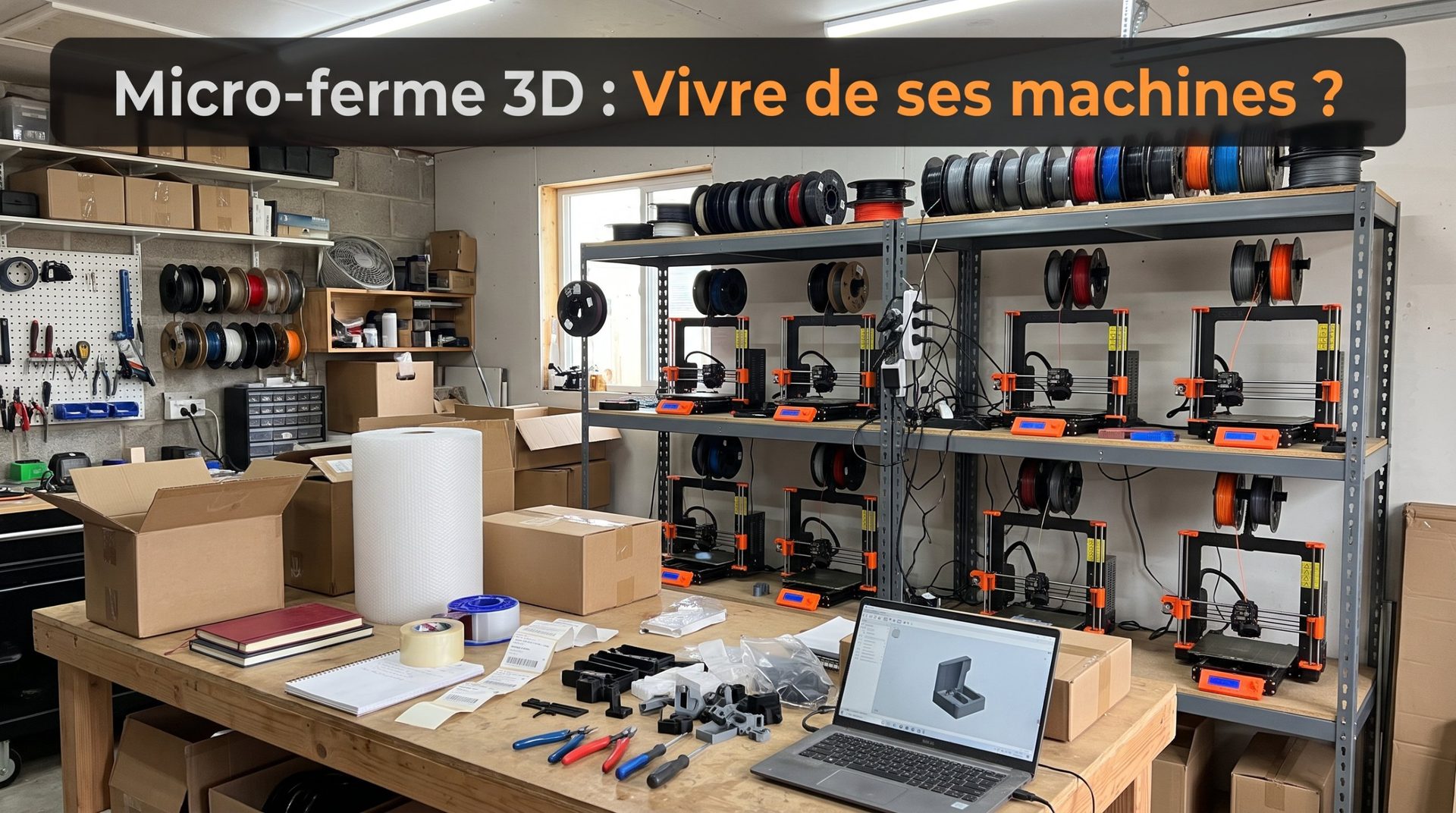 Setting Up a 3D Printing Micro-Farm: The Passive Income Myth vs. Real Margins
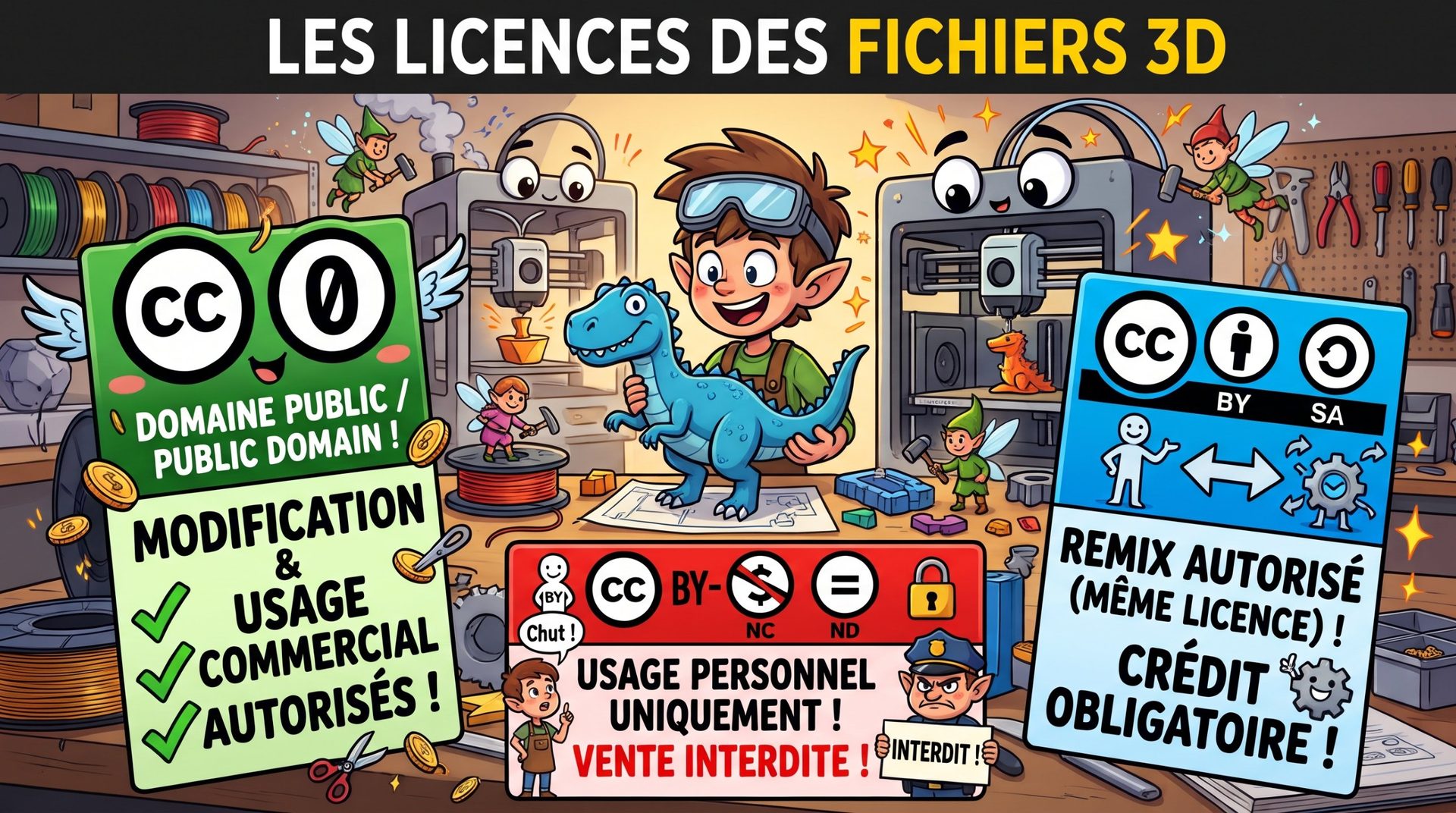 3D File Licences: What You’re Really Allowed to Do with an STL
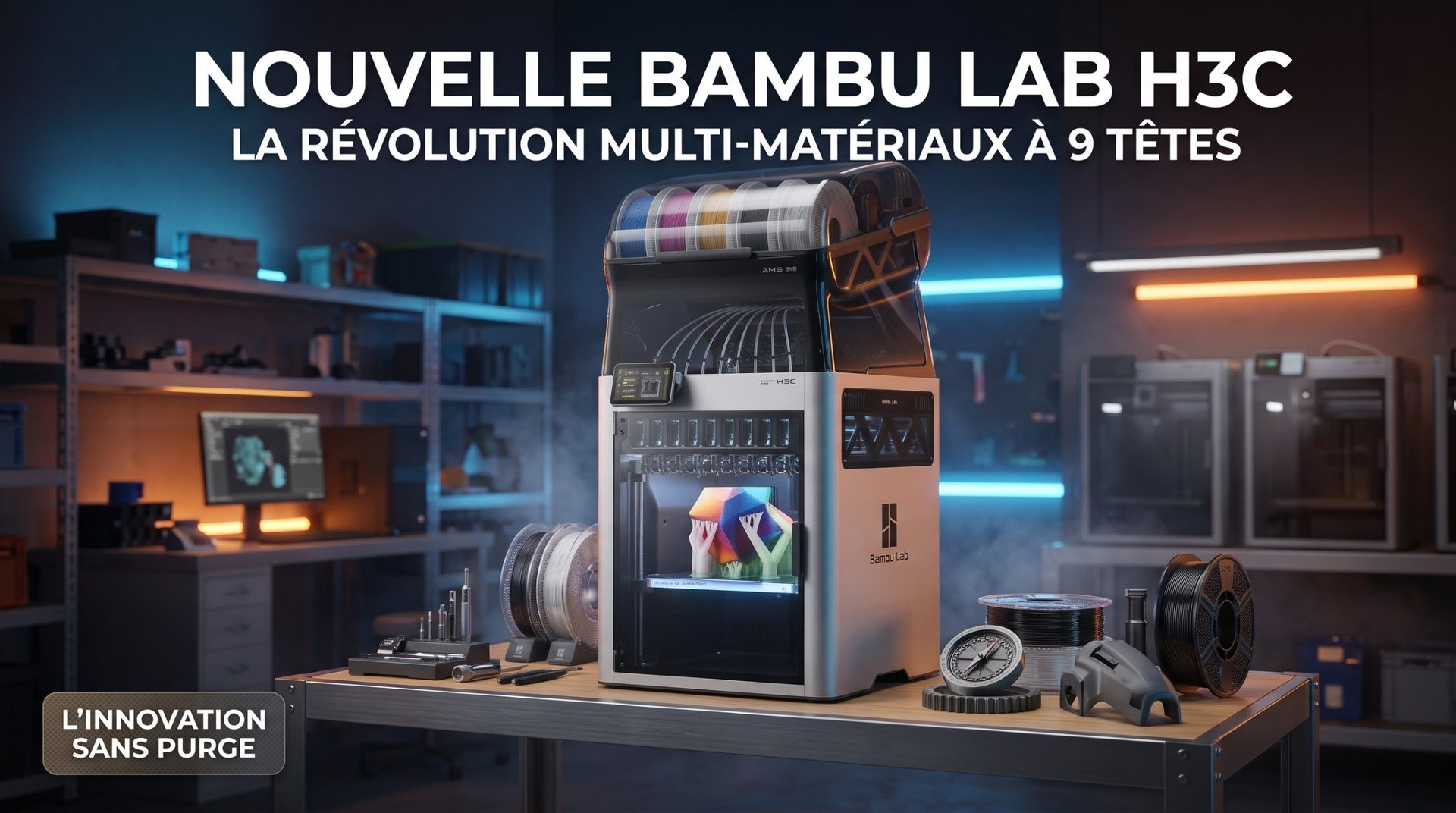 Bambu Lab H3C Official Launch: 9-Head Tool Changer Reinvents Multi-Material Printing