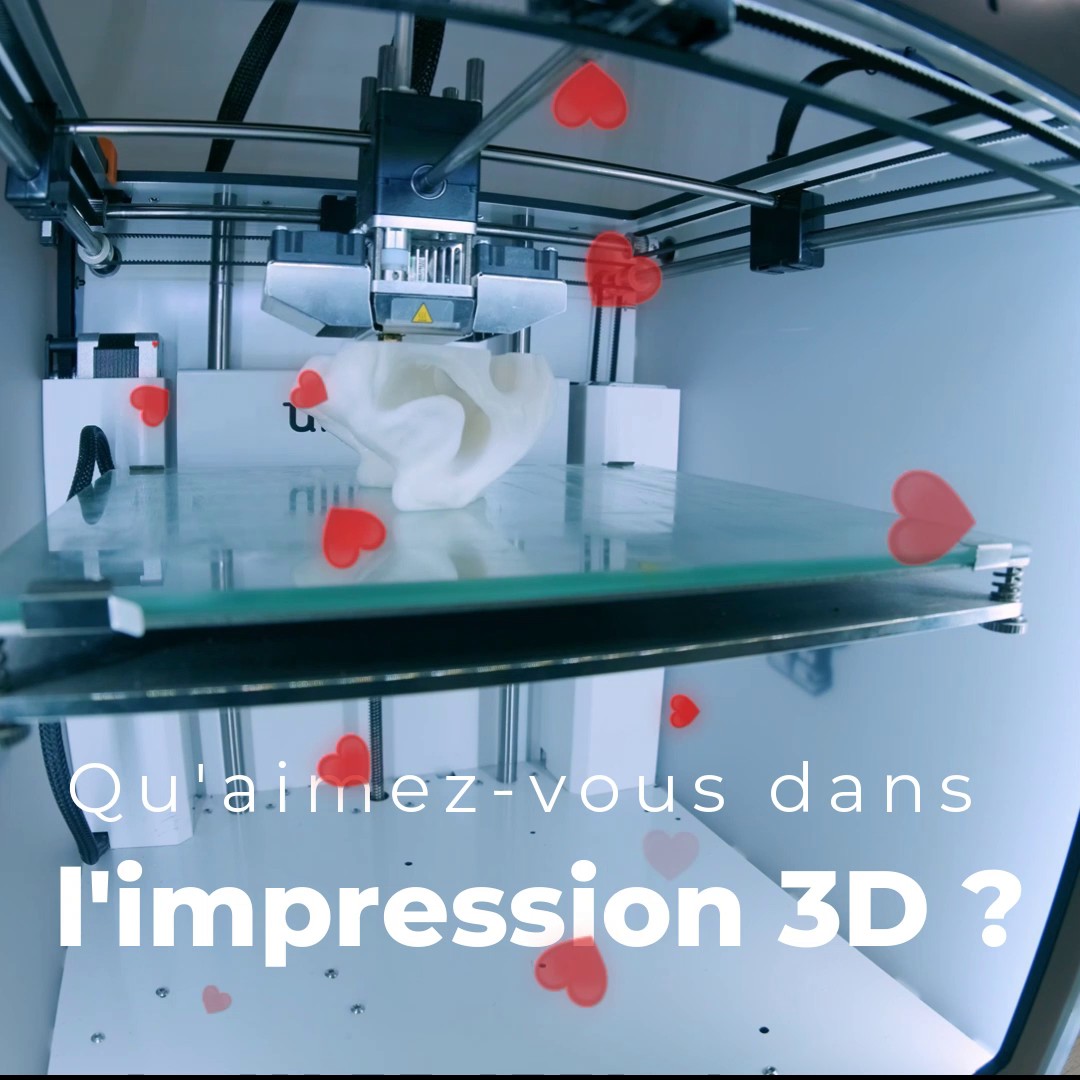
3D Printing at School: An Educational Tool for Creativity
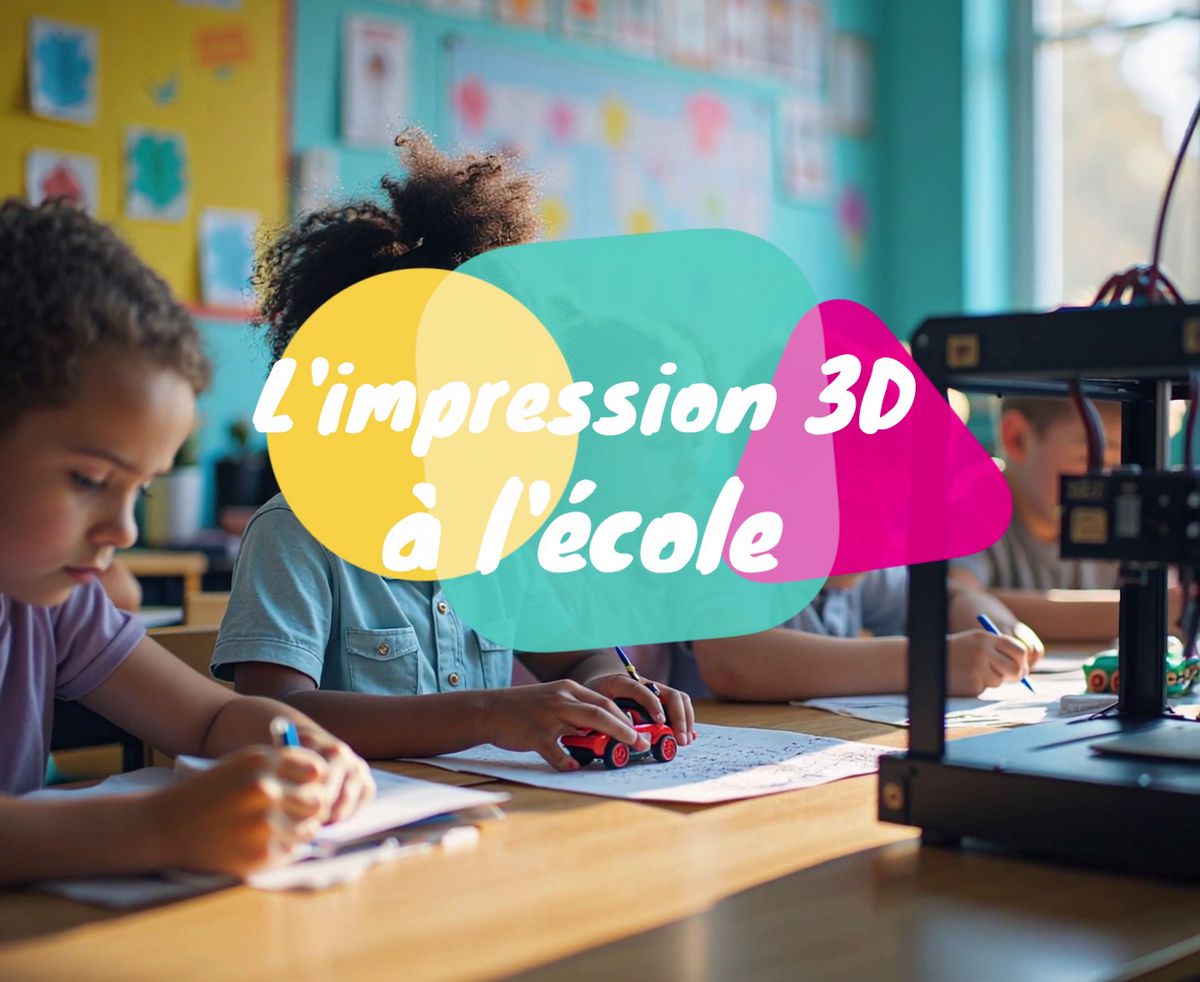
Once reserved for factories and laboratories, 3D printing is transforming education. By enabling students to move from theory to practice, it's no longer just a technological gadget, but a powerful educational tool that prepares the next generation for 21st-century challenges. Far from being limited to creating objects, it's revolutionizing the way we learn by doing.

From Theory to Practice: Learning by Doing
One of the greatest strengths of 3D printing is its ability to make abstract concepts tangible.
- In mathematics and geometry, students can design and print complex shapes to understand volumes, angles, and object properties concretely.
- In science, the technology makes it possible to materialize molecular models, human organs, or even geological features. Visualizing a heart or DNA structure in 3D makes these complex subjects easier to understand.
- In history and art, students can create miniature replicas of famous monuments, fossils, or artifacts, bringing history and culture to life.
Developing 21st-Century Skills
Beyond traditional subjects, 3D printing cultivates essential cross-cutting skills for the future.
- Computational thinking: The process of designing and preparing a 3D file requires students to think logically, break down a problem into steps, and anticipate challenges.
- Problem-solving: Print failures are frequent, and they're a valuable learning opportunity. Students must analyze the causes, adjust parameters, and persevere, developing critical thinking and resilience.
- Creativity and collaboration: 3D printing encourages creativity by allowing students to bring their wildest ideas to life. It also promotes teamwork, as complex projects often require collaboration and skill-sharing.
A Technology Within Schools' Reach
Once seen as an expensive investment, 3D printing is now more accessible than ever. The price of FDM (filament) printers has dropped significantly, and many modeling software options, like the hugely popular Tinkercad, are free and intuitive for beginners.
With basic training, teachers can easily integrate this tool into their curriculum, creating engaging and memorable projects for students.
In short, 3D printing isn't just a fad. It's an educational revolution that transforms passive learning into active, engaging education. It prepares the next generation of inventors, engineers, and creators to build tomorrow's world.