Make Your Own Bird Feeder 🐦 with 3D Printing

3D printing is a fantastic tool for outdoor projects, combining functionality, customization, and technology. The bird feeder is a perfect project for makers who want to contribute to local wildlife while testing how robust their prints are against the elements.
Here are the keys to successfully designing and manufacturing a unique bird feeder.

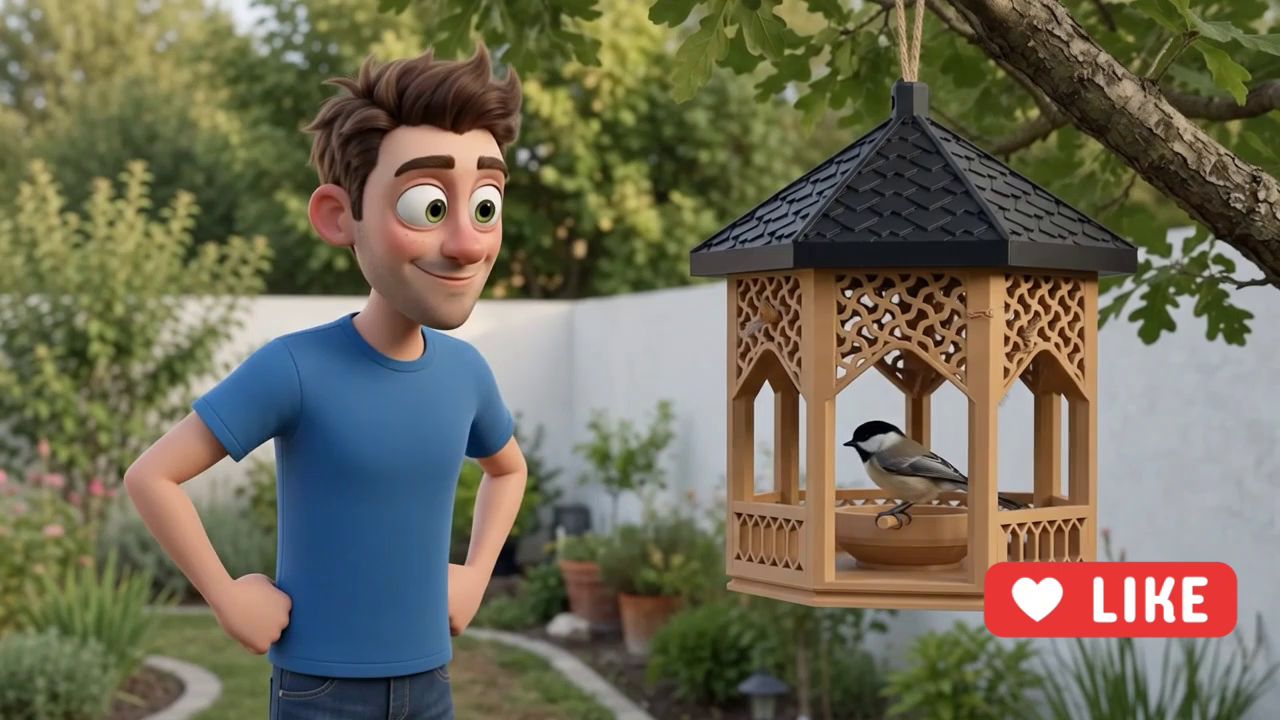
(Image and 3D File Source: Printednest via MakerWorld)
1. Design: Think About Birds and Durability
A successful feeder must first and foremost be functional and hygienic for birds:
- Modular Design: The best models are often made of several parts:
- The Roof: Should be wide and sloped to protect seeds from rain and condensation, preventing mold.
- The Reservoir: A funnel system or inverted jar (which can be partially 3D printed) ensures gradual seed distribution.
- The Tray/Bowl: Should be easily removable for quick and frequent cleaning. This is the most important step to prevent disease spread among birds.
- Functional Elements: Plan for drainage holes in the tray to evacuate water, hooks or mounting systems for hanging (window, branch, stake) and textured edges to make it easier for birds to land and grip.
2. Material Choice: Strength and Weather Resistance
The feeder will be exposed to UV rays, rain, frost, and impacts. Filament selection is therefore crucial:
- The PETG (Polyethylene Terephthalate Glycol): The Winner. PETG is ideal for outdoor projects. It offers:
- UV and Water Resistance: Unlike standard PLA which degrades and warps in intense summer heat or prolonged sun exposure, PETG maintains its structural integrity.
- Strength and Ductility: It is robust and impact-resistant (drops, strong winds), less brittle than PLA.
- PLA (Polylactic Acid): Best Avoided for Outdoors. Unless treated or painted, PLA can soften and warp above 50-60°C (temperatures often reached in direct sunlight), compromising the feeder's shape.
- Material for Hygiene: Polypropylene (PP), while challenging to print, is considered the most hygienic (non-toxic and easy to clean), a major advantage for areas in direct contact with food.
3. Technical Tips for Printing
For durable and effective printing, a few parameters should be adjusted:
- Watertightness: Increase the number of perimeters (walls) (at least 3 or 4) to ensure good sealing of the reservoir walls.
- Infill: Moderate infill (20% to 40%) is generally sufficient for the structure, using a robust pattern (cubic or hexagonal).
- Cleaning: During design, minimize corners and sharp angles where seeds and moisture could accumulate and create mold. Print the "bowl" section with properly sized drainage holes.
By using the right materials and thinking about ease of cleaning from the design stage, your 3D-printed feeder will become a durable and welcome addition to your garden, offering a safe food source for your feathered friends.