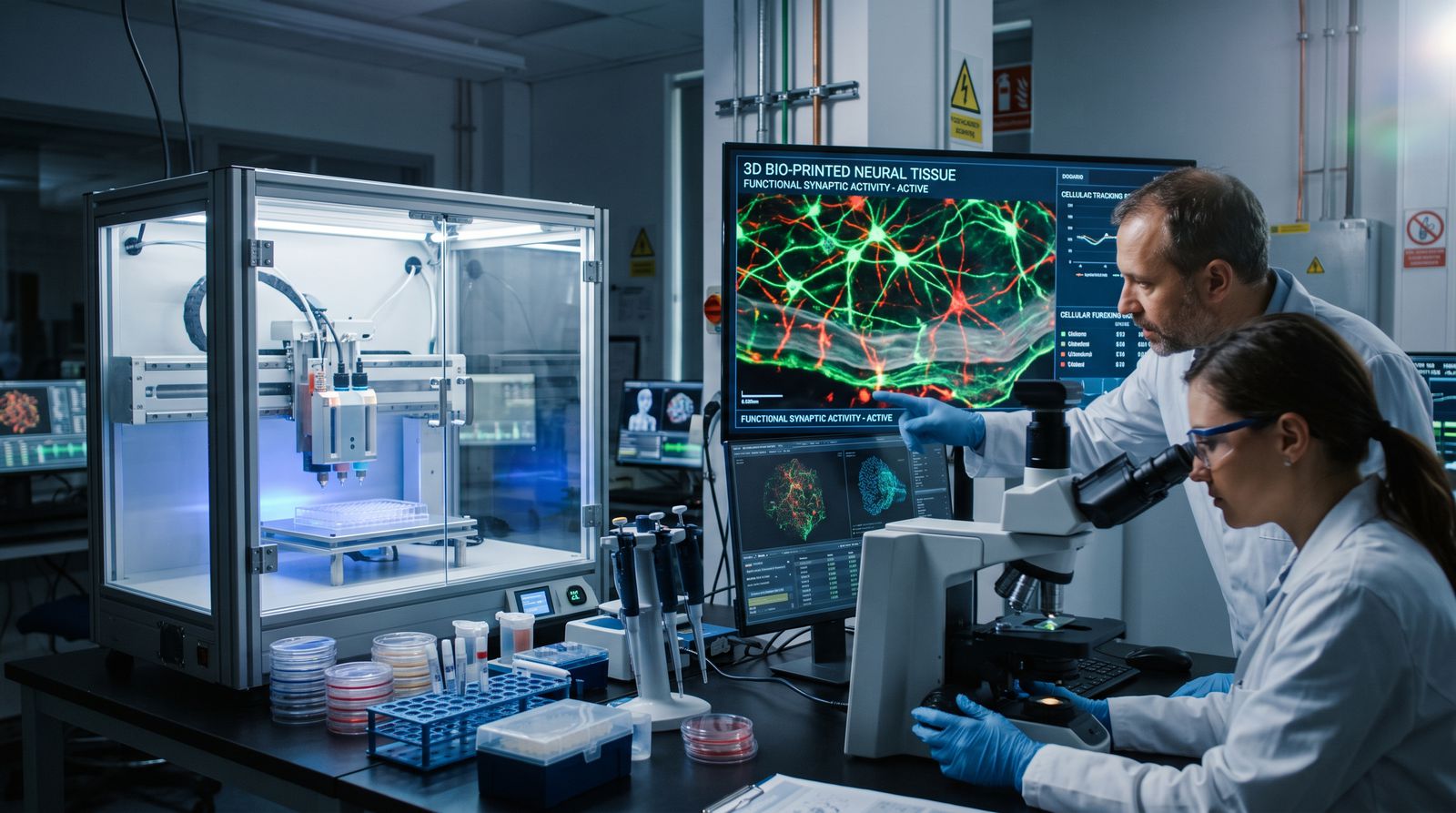
Did You Know You Can 3D Print a Human Organ?
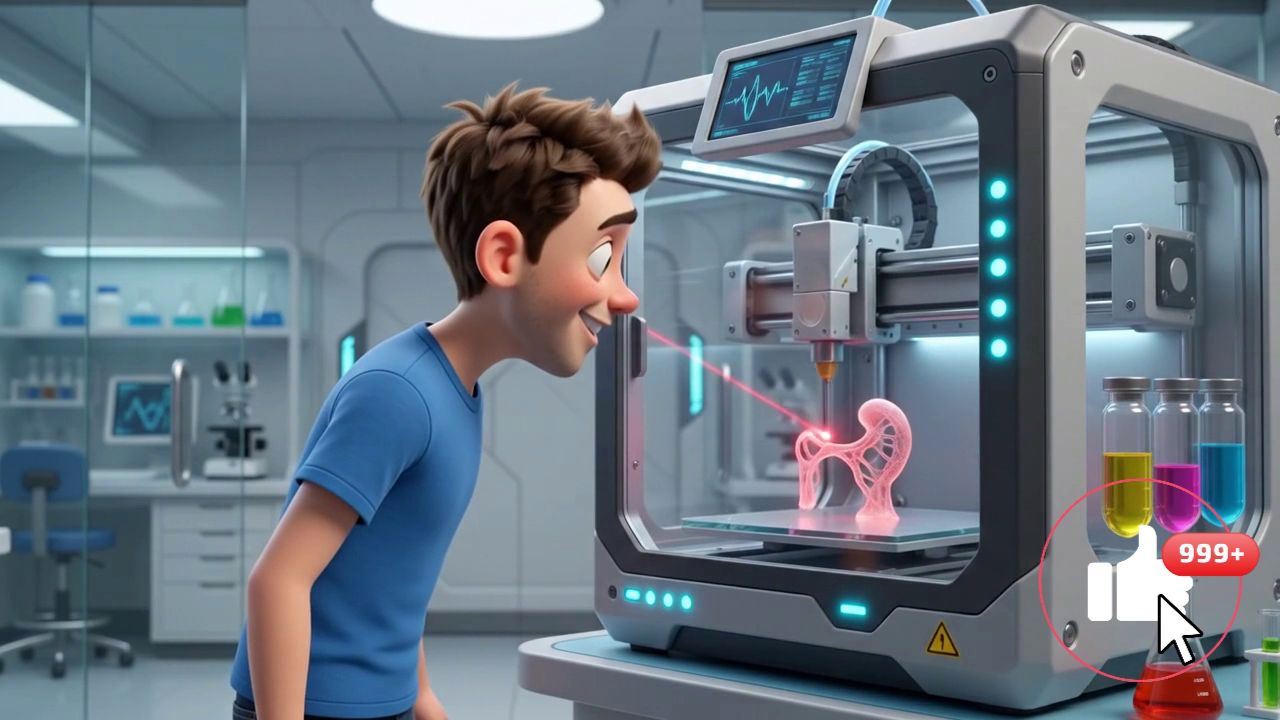
Science fiction is increasingly making its way into our hospitals. While 3D printing is now commonly used to manufacture plastic or metal parts, a far more fascinating revolution is underway: bioprinting. But is it really possible to create a human organ from scratch using a printer?
The answer is yes, but with some important nuances. Here's how science is pushing the boundaries of medicine.
✅ How Does Bioprinting Work?
The basic principle remains the same as a standard 3D printer: you layer material on top of itself to create a three-dimensional object. The major difference lies in the "ink" being used.
-
Bio-ink: Instead of using melted plastic, scientists use a gel-like substance (often hydrogel) loaded with living cells.
-
Cell origin: To avoid any risk of rejection, these cells are typically stem cells harvested directly from the patient.
-
Design: A digital model of the organ or tissue is created from MRI or CT scans, serving as a blueprint for the printer.
✅ What's Already Possible Today
While we're not yet able to print a human heart ready for transplantation, current advances are already spectacular. Researchers can now print:
-
Skin: Extremely useful for treating severe burns or testing cosmetic products without using animals.
-
Cartilage and bone: Relatively simple structures that can help repair joints.
-
Mini-organs (organoids): Miniature, simplified versions of livers or kidneys. They're crucial for testing the effectiveness and toxicity of new drugs before clinical trials.
✅ The Major Challenges Ahead
Printing a flat tissue or a small piece of cartilage is one thing; printing a complex, massive, and functional organ is another. Scientists face several major challenges:
-
Vascularization: An organ needs an extremely complex network of blood vessels (arteries, veins, capillaries) to deliver oxygen and nutrients to cells. Reproducing this microscopic network is currently the main obstacle.
-
Maturation: Once the cells are printed, they must "learn" to work together so the organ functions properly.
-
Long-term survival: Keeping cells alive during the printing process and after implantation remains complex.
✅ A Future Without Waiting Lists?
The ultimate goal of bioprinting is clear: end the organ shortage for transplants. While it will likely take several more decades before bioprinted hearts or livers are routinely transplanted into humans, progress is exponential. Bioprinting promises a medical revolution where every patient could receive a fresh organ, created from their own cells, completely eliminating waiting lists and rejection risks.