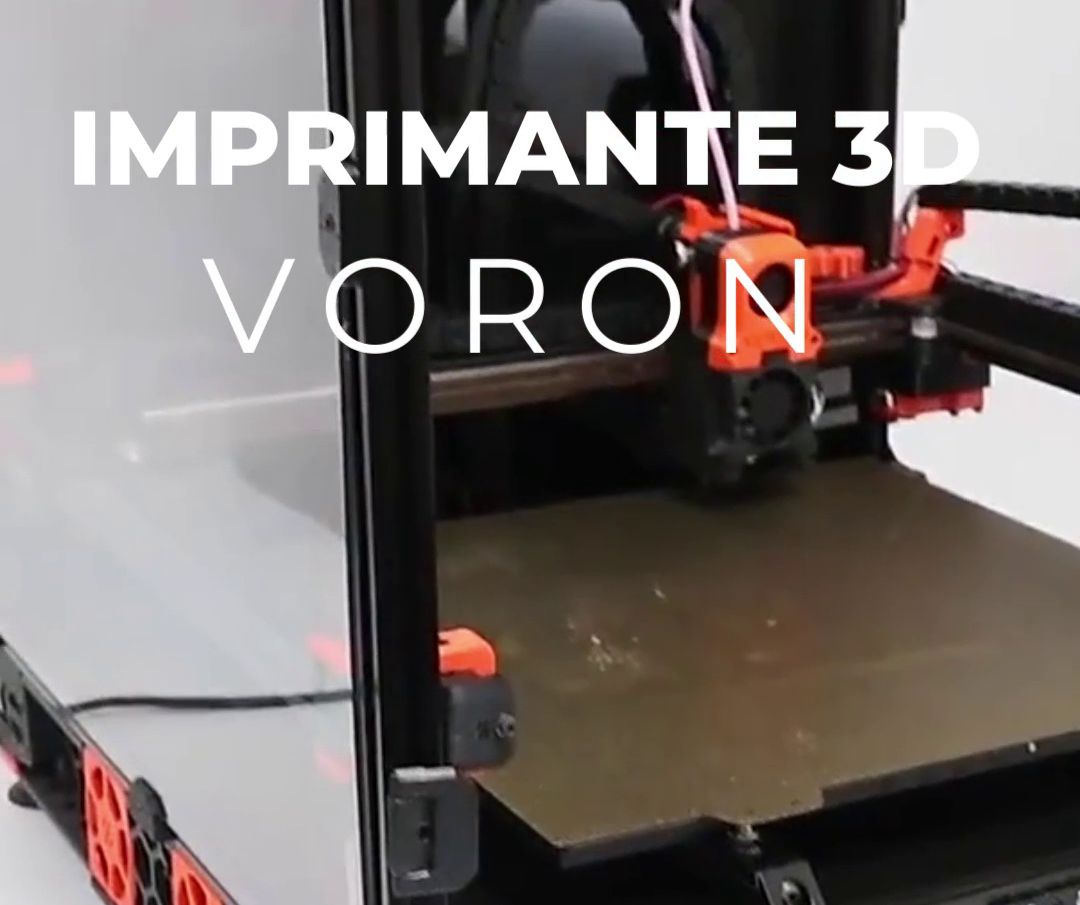
The Voron Ecosystem in 2026: Updates, AWD and Phoenix Project
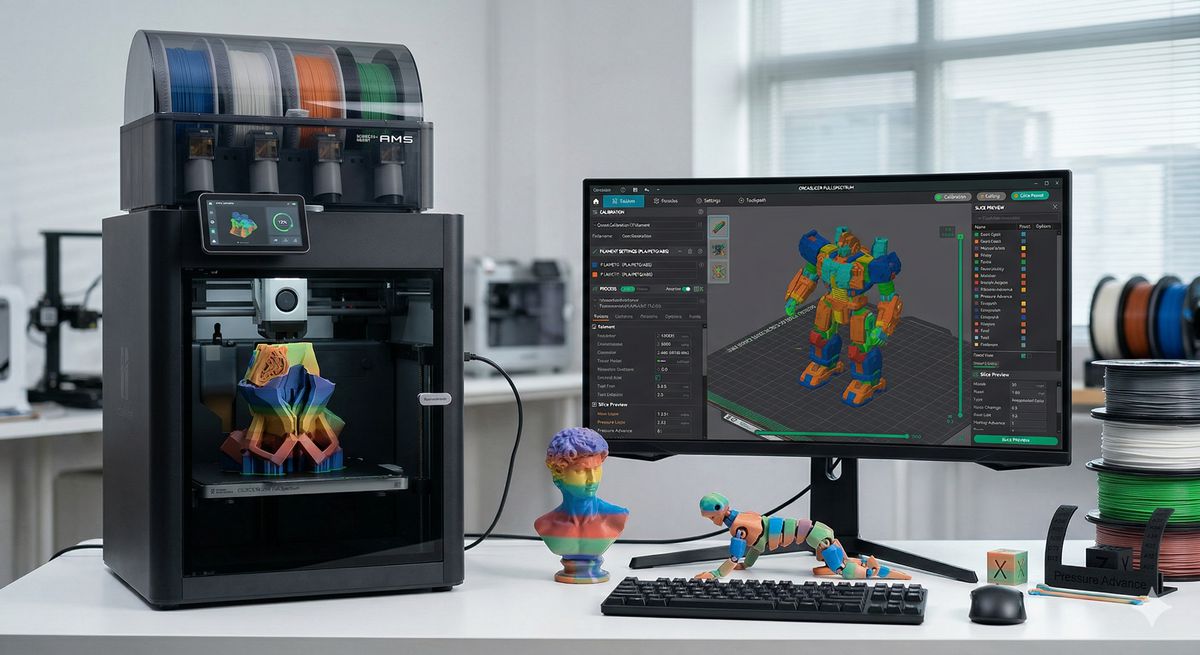
The year 2026 marks a true turning point in the world of 3D printing. With the arrival of increasingly intelligent and automated "ready-to-use" machines (like the new Bambu Lab or Prusa 3D printers), the question naturally arises: what is the place of Voron printers today?
While the mass market is shifting toward closed ecosystems and simplicity, the Voron community, faithful to its open-source philosophy, has not said its last word. Here's an overview of the latest developments and state of the art in the Voron ecosystem in 2026.
✅ Major Voron Trends and Updates in 2026
The Voron project doesn't operate on annual "release cycles" like commercial manufacturers, but rather through continuous iterations driven by the community. In 2026, several major developments dominate discussions and workshops:
✅ The Widespread Adoption of AWD (All-Wheel Drive)
To compete with the blazing speeds of recent commercial printers, many makers are now equipping their Vorons (particularly the Trident 300 and V2.4) with AWD systems. Instead of two motors managing the X and Y axes (standard CoreXY), AWD uses four. This enables:
-
Much more aggressive accelerations without loss of quality.
-
Better force distribution across the belts, reducing ringing (vibrations on prints).
✅ The Multi-Material Challenge (ERCF)
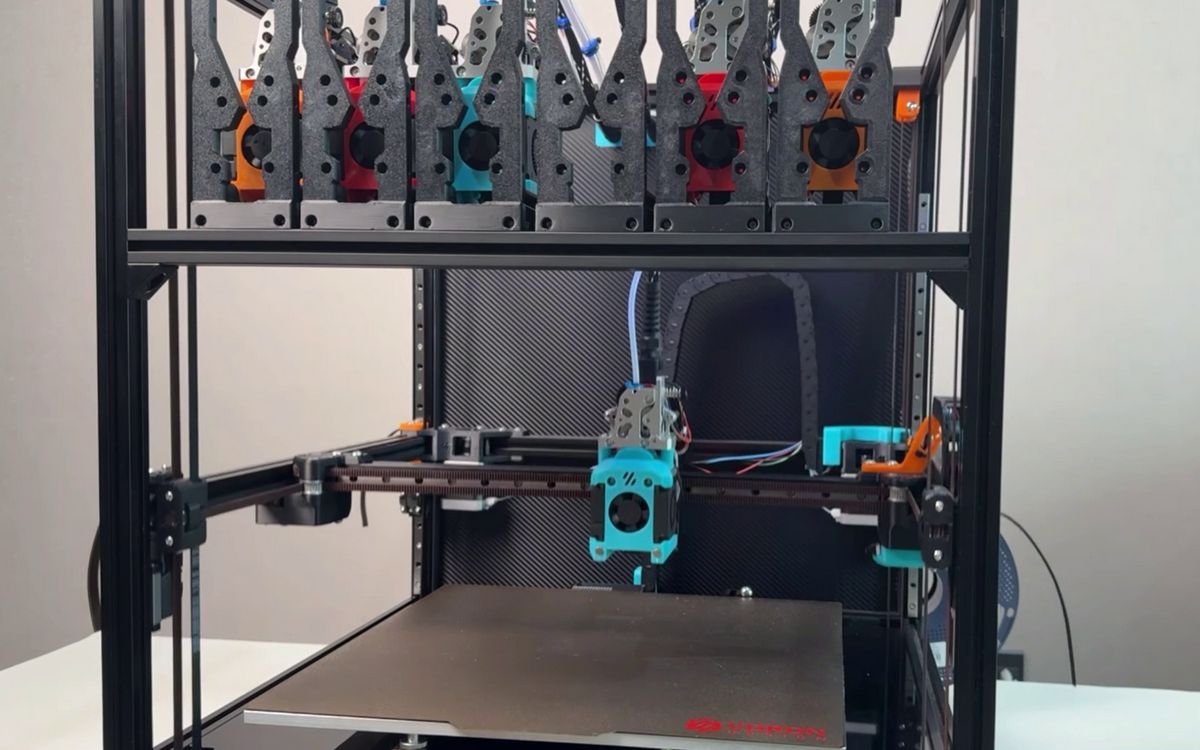
Multi-color printing has become an industry standard. For Voron owners, the solution often goes through the ERCF (Enraged Rabbit Carrot Feeder). In 2026, this open-source system has gained maturity, though it remains finicky to configure compared to Bambu Lab's AMS. Voron creators are working extensively on integrating "Tool Changers" (complete tool changes) or software improvements in Klipper to make filament changes more reliable and reduce waste.
✅ The Voron Phoenix Project on the Horizon
This is the year's big talking point. While classic formats (250, 300 and 350 mm) are well-established, the community eagerly awaits the Voron Phoenix project. Designed to fill the gap for those who need to print massive parts (often beyond 400 mm or 500 mm), the Phoenix completely rethinks chassis rigidity and kinematics to avoid defects inherent in oversized printers.
✅ Should You Still Build a Voron in 2026?
With high-performance machines available out of the box, building a Voron (which requires dozens of hours of assembly, wiring and software configuration under Klipper) means asking yourself the right question: what is your goal?
| Profile | Recommendation | Why? |
| The Pragmatic User | Bambu Lab / Prusa | You want the machine to be a tool for printing objects (prototyping, cosplay, functional parts) without worrying about the mechanics. |
| The Enthusiast / Engineer | Voron Design | Your hobby is 3D printing. You love understanding how it works, modifying your machine, optimizing it to the millimeter and having a 100% repairable platform without dependence on the cloud or proprietary support. |
✅ The Undeniable Advantages of a Voron Today:
-
Hardware Freedom: In 2026, you have your pick of tools. Ultra-lightweight print heads, custom extruders, next-generation motherboards... You build a machine that meets your exact needs.
-
Technical Material Printing: Thanks to its extremely well-designed enclosed chamber, a Voron V2.4 or Trident remains one of the best desktop machines for printing ABS, PC (Polycarbonate) or ASA with excellent layer adhesion, without warping.
-
Community: The community support is exceptional. There is no technical problem that hasn't already been solved on Reddit or the official Discord.
✅ The Verdict
In 2026, the world of 3D printing has become more professional, but the charm of building from scratch remains intact. Building a Voron is no longer a necessity to get perfect, fast prints. It has become a passionate choice. If you're after the ultimate satisfaction of watching a complex machine come to life under your hands, the Voron project remains the absolute benchmark for open-source engineering.