Start Your Own 3D Printing Shop: The Complete Guide
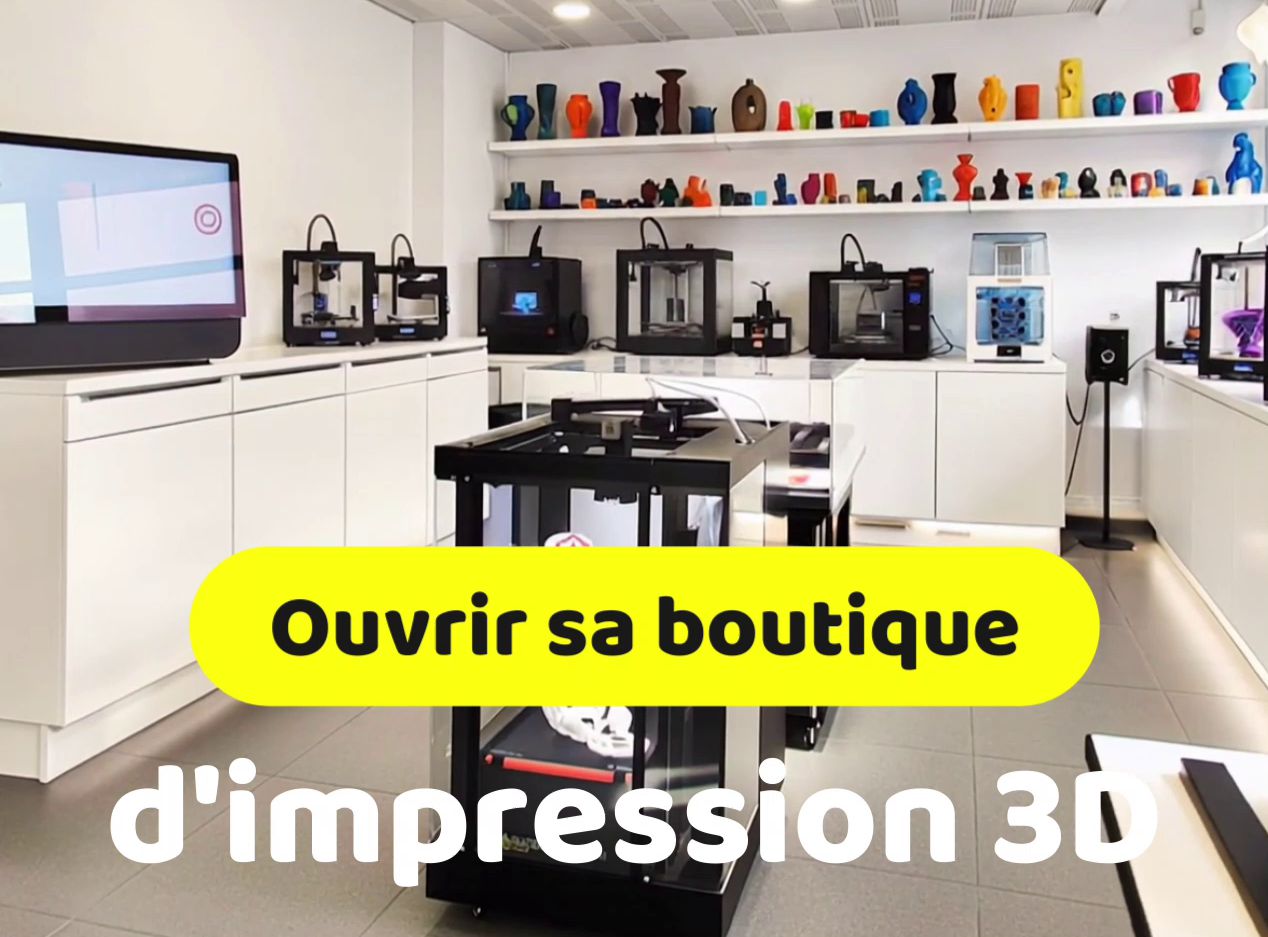
The 3D printing market has exploded, moving from a niche hobby for enthusiasts to an increasingly mainstream production tool. For many entrepreneurs, the idea of opening a physical shop dedicated to this technology is a dream. But such a business is much more than a simple retail store: it's a center of expertise, service, and innovation.

1. Define Your Business Model: More Than Just a Store
In the age of online commerce, a physical shop must offer added value that websites cannot provide. Your business model should be built around several pillars to ensure your profitability.
- Equipment and consumables sales: This is the heart of your business. Offer a selection of 3D printers, from beginner models (like Creality Ender) to professional-grade options, plus a wide range of filaments, resins, and accessories (post-processing tools, spare parts).
- On-demand printing services: An essential service for individuals, students, or small businesses who need a part without wanting to invest in a machine. This ensures a steady revenue stream.
- Training and workshops: Organize sessions to teach the basics of 3D printing, from modeling to machine operation. This is an excellent way to build customer loyalty and position yourself as an expert.
- Advice and technical support: This is your main competitive advantage against web giants. Offer after-sales service, repairs, and personalized guidance to help customers succeed with their projects.
The Franchise Option
For those who want to launch with reduced risk, franchising is a solid alternative. Brands like Atome3D or LV3D offer turnkey business models.
- Advantages: You immediately benefit from an established brand's reputation, a network of suppliers, comprehensive training, and marketing support.
- Considerations: This model involves higher initial investment (franchise fee) and less freedom in running your shop, which must comply with the brand's standards.
2. Key Steps to Get Started
Once your concept is defined, it's time to move into the planning phase.
- Market research and location: Identify your target audience. Cities with engineering schools, design studios, or a strong maker community are ideal locations. Choose a visible and easily accessible spot.
- Business plan: Develop a solid document detailing your financial projections, initial costs (rent, inventory, salaries), marketing strategy, and growth objectives. This document is essential for securing funding.
- Supplier selection: Choose reliable and recognized partners for sourcing printers and consumables. Build good relationships with distributors to ensure product quality and availability.
- Legal structure: You can start with a micro-business for a simple launch, or opt for an LLC or corporation if you're planning rapid growth and significant investments.
3. Create the Customer Experience: The Role of the Physical Store
Your shop must be a vibrant, interactive space that makes customers want to walk through the door.
- Demo area: Install working printers so customers can see additive manufacturing magic in action. This is particularly effective for convincing beginners.
- Human expertise: Your team is your greatest asset. Staff should be passionate, well-trained, and able to answer any question, from filament selection to troubleshooting technical issues.
- Build community: Organize regular events like open houses, mini-workshops, or maker evenings. Turn your shop into a meeting place for enthusiasts.
Opening a 3D printing shop is an ambitious project, but it's also an incredibly rewarding adventure. By positioning yourself as a center of expertise and creation, you won't just sell machines—you'll help build the future of manufacturing.