Start Your Own 3D Printing Business
3D printing has evolved beyond a mere hobby to become a powerful production tool. More and more enthusiasts are taking the leap and turning their passion into a real business. But how do you transition from a hobby to a profitable business model? Here's a guide to help you launch your own 3D printing business.

1. Finding Your Niche: The First Step
The 3D printing market is vast. Positioning yourself as "a 3D printing business" is too generic. Success relies on specialization.
- On-demand prototyping service: Offer your services to startups, designers, and engineers who need to quickly prototype functional parts.
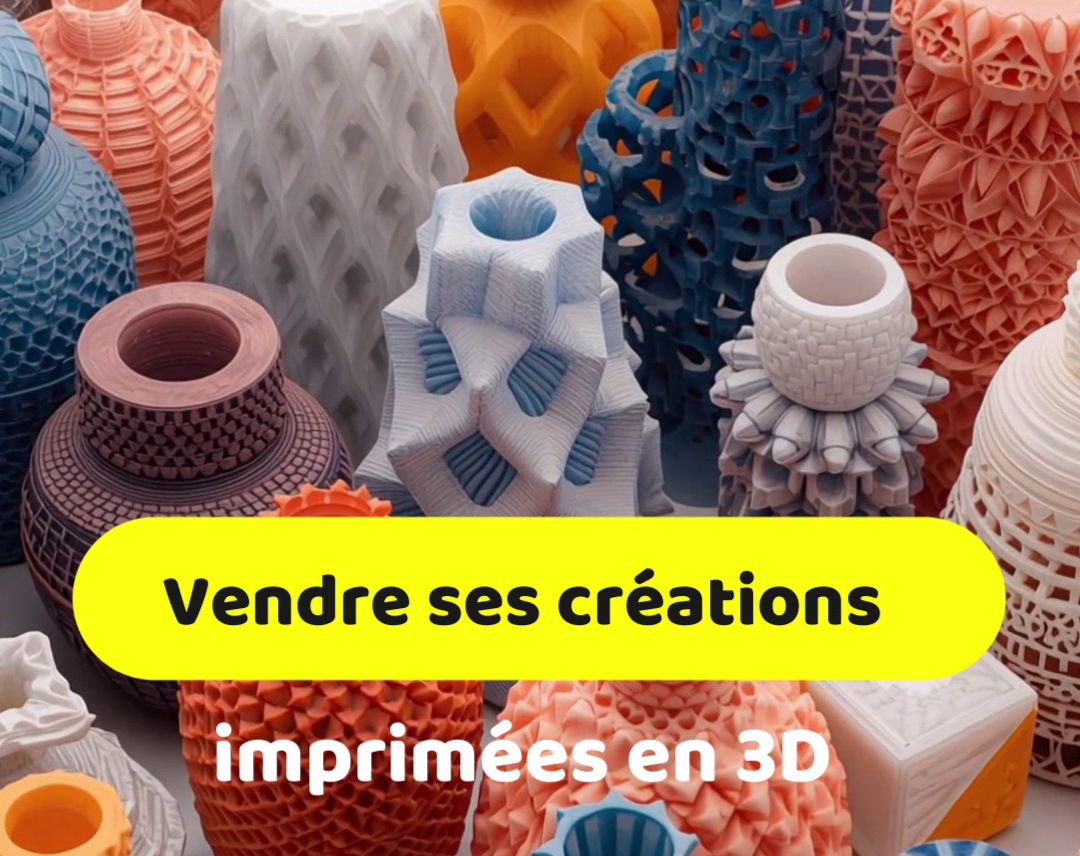
- Niche product creation: Focus on a specific market. Create and sell unique products for board game enthusiasts, sci-fi fans (cosplay), interior decoration, or fashion accessories.
- 3D file sales: If you excel at 3D modeling, your business can specialize in selling digital files (.STL files) on platforms like Cults3D or MyMiniFactory, an excellent source of passive income.
- Custom repair services: Offer to model and print replacement parts for broken objects. This is a highly sought-after local service.
2. Key Steps to Get Started
Once your niche is defined, you need to structure your project as a real business.
- Business plan: Define your target customer base, your services, your pricing strategy, and your financial projections. This document is your roadmap.
- Equipment selection: For professional activity, reliability is paramount. Invest in robust and reliable machines, and plan to buy filament in bulk and materials for post-processing (sander, paint, finishing tools).
- Legal status: In France, many starting entrepreneurs begin under the micro-business regime. It's a simple status with minimal administrative requirements and a favorable tax regime for small activities. Don't hesitate to consult an expert to make the best choice.
- Marketing and communication: Your image is crucial. Create a professional website and a presence on social media (Instagram, TikTok) with high-quality photos and videos. Showcase the creation process and highlight the quality of your products.
3. Challenges to Overcome
- Quality above all: A professional client expects flawless results. Ensure your prints are perfect and that you master the materials you use.
- Cost calculation: Your prices must be profitable. Don't just calculate the cost of filament. Account for machine wear, electricity, time spent on design, printing, and finishing.
- Time management: Launching a business takes time. You'll need to juggle production, modeling, marketing, order management, and accounting.
Launching a 3D printing business is an ambitious project, but also incredibly rewarding. It's an exciting way to turn a technical skill into a source of income while contributing to a rapidly growing sector.