
Creality K3: the 4-Nozzle Printer Arrives in Europe to Revolutionise Multicolour
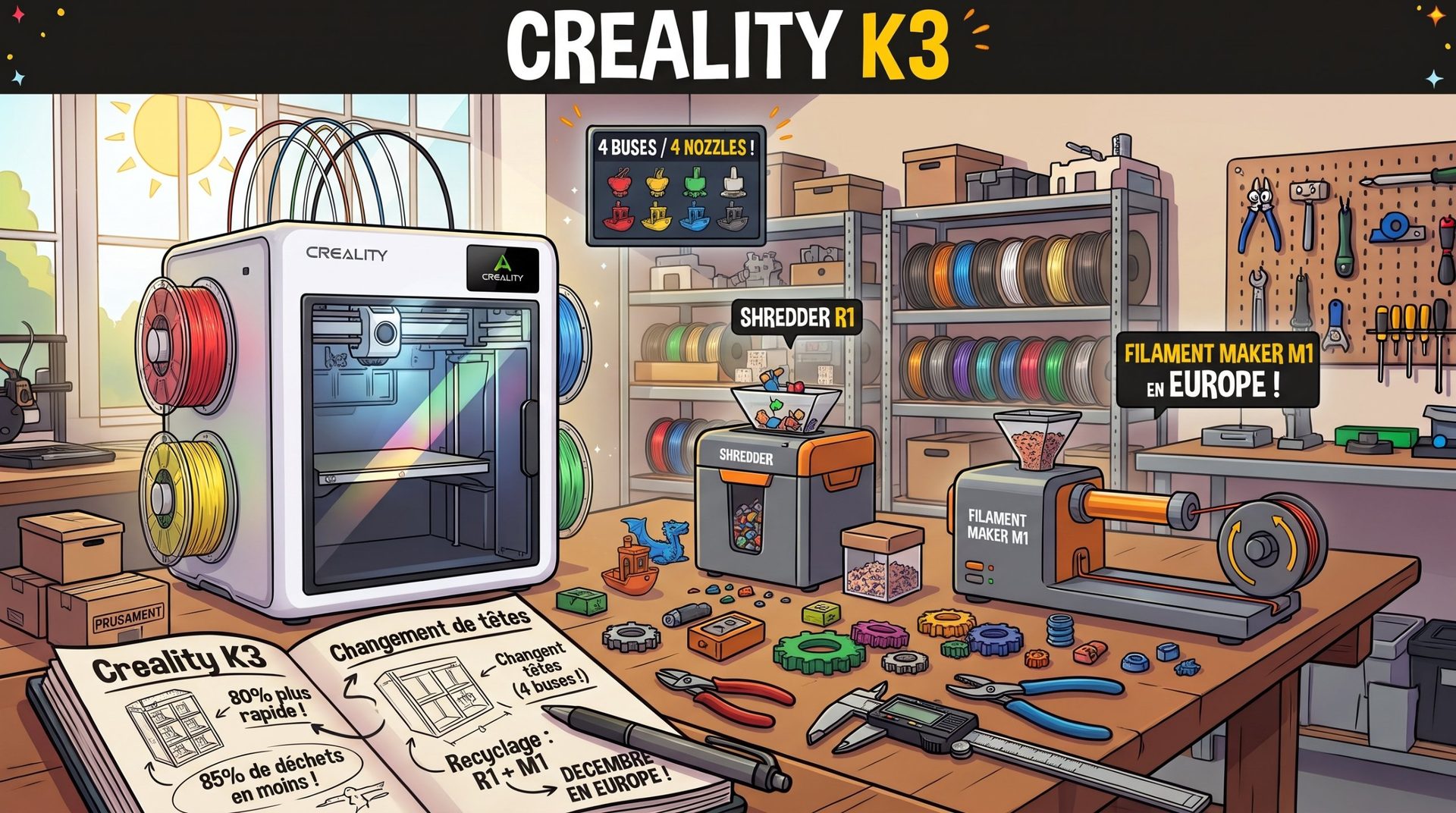
Anyone who prints in several colours knows the big curse of single-nozzle systems such as Bambu Lab’s AMS or Prusa’s MMU by heart: the famous purge towers and the dozens of little bits of plastic lost at every filament change.
To tackle this problem, Creality is making a big move with the Creality K3, a 3D printer with 4 independent nozzles thanks to its KliTek nozzle-changing system. Opened for pre-order in October 2026, it arrives in Europe at the end of the year, promising to slash waste and waiting times.
Alongside it, the brand offers a desktop mini recycling plant to turn failed prints and offcuts into new filament spools.
1. The Creality K3: how does the 4-nozzle system work?
With a comfortable build volume of 260 × 260 × 260 mm, the K3 doesn’t feed every filament through one single nozzle. It uses a nozzle-changing system:
- Four separate “tools”, each with its own nozzle, ceramic heater and filament path, wait their turn on the machine.
- A single print head, carrying the extruder and fan, picks up the tool it needs. According to Creality, a swap takes about 5 seconds.
- No full nozzle flush: each colour keeps its own nozzle, so there is no need to purge and reload filament at every change. A small purge tower is still used, but it consumes a fraction of what single-nozzle systems waste.
- Different nozzle sizes (0.2 / 0.4 / 0.6 / 0.8 mm) can be mixed in the same print: a fine nozzle for details, a big one to fill quickly.
Creality’s claimed gains in multicolour printing:
- Up to 80% less time: with no endless load and unload cycles, a multicolour part prints almost as fast as a single-colour one.
- Up to 85% less waste: with no big purge tower and no filament ejected at every change, plastic use is far better controlled.
These are the manufacturer’s figures, compared with a single-nozzle multicolour printer. The K3 is priced at $849 in the United States; the European price is still to be confirmed. Early reviews praise clean, fast multicolour printing, but note that the machine ships without a lid at launch: the lid and the kit for soft TPU (90A and 85A) are planned as options, so it is aimed first at PLA, PETG and 95A TPU.
2. Towards a circular workshop with desktop recycling
Next to the K3, Creality is tackling makers’ other big problem: waste and failed prototypes. The brand offers a real desktop mini recycling line, already covered on the site in our article on the Filament Maker M1 and Shredder R1:
- The Shredder R1: a small desktop machine that shreds failed prints, supports and offcuts into small pieces, at about 3 kg per hour.
- The Filament Maker M1: a tabletop extruder that melts these pieces (or new pellets), calibrates the strand and winds it onto a new spool, at about 500 g per hour with 100% recycled material.
With this pair, launched via crowdfunding in spring 2026, you can make your own recycled filament at home or in a fablab from your own waste. PLA and PETG are the easiest to recycle; Creality says ABS, ASA and PC will follow.
3. What does it change on a workbench?
Combining the K3 with the M1 + R1 recycling pair is a game changer for creators, small businesses and print farms:
| Feature | What it brings in practice |
|---|---|
| Fast nozzle changes | Combine different materials (for example PLA and TPU) without contaminating the nozzle. |
| Far less waste | You no longer buy filament only to throw a good share of it away as purge. |
| Material independence | Lower costs by reusing your offcuts, even if the plastic loses a little quality with each recycling. |
Before investing, do the maths: a shredder and an extruder are expensive, and recycling your offcuts isn’t always worth it for occasional use.
The Creality K3’s arrival in Europe marks a real turning point: it pushes consumer 3D printing towards faster, cleaner and more responsible multicolour printing.
And you: will the K3 and desktop recycling find a place in your workshop?
Saving time, cutting plastic waste or recycling your own failed prints: does this 4-nozzle system and recycling pair match your needs, or do you prefer a classic single-nozzle printer?
Read also
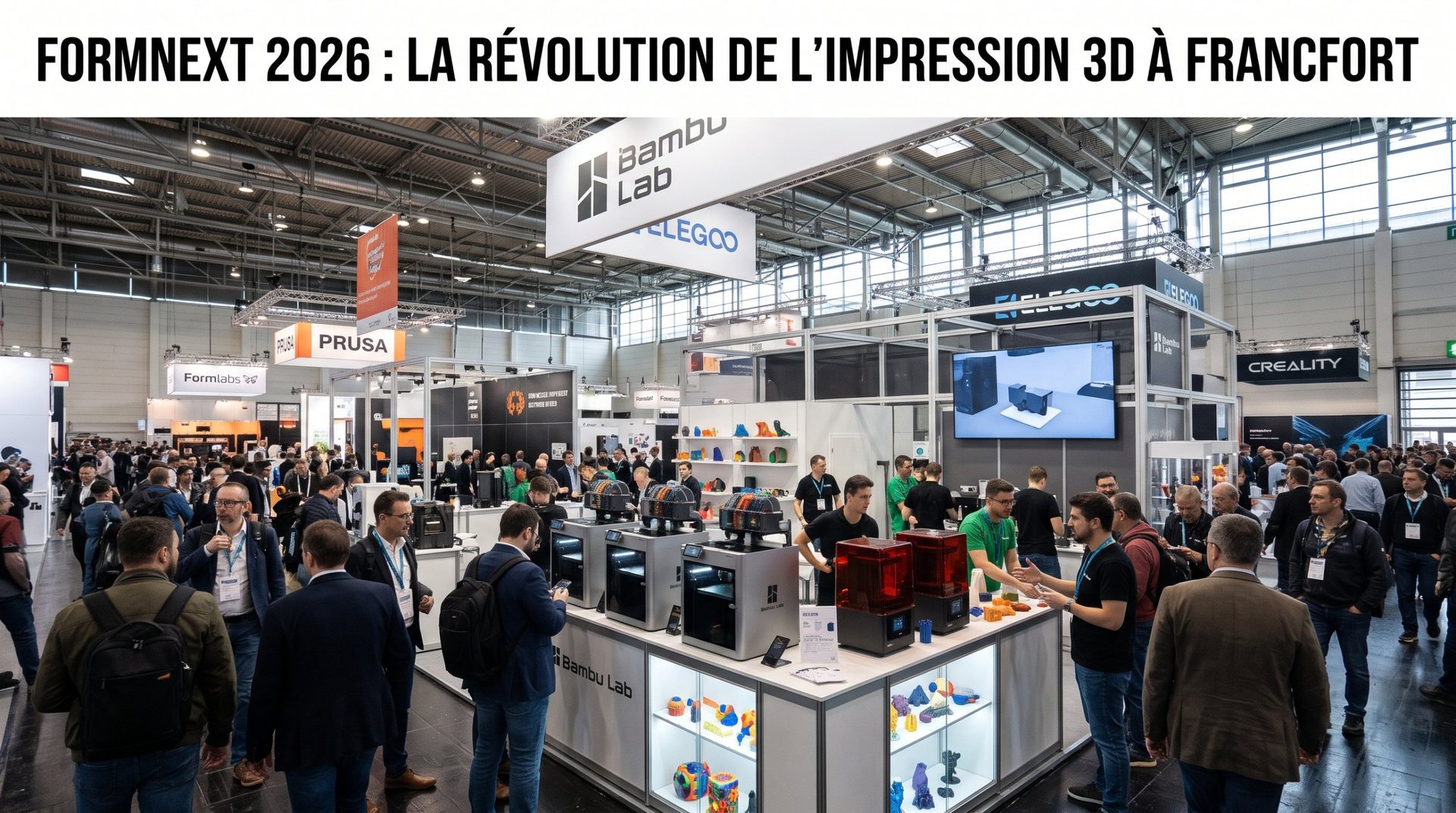 Formnext 2026: Desktop Toolchangers and the End of Multicolour Waste Steal the Show
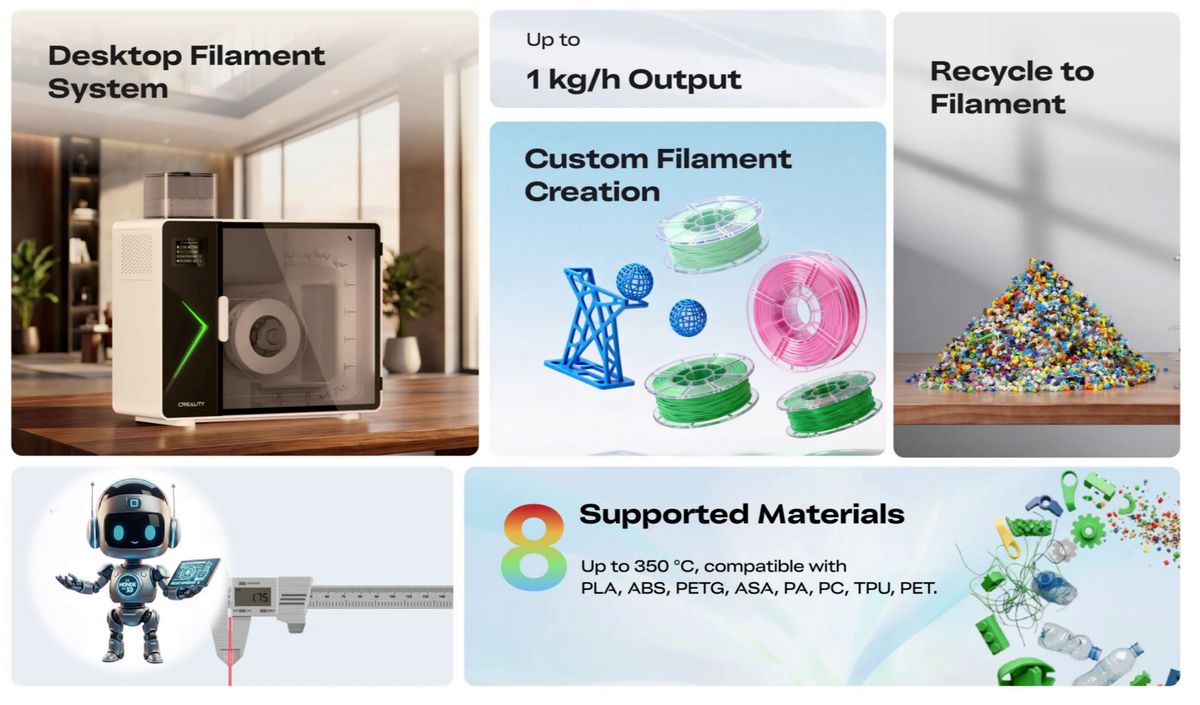 Creality Maker M1 & Shredder R1: Will the Future of 3D Printing Be 100% Recycled?
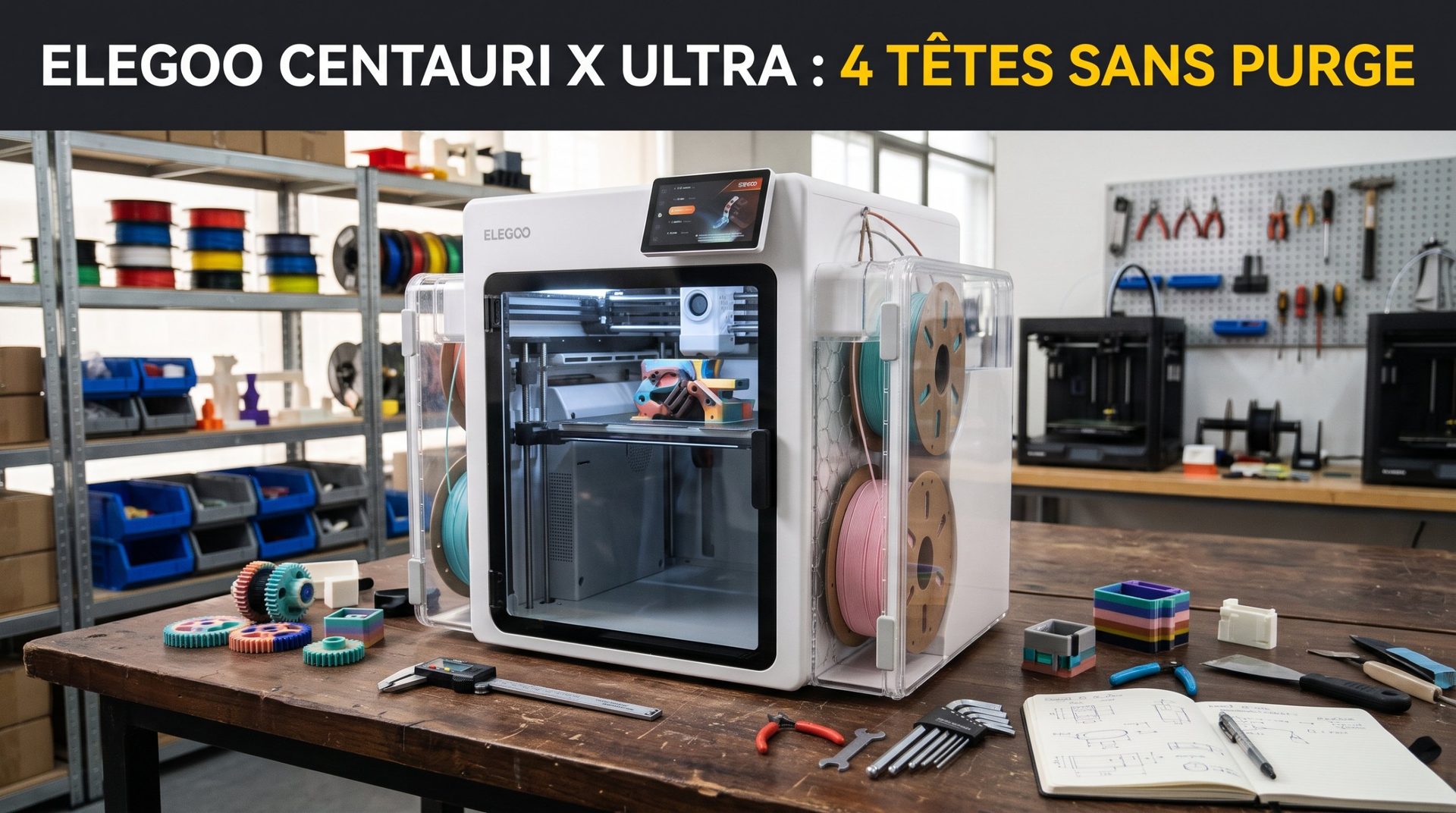 Elegoo Centauri X Ultra: 4 Independent Toolheads and Built-In Dryer Boxes to Bury Purging
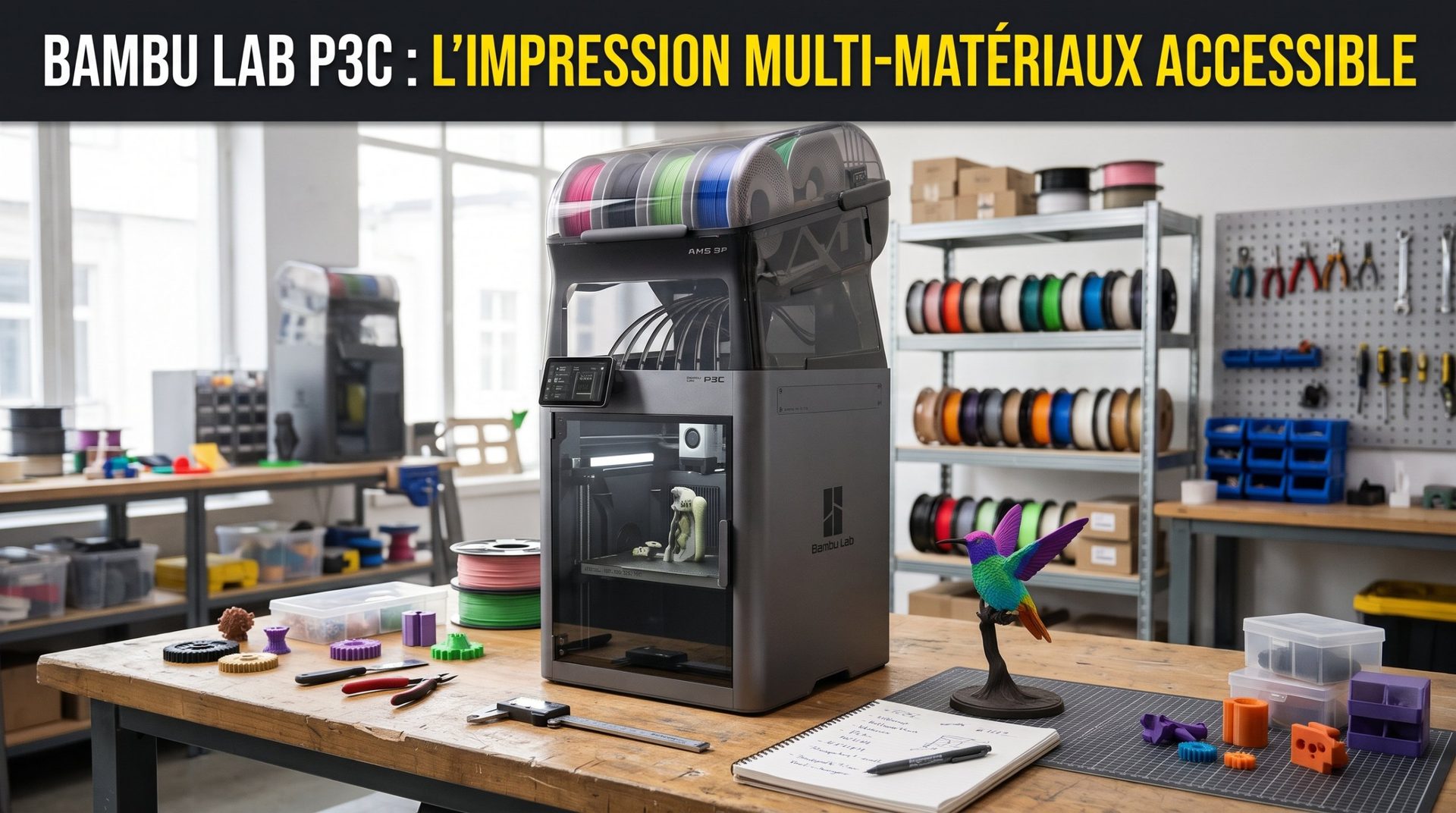 Bambu Lab P3C: The Tool Changer That Makes Multi-Material Printing Affordable