CNC vs. 3D Printing: Subtractive and Additive Manufacturing Showdown

In modern manufacturing, the choice between CNC machine tools (Computer Numerical Control) and 3D printers is crucial. While both transform a digital idea into a physical object, they represent two opposing production philosophies: subtractive versus additive manufacturing. They're more complementary than competitive, and the choice depends entirely on your project goals.

Fundamental Principles: Subtractive vs. Additive
Subtractive Manufacturing: CNC Control
CNC (Computer Numerical Control) encompasses all machines (mills, lathes, laser cutters) that create a part by removing material from a solid block.
- Principle: A cutting tool removes material until the final part is revealed.
- Strengths: Superior precision, mechanical strength, and surface finish.
Additive Manufacturing: 3D Printing
3D printing creates a part by adding material layer by layer (whether filament, resin, or metal powder).
- Principle: Material is deposited only where needed, according to the 3D file coordinates.
- Strengths: Design freedom, minimal waste, and rapid prototyping.
Detailed Comparison of Key Criteria

When to Choose One or the Other?
The final choice often comes down to the part's purpose and production volume.
Choose CNC if...
- Mass Production: You need a large number of identical parts (CNC becomes faster and cheaper per unit).
- Maximum Mechanical Strength: The part will be subjected to high stress (automotive, aerospace components).
- Specific Materials: You must use materials not yet printable in 3D (or too expensive), such as certain metal alloys.
- Critical Surface Finish: The part requires extremely low surface roughness for functional reasons (bearings, precision gears).
Choose 3D Printing if...
- Rapid Prototyping (Low Volume): You need quick iterations of a few unique pieces.
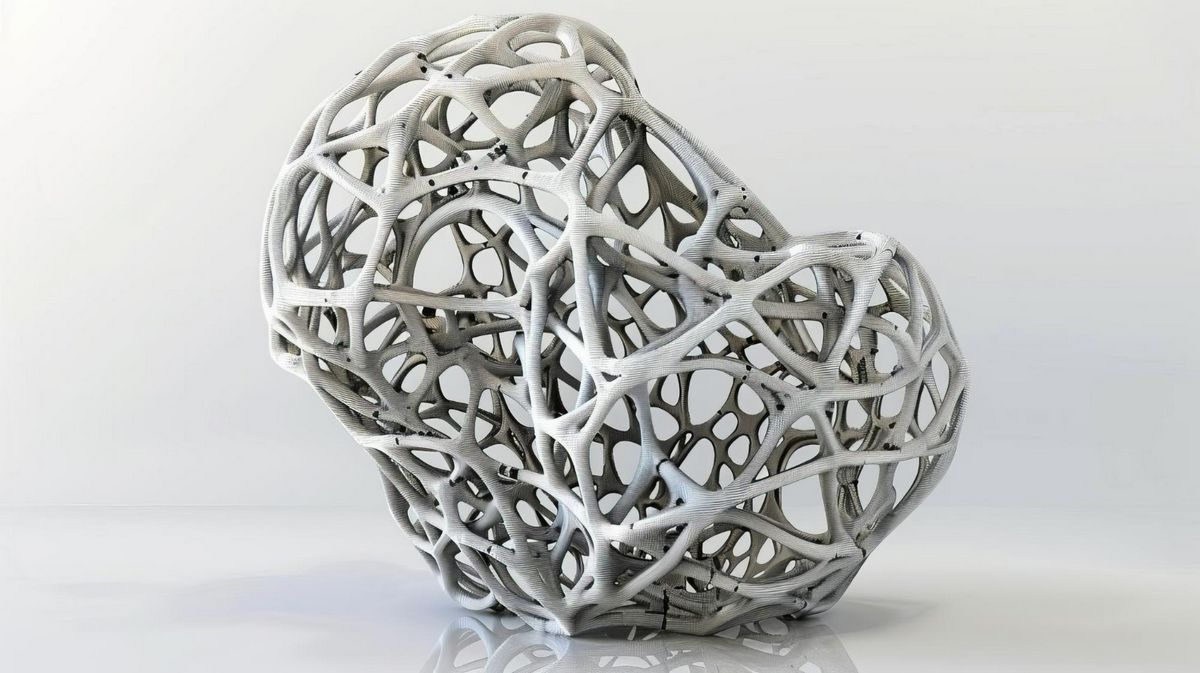
- Complex Geometry: The part is too complicated to machine (organic shapes, internal channels, assembled parts).
- Lightweight and Optimized: You want to use hollowed internal structures or lattice designs to minimize weight and waste.
In reality, the most advanced manufacturing systems often use a hybrid approach: print the part in 3D for its complex geometry, then use a CNC machine to mill and adjust critical surfaces (screw holes, bearing surfaces) to achieve the required final precision.