AI & Brainrot Content: The Era of Hyperstimulation
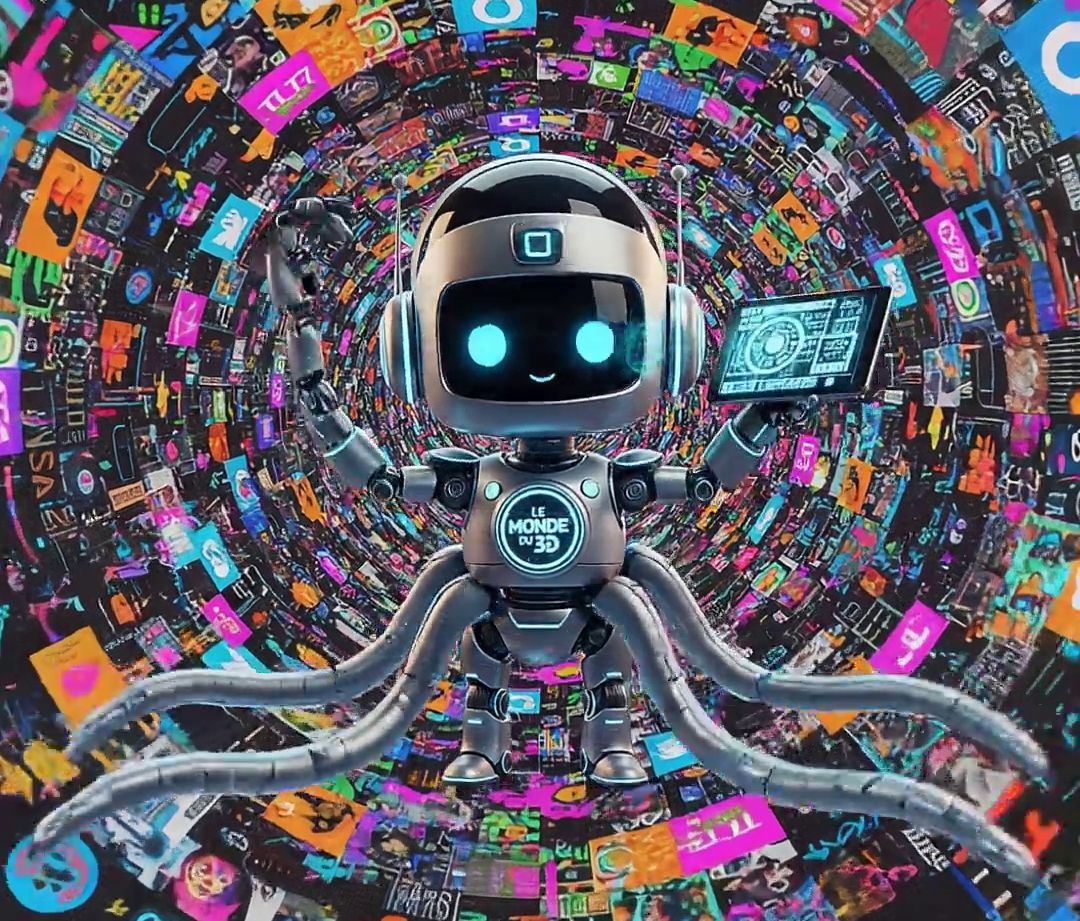
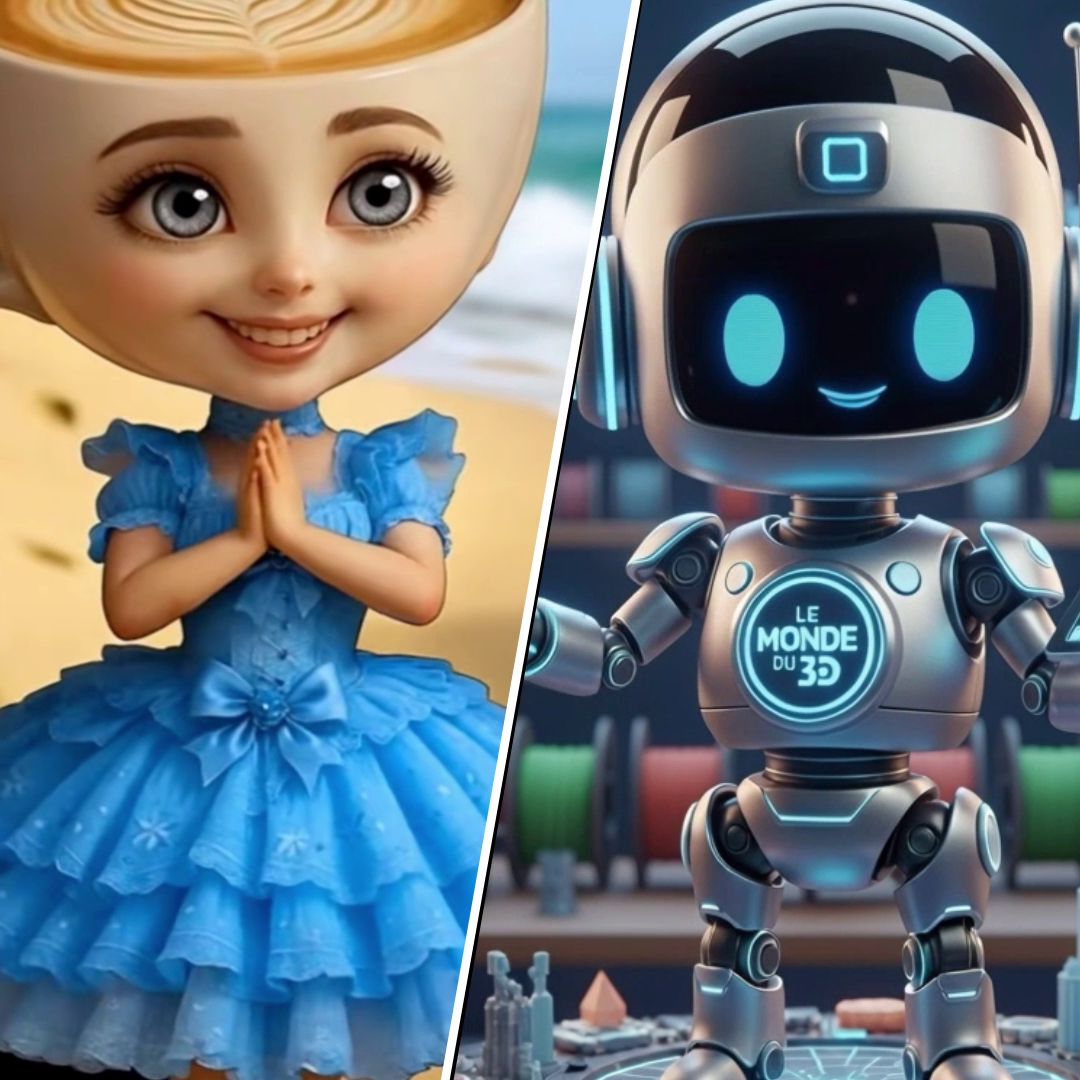
In today's digital landscape, we're witnessing an unprecedented shift in popular culture driven by what internet users now call "Brainrot". This term, evoking a kind of "brain decay" through hyperstimulation, no longer refers to isolated memes but rather a genuine aesthetic movement defined by absurdity, fragmentation, and extreme sensory saturation. Once the domain of human creators seeking to break the rules of traditional editing, this phenomenon has found in artificial intelligence its most powerful catalyst.
The emergence of generative models has radically transformed the game. Where surreal content once demanded creative and technical effort, AI now enables the mass production of visual and audio sequences that defy all narrative logic. By automating the bizarre and optimizing nonsense to captivate attention in a fraction of a second, AI doesn't just participate in Brainrot—it industrializes it.
What happens when the most sophisticated technological tool of our era is put in service of an aesthetic of emptiness and logical disconnection? Between technical feat and mental saturation, exploring this new digital continent forces us to redefine the boundaries between augmented creativity and pure distraction.

✅ The Infinite Content Machine
AI has transformed Brainrot content creation into an automated process. Where video editing once took hours, AI tools now enable:
-
Generating absurd scripts by combining viral keywords.
-
Creating instant voiceovers (often celebrity voices or robot text-to-speech).
-
Animating still images to create surreal situations that grab attention in under a second.
✅ Algorithm Optimization
Brainrot content isn't just absurd—it's mathematically optimized. Creators use AI to analyze what keeps users watching on TikTok or Reels. The result is often a "split-screen" video:
-
Top: A weird AI animation or meme.
-
Bottom: Mobile game footage (like "Parkour") to satisfy the need for constant visual stimulation.
✅ The Risks of Cognitive "Overheating"
The "Brainrot" label isn't harmless. Critics and some mental health experts worry about the impact of these AI-generated endless streams on:
-
Attention span: The chain of micro-stimulations reduces the capacity to focus on longer formats.
-
Desensitization: After consuming content engineered to shock or amuse instantly, the brain adapts to an intensity level hard to recreate in reality.
💡 Conclusion
AI is the fuel of Brainrot. While it enables unbridled and humorous creativity, it also raises questions about the quality of our "digital diet." Are we creating an ecosystem where the strange and artificial override meaning?
Ultimately, the real question lies in our ability to stay in control of algorithms designed to captivate our most primal instincts rather than our intellect.
So what do you think: is AI a new tool for unlimited creativity, or the engine of inevitable cognitive disconnection?