3D Printing Jobs and Employment Opportunities in 2026
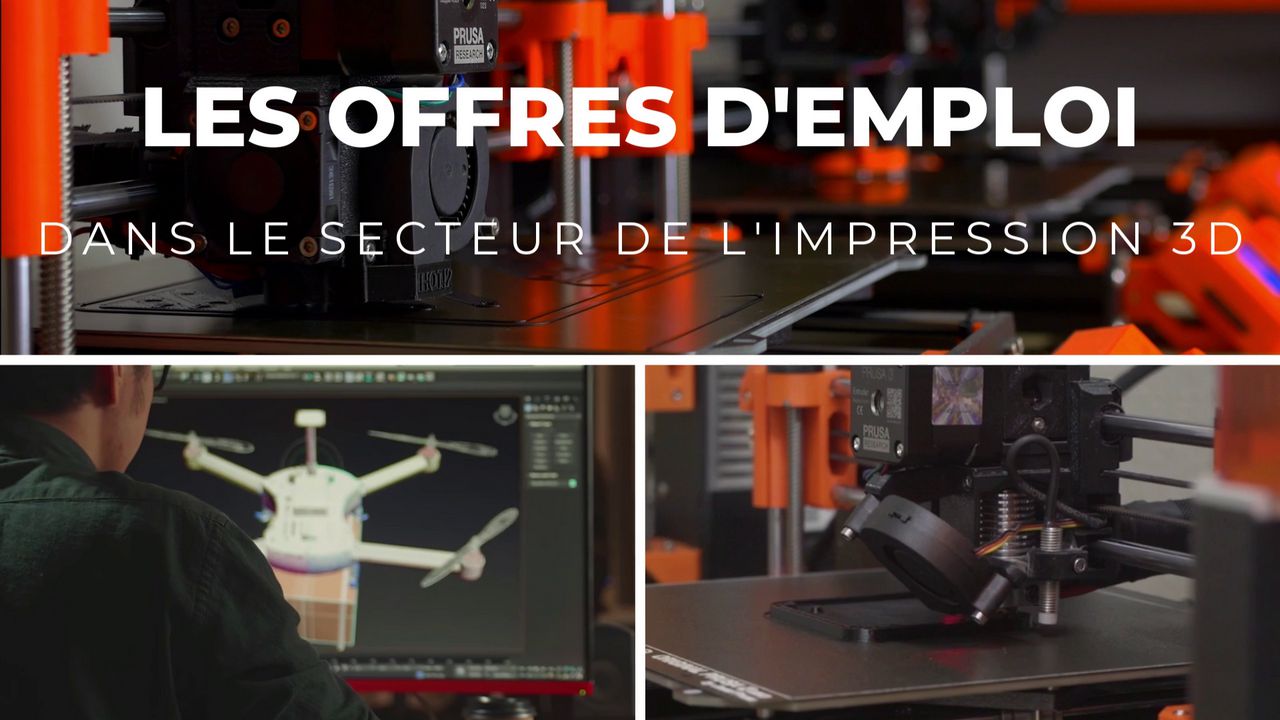
In 2026, the 3D printing sector (also known as additive manufacturing) is no longer a niche prototyping field, but a leading industrial engine. With a global market exceeding 15 billion dollars, employment opportunities are multiplying, driven by massive AI integration and new advanced materials.
Here's a comprehensive overview of job openings and hiring trends in the sector.

✅ Industries Hiring in 2026
The additive manufacturing market has reached full maturity. Whether saving lives, building houses, or repairing home appliances, job openings are multiplying. Here's the complete landscape of sectors seeking talent:
1. Healthcare and Dental (The Custom-Made Leader)
This is the most mature sector. It recruits digital prosthetists and bioprinting engineers.
-
Challenge: Printing personalized dental prosthetics, bone implants, and even custom living tissues.
2. Aerospace and Space (The Quest for Lightness)
A historic sector seeking materials engineers and certified operators.
-
Challenge: Producing lighter parts to reduce fuel consumption and manufacturing rocket components impossible to machine traditionally.
3. Energy and Nuclear (4.0 Maintenance)
Giants like Framatome are hiring WAAM process specialists (wire arc additive manufacturing).
-
Challenge: Printing massive replacement parts for power plants or offshore wind farms to avoid costly production shutdowns.
4. Luxury and Jewelry (Artistic Precision)
Major fashion and jewelry houses seek high-precision 3D modelers.
-
Challenge: Creating complex prototypes, foundry molds, or runway accessories with organic geometries.
5. Construction and Building (Large-Format Printing)
The construction industry recruits robotic construction supervisors and structural engineers.
-
Challenge: Printing concrete houses or bridges in record time while using 30% less material.
6. Food and Beverage (Food Printing)
An emerging sector seeking digital culinary designers and formulation engineers.
-
Challenge: Personalizing nutrition (hospitals) and creating innovative textures for plant-based meat alternatives.
7. Defense and Military (Logistical Sovereignty)
Armed forces hire reverse engineering experts and cybersecurity specialists.
-
Challenge: Manufacturing replacement parts directly in the field (ships, conflict zones) to stay operational.
8. Fashion and Textiles (Circular Economy)
The sector recruits soft material developers and footwear specialists.
-
Challenge: Producing sneakers or clothing on-demand, with zero inventory, perfectly tailored to customer anatomy.
9. Electronics (Smart Objects)
Sought-after roles include 3D circuit designers and conductive ink engineers.
-
Challenge: Integrating sensors and electrical circuits directly inside parts during printing (drones, IoT).
10. Retail, Sales, and Repair (Local Service)
This sector creates the most field jobs: aftermarket maintenance technicians and sales consultants.
-
Challenge: Fighting planned obsolescence by printing spare parts for the general public and maintaining consumer 3D printer fleets.
✅ Top 3 Most Sought-After Profiles
The job market is structured around three pillars of expertise:
A. R&D and Manufacturing Engineer
Their role is to transition from concept to mass production.
-
Responsibilities: Process simulation, material selection (polymers, metals, ceramics), and topology optimization.
-
Average Salary (2026): Between €40,000 and €55,000 annually depending on experience.
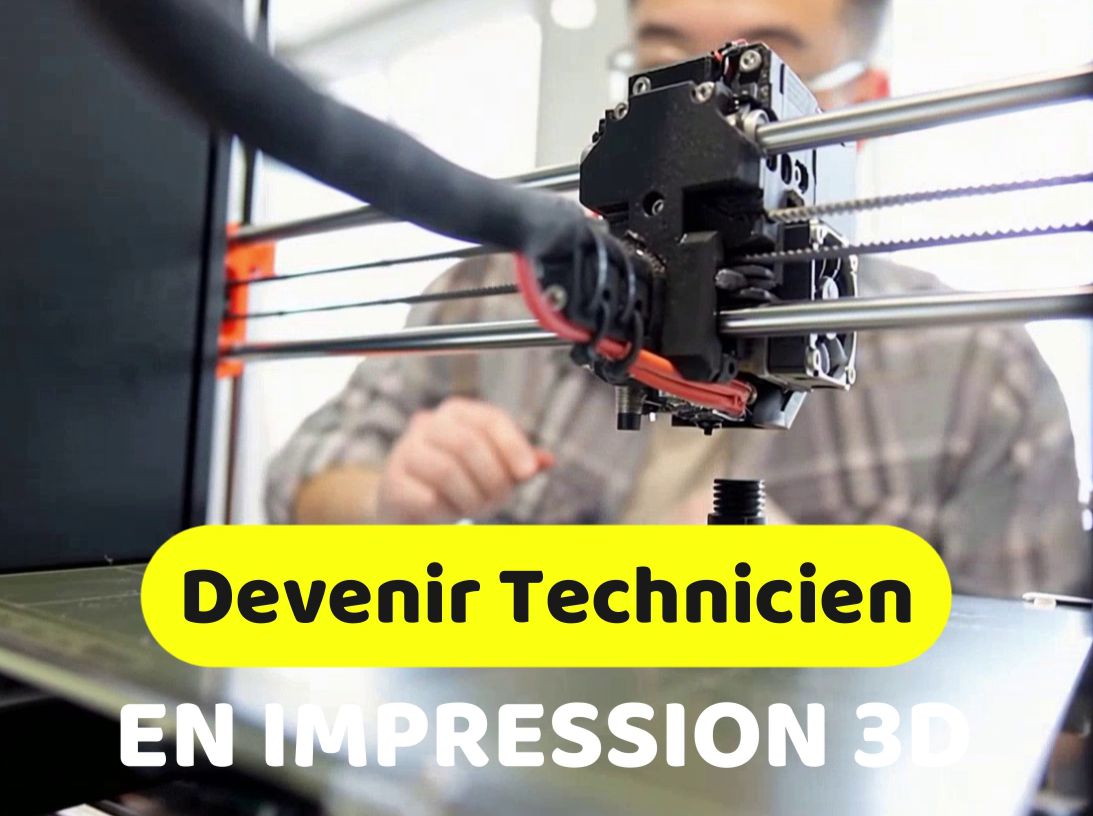
B. Maintenance and Aftermarket Technician
With machine fleets multiplying across companies, demand for field technicians is exploding.
-
Responsibilities: Installation, AI-assisted calibration, preventive maintenance, and troubleshooting FDM or resin systems.
-
Key Skill: Mastery of mechatronic systems.
C. Additive Manufacturing Operator
Field-focused profile, often coming from plastics or machining backgrounds.
-
Responsibilities: Starting prints, managing powders/filaments, and post-processing parts.
-
Sectors: Highly sought in aerospace and automotive temporary positions.
✅ Key Skills for 2026
To stand out, candidates must master more than simple "printing" today:
-
Software Proficiency: Beyond SolidWorks or Catia, knowledge of optimization software (generative design) is a major asset.
-
AI and Data: Ability to use real-time monitoring tools that correct printing defects via sensors.
-
Ecodesign: Use of biopolymers (PHA, lignin) and managing production scrap recycling.
✅ Where to Find Job Openings
1. General Job Boards (Precise Filters)
These platforms host the largest volume of listings. The trick is using the right keywords: "Additive Manufacturing", "3D Printing", "3D Design", or "L-PBF / FDM".
-
HelloWork: Essential for technical and regional profiles. Hundreds of listings for 3D/machining technicians and manufacturing engineers.
-
Indeed: Ideal for temporary positions (very common in aerospace at Roissy or Nantes) and start-up roles.
-
Apec: The gold standard for executives and engineers. Find roles like 3D Shop Manager or Materials R&D Engineer at major groups (Safran, Michelin, Airbus).
2. Specialized Industry and Tech Platforms
To target companies who speak your technical language:
-
L'Industrie Recrute (UIMM): The official site of the French Union of Industries and Metal Trades. Ideal for production roles (operators, 3D technicians).
-
Kicklox: A platform dedicated to engineers and tech talent. Highly effective for finding freelance missions or positions in innovative design firms.
-
Talents Arts et Métiers: If you're an engineer, the alumni job board (open to experts) is a goldmine for nuclear and energy sectors.
3. Trade Shows and Networking (Direct Recruitment)
In 2026, nothing beats direct contact to see machines and meet workshop managers:
-
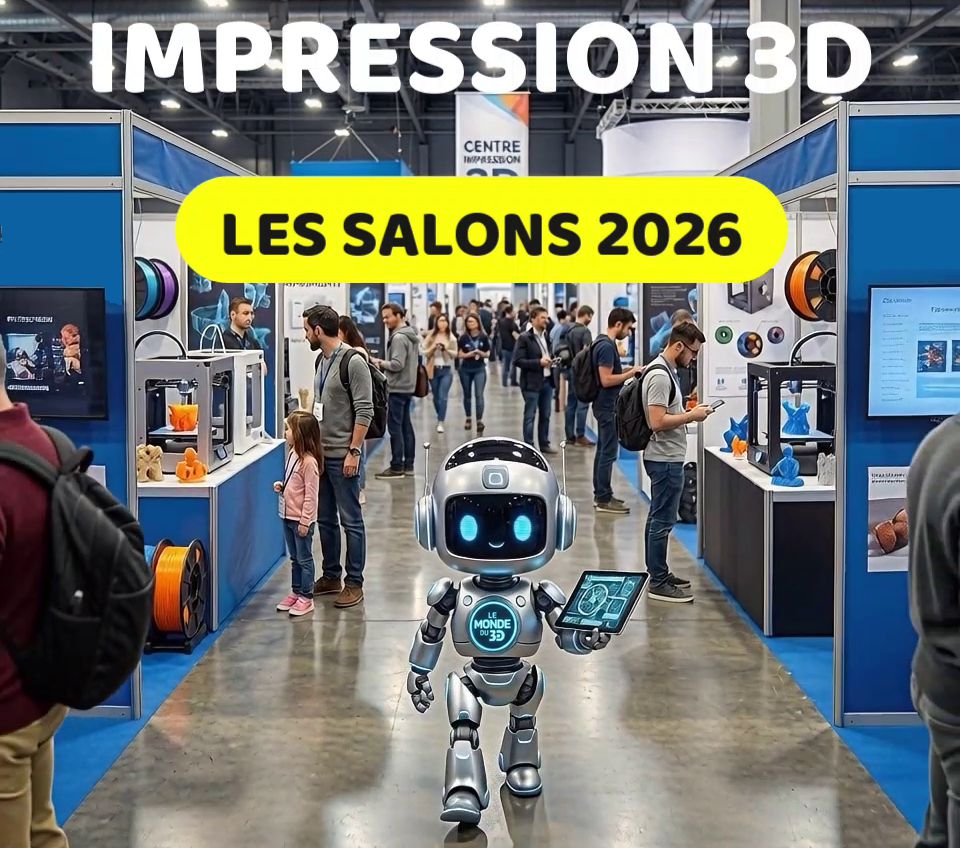
3D PRINT Congress & Exhibition (Lyon, June 2026): This is the annual rendezvous. Most exhibitors (machine builders, printing services) have immediate hiring needs.
-
Global Industrie (Paris, March 2026): A massive trade show with an entire pavilion dedicated to additive manufacturing.
-
Maker Faire Paris: More oriented toward "enthusiasts" and "local shops," it's the ideal place to network if targeting the Retail & Repair sector.
4. Targeted Direct Applications
Don't overlook the "Careers" pages of French leaders hiring constantly:
-
Energy Sector: Framatome (Romans-sur-Isère).
-
Defense Sector: Naval Group or MBDA.
-
Start-up Sector: Hidden gems like 3Deus Dynamics or Addimetal often seeking versatile profiles.
In 2026, 3D printing is no longer just a technical option—it's the heart of a new industrial revolution. Whether drawn to the surgical precision of healthcare, the monumental construction projects, or local shop services, opportunities abound.
Tomorrow's ideal candidate doesn't simply "start a print." The market now seeks hybrid profiles who can juggle AI-assisted software design, mastery of new materials, and a sharp awareness of ecodesign.
While the sector demands constant skill updates, it offers passionately rewarding careers at the crossroads of digital craftsmanship and cutting-edge technology. Additive manufacturing is ready—it just needs your talent to deliver on the promise.